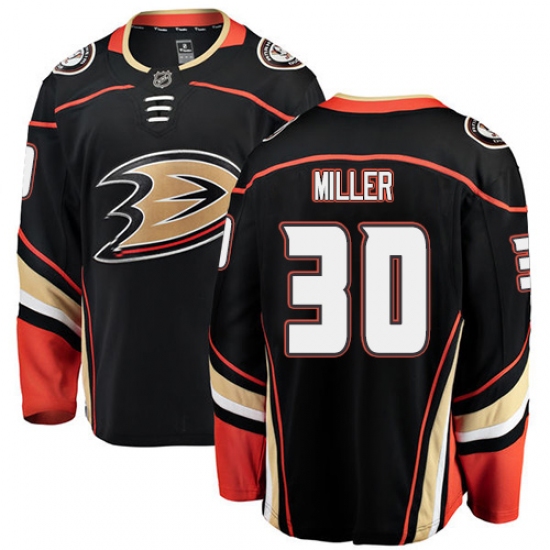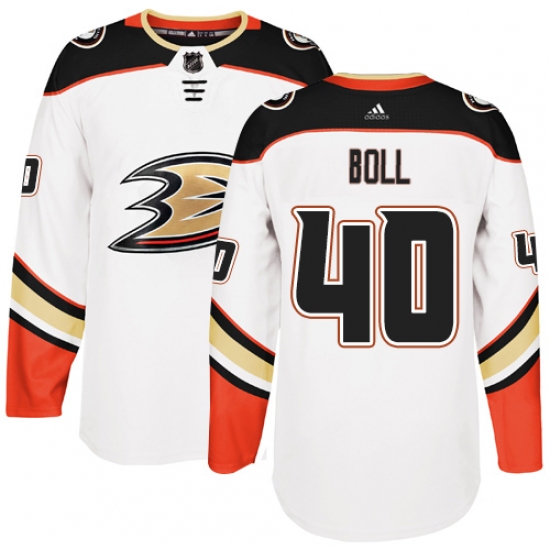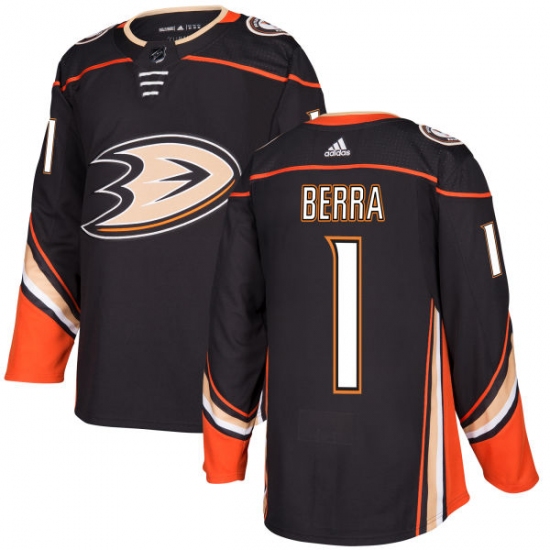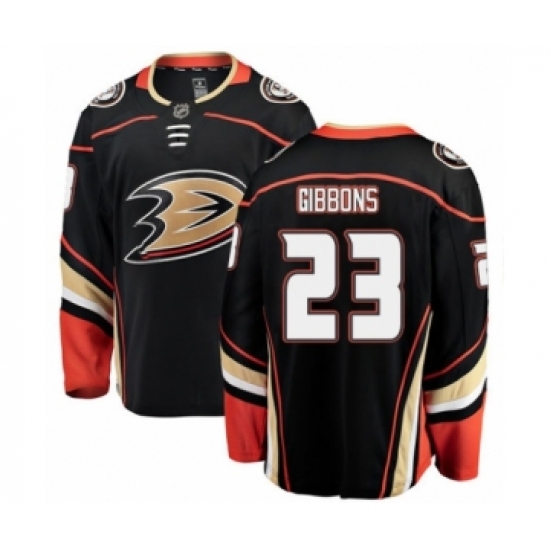
If you are sourcing inventory, the first number you need on the table is how much do NBA jerseys cost wholesale — and what that number actually buys you in fabric, stitching and delivery time. Most buyers learn the hard way that a $9 quote and a $19 quote are not the same product, and the cheap one usually shows up thin, crooked and two weeks late. This breakdown covers real tiered pricing, the material specs that justify each tier, and how to build a size run that sells through instead of sitting in your back room.
Let's start with the number everyone asks about. For stitched basketball jerseys sourced from a US-stocked wholesale supplier, realistic per-unit pricing at factory-direct tiers looks like this:
- 1–23 pieces: $24–$29 per unit (sample and small-team tier)
- 24–99 pieces: $18–$22 per unit
- 100–499 pieces: $14–$17 per unit
- 500–1,999 pieces: $11–$13.50 per unit
- 2,000+ pieces: $9.50–$11.50 per unit
Those numbers assume a stitched jersey with heat-sealed or sewn twill lettering, a full size run, and shipment from a US warehouse. They do not assume printed numbers on a paper-thin blank, which is where most $8 quotes come from.
Fabric weight is the single biggest cost driver, and it is also the spec buyers ask about least. A legit 100% breathable polyester mesh body in the 150–190 GSM range gives you the drape and airflow retail buyers expect from a basketball jersey. Sub-120 GSM blanks feel like a gym scrimmage pinnie and will come back as returns. If you also carry football inventory, note that NFL-grade product runs much heavier — 300 GSM heavyweight mesh — because pads sit underneath it. Do not let a supplier quote you one weight and ship another.
Number application is the second cost driver. Double-stitched Tackle Twill numbers use two layers of twill fabric sewn down with a tight stitch count, which is why they survive repeated washing and still look sharp after a full season. Single-layer heat transfer will crack at the flex points within 15–20 washes. If your retail customer is a league, a school or a booster club, stitched is the only spec that keeps them reordering. For buyers scaling a team program, cheap wholesale NBA jerseys at stitched grade is the tier where margin and durability actually coexist.
Inside the jersey matters too, and it is the fastest way to spot a low-quality supplier in a blind sample test. Run your hand along the inside of the shoulder and chest seams. A proper jersey has a soft interior backing over the stitch lines so the embroidery never scratches the wearer. Cheap builds skip it, and players complain about chafing after one practice.
Check the collar next. Reinforced collar bands with a double row of stitching keep the neckline from stretching out into a wavy oval after a dozen wears. Pull the collar gently in four directions on a sample — if it gives more than a half inch and does not snap back, the ribbing is underbuilt.
Also look for zigzag reinforced stitching at the armholes and side splits, and clean bartacks at the hem vents. These are small details that add pennies per unit at the factory and add years of wear life on the floor. A supplier who cuts them is not saving you money, they are moving your return rate up.
Printed versus stitched pricing usually differs by $3–$6 per unit at the 100-piece tier. That sounds like a lot when you are writing a purchase order, but do the math on returns: printed numbers that crack generate refunds, bad reviews and lost team accounts. Stitched costs more upfront and almost never comes back.
Size runs are where new resellers lose money. A standard NBA-style run should break down roughly as S 10%, M 20%, L 25%, XL 25%, 2XL 15%, 3XL 5%, with 4XL available on request for youth and adult league programs. If you are buying for schools, shift 20–30% of the order into youth sizing — youth L and XL move faster than adult 3XL in almost every market.
Ask for the supplier's size chart before you commit, and measure a sample against it. Chest width measured flat, body length from high point of shoulder, and armhole depth are the three numbers that matter. A supplier who cannot send a chart with real measurements has not controlled their production.
Minimum order quantities at the wholesale tier generally start at 10–24 pieces per style for stock designs and 50–100 pieces for custom names and numbers. Custom personalization typically adds $1.50–$3.50 per unit depending on whether it is a single-layer print or a sewn twill nameplate. Keep personalization inside the stitched spec so the whole order holds the same quality line.
US-based inventory is the part of the price that buyers undervalue most. Overseas direct shipping saves a few dollars per unit and costs you the season. A container that clears customs in five weeks is useless if your buyers need jerseys for a tournament in ten days. Domestic warehouses ship in 24–48 hours on stock styles and 5–7 business days on custom runs, which means you can reorder mid-season instead of guessing demand in July.
Run an incoming QC check on every bulk shipment, even from a supplier you trust. A practical AQL 2.5 inspection on a 200-piece order means pulling roughly 20 units and checking:
- Stitch density on numbers and nameplates — no loose threads or skipped stitches
- Color match against the approved swatch under daylight, not warehouse LEDs
- Collar and armhole symmetry, measured flat on both sides
- Size conformity against the chart, one unit per size minimum
- Inside seam finish — no exposed scratchy backing or raw edges
Photograph anything that fails and send it with the lot number. Suppliers who push back on documented defects are telling you something useful about your next order.
Care instructions protect your reorder rate more than any marketing copy. Tell your customers to wash stitched jerseys inside out in cold water, skip the fabric softener, and never put twill numbers in a hot dryer. Hang dry. Heat is what kills the stitch tension and curls the twill edges.
Margin math is straightforward once you know your landed cost. At a $14 unit cost on a 200-piece order, a $34.99 retail price gives you roughly 60% gross margin before shipping and payment fees. At $11 unit cost on 1,000 pieces, the same retail price pushes margin past 68%. That gap is the whole argument for buying deeper on your proven sellers and lighter on the long-tail team designs.
Timing your purchase order matters as much as the price. League seasons drive demand spikes in late summer and again in January for spring youth programs. Placing bulk orders 6–8 weeks ahead of those windows locks in stock-style pricing and avoids the rush surcharge that hits every supplier in September.
Negotiating the tier is simpler than most buyers think. Bundle multiple team designs into a single purchase order to hit the next quantity break, ask for the 500-piece price on a 400-piece order if you commit to a repeat within 60 days, and always confirm whether the quoted price includes the nameplate and number kit or bills them separately.
Q: What is the lowest realistic per-unit price on stitched NBA-style jerseys?
A: Around $9.50–$11.50 at 2,000+ pieces on stock designs. Below that, expect thinner mesh, printed numbers or a supplier who is quoting you a price they cannot hold on reorder.
Q: Can I mix teams and sizes in one bulk order?
A: Yes on stock styles. Most suppliers allow a mixed assortment across teams and sizes as long as the total order clears the MOQ. Custom names and numbers usually require a higher minimum per design.
Q: How long does a custom order take to ship within the US?
A: Stock styles ship in 24–48 hours. Custom stitched runs with names and numbers typically take 5–7 business days to produce and dispatch from a domestic warehouse, plus transit time.
Q: Do stitched jerseys really last longer than printed ones?
A: Yes, meaningfully. Double-stitched twill holds its shape through 50+ wash cycles, while heat-transfer print starts cracking around 15–20. For team and league accounts, stitched is the spec that prevents returns.
Ready to see the actual numbers on your size run? Head to shop the full NBA jersey catalog at www.cheapjerseyswholesaleus.com to check live tiered pricing, confirm current stock levels, and lock in a low-MOQ order with US warehouse dispatch. Bulk buyers get stair-stepped discounts, stitched-grade construction on every unit, and fast domestic shipping that keeps your shelves full through the entire season.