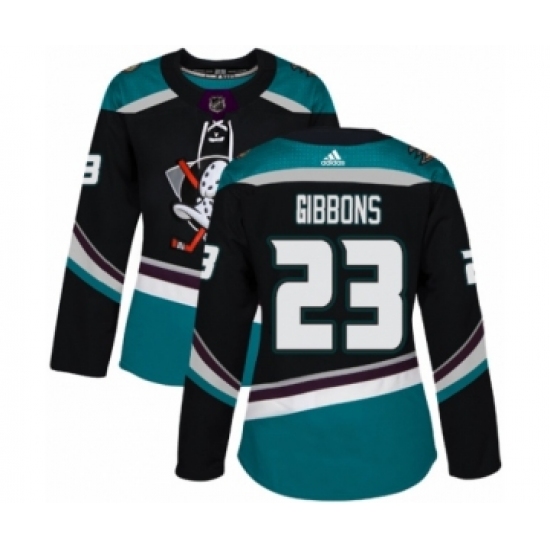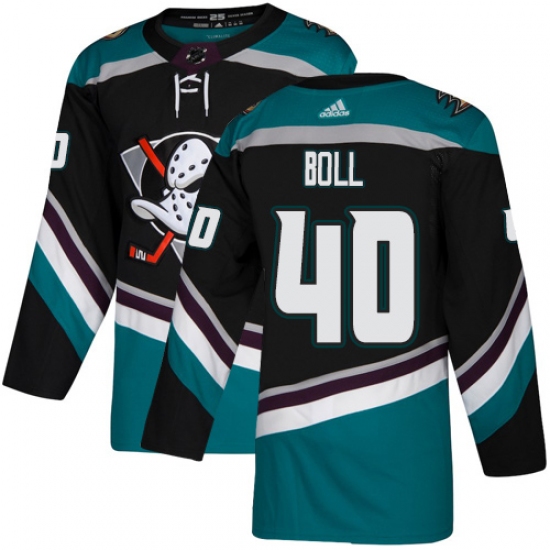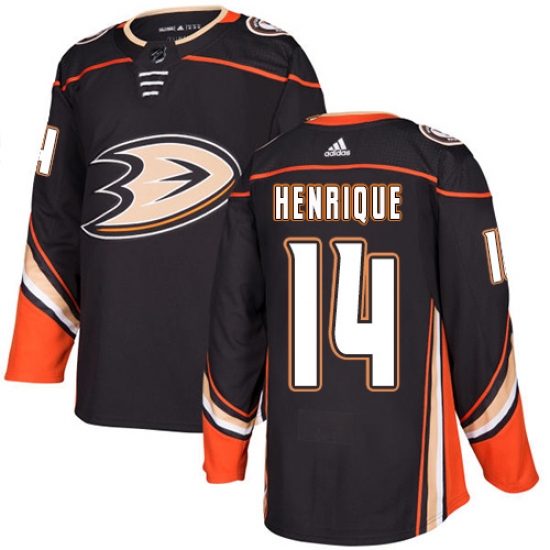
If you are pricing a team order or stocking a store, the first question is always how much do NBA jerseys cost wholesale — and the honest answer depends on construction, quantity, and where the goods ship from. Most resellers lose margin in two places: paying near-retail unit prices through a middleman, or chasing the cheapest quote and receiving thin mesh with loose threads and crooked numbers. This breakdown gives you real cost bands, the specs that justify them, and how to protect your spread on every reorder.
Start with construction, because it drives most of the unit price. A screen-printed replica and a fully stitched jersey are not the same product, and quoting them against each other is how buyers get talked into bad deals.
- Printed replica: roughly $7–$11 per unit at 100+ pieces
- Single-layer stitched twill: roughly $13–$18 per unit at 100+ pieces
- Double-stitched Tackle Twill numbers with twill nameplate: roughly $17–$24 per unit at 100+ pieces
- Custom with names and numbers, 12–50 pieces: roughly $22–$34 per unit
Those ranges assume domestic stock or a US-warehoused program, not a one-off overseas parcel with freight baked into a single unit. The gap between tiers is labor, not fabric. Stitching adds machine time, thread, backing material, and a quality checkpoint that printing simply does not need.
Fabric weight tells you fast whether a quote is real. Ask specifically for 100% breathable polyester mesh at 300 GSM. Anything under 220 GSM feels like a practice pinny, shows every crease, and pills after three washes. Heavyweight mesh holds its shape on a hanger, which is what moves product off a retail rack.
Stitch quality is the second test. On a legitimate stitched jersey, numbers are double-stitched Tackle Twill at 8–10 stitches per inch, with Z-stitch reinforcement at stress points like the armhole and side seam. Ask for photos of the reverse side. If the backing looks like a loose web of thread, the factory skipped the finishing step.
Comfort details separate resellers who get repeat orders from those who eat returns. Soft interior backing behind the numbers stops the stitching from scratching skin during play, and reinforced collar bands keep the neckline from stretching into a wave after a season of washing. Flatlock side seams and a taped shoulder seam are cheap additions at the factory and expensive problems when they are missing.
Landed cost is where domestic stock wins. An overseas container quote looks lower on paper until you add ocean freight, duties, port fees, and 30–45 days of cash sitting in transit. For a fall basketball league, a five-week delay means the uniforms arrive after the schedule is set. US-warehoused programs ship in days, so you can hold a smaller buffer and reorder against actual sell-through.
When buyers ask how much do NBA jerseys cost wholesale and expect a single number, the useful answer is a tier table. A typical structure drops 8–15% per break:
- 12–23 pieces: sample and small-team pricing
- 24–71 pieces: standard team order
- 72–143 pieces: league and multi-team pricing
- 144–499 pieces: store restock pricing
- 500+ pieces: distributor pricing with custom label options
Request the full break sheet before you commit to a quantity. Many buyers order 24 pieces when 72 would cost less per unit and cover their youth program too. Learn the wholesale NBA jersey cost structure and you can plan a season's inventory in one purchase instead of four.
Set an inspection standard before the first bulk order ships. A practical AQL 2.5 sampling plan with these checkpoints catches most problems:
- Number and lettering alignment measured against the center seam
- Stitch density spot-check on five random units per lot
- Collar stretch and recovery after ten cycles
- Colorfastness — no transfer when a damp white cloth is rubbed on the print
- Flat measurement tolerance of ±0.5 inch on chest and ±0.75 inch on length
Sizing discipline protects your return rate. Order one size set first, measure it flat, and compare to your existing stock before approving a run. Youth and adult sizing do not scale linearly, and a jersey that runs one size small across a 200-piece order becomes a customer service problem you cannot fix after the fact.
Packing matters more than most buyers expect. Polybag each unit, fold with the number facing up, and include a hangtag or barcode if you sell through a store or a marketplace. Distributors who receive flat-packed bulk without individual bags spend labor hours repackaging, and that labor is not in anyone's quoted price.
Payment and reorder terms are negotiable at volume. Ask for a deposit-and-balance structure on custom runs, net terms after three completed orders, and a 30-day price hold on stock colors. A supplier confident in its inventory will agree to a hold; one sourcing piecemeal will not.
Protect the goods once they arrive. Wash jerseys inside out in cold water, skip fabric softener, and hang dry instead of tumble drying. Never press an iron directly on twill — use a cloth barrier and low heat. These three habits cut cracking and peeling complaints dramatically, and fewer complaints means better margins on the same unit cost.
Margin math is simple once the spec is fixed. Buy stitched NBA jerseys at $17–$20, sell team-direct at $32–$38, and retail at $55–$70. A 72-piece order at $18 lands around $1,300 and returns roughly $2,400 at team pricing. That spread only holds if the stitching and fabric survive a season, which is why spec sheets and sample approvals matter more than a few cents per unit.
Compare quotes line by line, not at the total. Ask every supplier for fabric weight, stitch type, backing, collar construction, size tolerance, packing method, and ship-from location. A quote that cannot answer those five questions is not a comparable quote, no matter how low the number looks.
Q: What is the minimum order for custom NBA jerseys?
A: Most wholesale programs open custom runs at 12 pieces. Stitched work becomes cost-effective around 24–36 pieces because setup and thread changes spread across more units.
Q: How long does a bulk order take to ship in the US?
A: Stock team colors typically leave a US warehouse in 1–3 business days. Custom stitched runs generally need 7–14 days of production before dispatch.
Q: Are cheap wholesale jerseys stitched or printed?
A: Both exist at every price tier. Confirm the construction in writing — double-stitched Tackle Twill numbers cost more than heat-pressed print and should be priced accordingly.
Q: Can I mix teams and sizes in one order?
A: Yes, on stock programs. Mixed-team orders usually count toward the same quantity break, which is how league managers keep one invoice instead of twelve.
Ready to price a real order? Browse the full in-stock catalog at www.cheapjerseyswholesaleus.com to see tier pricing, low minimums starting at 12 pieces, and US-warehoused shipping that keeps your shelves full through the season. Request a quote with your team list and size run, and you will have unit costs, ship dates, and a sample approval path in one reply.