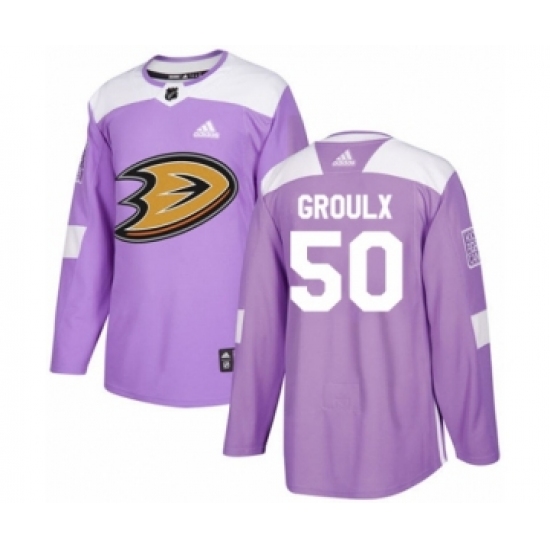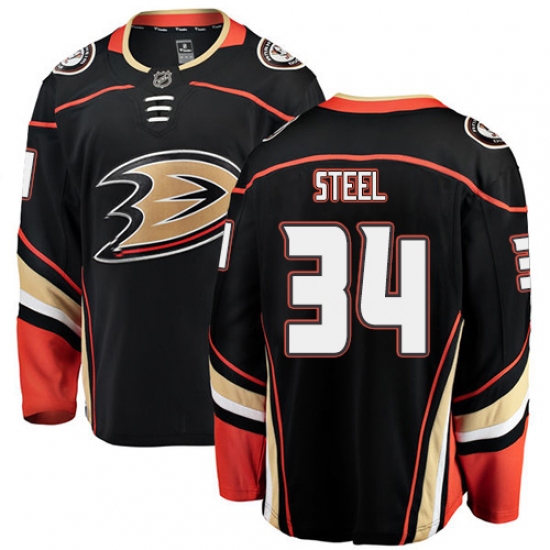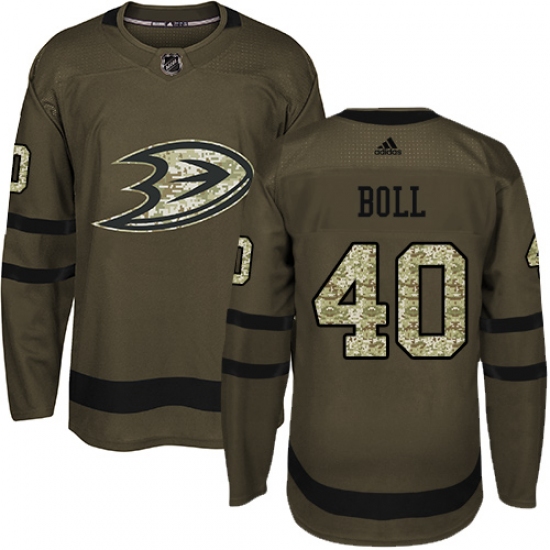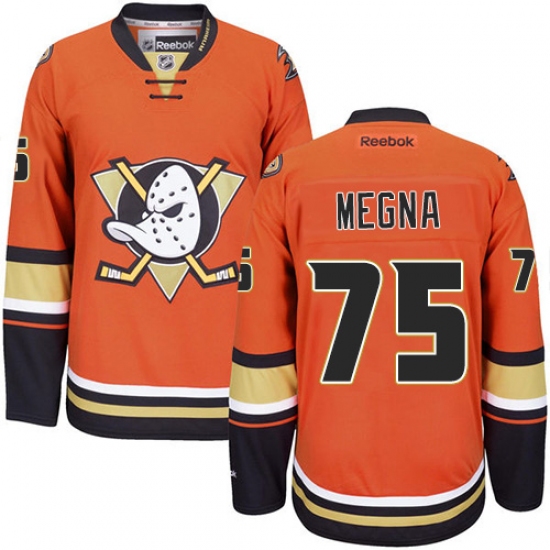
If you are sourcing custom football jerseys with names and numbers for a league, school, or retail program, the real challenge is not design—it is finding a supplier that keeps quality high and your landed cost low. Most bulk quotes look cheap until you add freight delays, weak stitching, and minimums that eat your cash flow. Buyers need a US-based wholesale source that can ship fast, hold consistent stock, and still protect retail margin. This guide breaks down the specs, inspection points, and buying tactics that separate a profitable bulk order from a pile of returns.
US-based wholesale changes the math. When your supplier holds inventory in the United States, you are not waiting on a slow overseas container or paying air freight to rescue a short order. You can test a size run, restock best sellers, and fill a late roster without blowing your delivery date. That speed matters most in August and September, when youth leagues, high school programs, and fan clubs all need jerseys at the same time.
The material spec should be non-negotiable. A real wholesale football jersey uses 100% breathable polyester mesh, often in a 300 GSM heavyweight mesh for better drape and durability. Lightweight fashion mesh may look fine in a photo, but it snags, clings, and shows every wrinkle under stadium lights. Ask for the fabric weight in writing before you approve a bulk purchase.
Stitching is where cheap jerseys usually fall apart. For names and numbers, insist on double-stitched Tackle Twill rather than heat-pressed vinyl. Tackle Twill gives you clean edges, strong color contrast, and a professional look that holds up through repeated washing. The stitching should be tight, straight, and consistent around every number, letter, and nameplate.
Look inside the jersey before you judge the outside. A quality supplier adds soft interior backing behind the numbers so the stitching does not scratch the player’s skin. The collar should have reinforced collar bands, and the armholes and hem should use Z-stitch reinforcement at stress points. These details cost pennies at the factory level, but they decide whether a jersey survives a full season or comes back as a complaint.
Custom names and numbers are not just decoration; they are a production process. A reliable supplier will ask for a roster file with exact spelling, number assignments, font choice, and size per player. Confirm the font thickness, number height, and color code before production. If a supplier says they can “just match it” without a proof, that is a warning sign for misspelled names and mismatched colors.
Bulk buyers should also understand the difference between stock blanks and fully custom builds. Stock blanks with sewn names and numbers are faster and cheaper for small league orders. Fully custom builds make sense when you need a specific colorway, sleeve trim, or logo placement. The best wholesale programs offer both, so you can start with a low MOQ and scale into a larger custom run.
When you compare custom football jerseys with names and numbers from a US supplier, do not stop at the unit price. Add the cost of freight, customs, short-ship replacements, and the labor spent chasing missing sizes. A slightly higher sticker price with domestic stock and consistent sizing is often the cheaper option on a landed-cost basis.
Size runs are a major profit lever. Most bulk orders need a mix of youth and adult sizes, and the wrong ratio leaves you with too many 3XL jerseys and not enough mediums. Use a simple roster count or historical sell-through report to build your size curve. For youth leagues, collect sizes during registration and add a 5% buffer for late sign-ups and replacements.
Quality control should happen before the order ships, not after your customers open the boxes. A practical inspection checklist includes stitch density around numbers, thread color match, mesh weight, collar symmetry, sleeve length tolerance, and name spelling. Pull 10% of the order at random and measure flat across the chest and body length. If the measurements drift, the whole batch will fit differently.
- Stitch check: no loose threads, skipped stitches, or puckering around Tackle Twill.
- Spelling check: every player name and number matches the approved roster.
- Fabric check: mesh weight and hand feel match the approved sample.
- Size check: chest and body length stay within your tolerance range.
- Backing check: interior soft backing covers the stitching and does not peel.
Low MOQ matters for resellers and league managers who cannot tie up cash in 500 units. A good wholesale program lets you start with a small batch, test demand, and reorder fast. That is how you build a jersey business without guessing. Ask about tier pricing at 24, 72, and 144 units, and confirm whether the price break applies to mixed sizes and mixed names.
Packaging and labels also affect resale. If you sell to teams or retail, poly-bag each jersey, include size stickers, and keep names grouped by roster. Some buyers need hangtags or custom labels for a team store. Ask whether those options are available before you place the bulk order, because adding them later usually costs more and slows production.
Care instructions protect your margin after the sale. Tell your buyers to wash stitched football jerseys inside out in cold water, use a mild detergent, and skip the dryer. Heat is the enemy of mesh, vinyl, and thread. Hang dry the jersey and keep irons away from the numbers. If a customer ignores those steps, even a well-made jersey can crack, shrink, or fade.
Peak-season planning is another expert habit. Football buying spikes before the season, and the best sizes sell out first. Place your core reorder before the rush, keep a small reserve of blank stock, and lock in your customization slot early. A supplier with US warehouse stock can help you fill gaps, but no warehouse can fix a last-minute order for 200 uniquely named jerseys.
Wholesale pricing should be transparent. You need a clear per-unit price, setup fee if any, customization charge, and shipping cost. Avoid suppliers who hide fees in “rush” charges or quote a price that only applies to one color and one size. A professional quote lists the garment, the decoration method, the size range, and the delivery timeline.
For repeat buyers, build a reorder file. Keep the roster, font, color codes, and size curve on file so the next order matches the first. This reduces errors and speeds up production. It also makes it easier to add a few jerseys mid-season without paying a new setup fee or waiting for a fresh proof.
If you sell to fan clubs or retail customers, focus on the details they notice first: collar shape, sleeve trim, number alignment, and color depth. A jersey that photographs well but feels thin will generate returns. A jersey with strong mesh, clean stitching, and a soft interior backing builds repeat business, even at a low wholesale price.
Start with a sample or small test order if you are switching suppliers. Compare the sample against your current best seller for weight, stitch quality, and fit. Wash it once and inspect the numbers and seams. That small test costs far less than a bulk order full of jerseys you cannot sell.
Q: What is the typical MOQ for custom football jerseys with names and numbers? A: Many US wholesale programs start at 24 units for stock blanks with sewn names and numbers. Fully custom builds may require 72 to 144 units. Always confirm whether mixed sizes count toward the minimum.
Q: Are stitched names and numbers better than printed ones? A: Yes for durability and resale value. Double-stitched Tackle Twill holds color and shape through repeated washing. Printed vinyl is cheaper upfront but can crack, peel, and look flat under lights.
Q: How do I check jersey quality before a bulk order? A: Order a sample, wash it once, and inspect the stitching, backing, collar, and size measurements. For bulk production, pull a random 10% and check spelling, stitch density, and flat measurements against the approved sample.
Q: Can I mix sizes and names in one bulk order? A: Most wholesale suppliers allow mixed size runs and individual names, but pricing tiers may vary. Ask for a written quote that separates garment cost, customization, and shipping so you can compare landed cost.
Ready to protect your margin with a supplier that understands bulk football orders? Go to www.cheapjerseyswholesaleus.com to see current stock, low MOQ options, and tier pricing for teams and resellers. When you need fast US dispatch and consistent quality, shop the full NFL jersey catalog and lock in your order before the season rush.