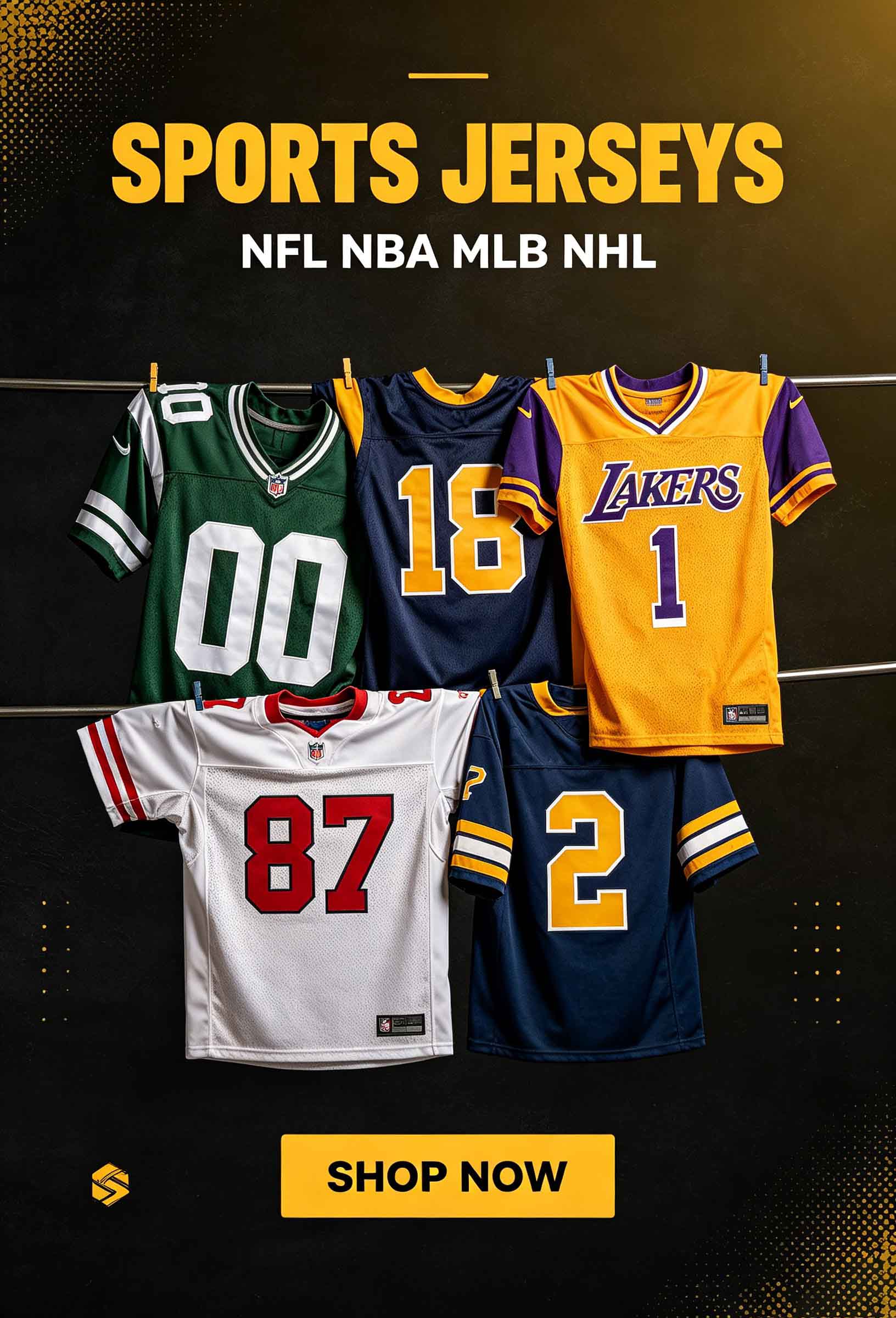
When people ask me about NFL flag jerseys, I usually start with a confession: I own more of them than actual NFL jerseys. That's partly because I coach a youth flag team, and partly because they're just easier to wear. No shoulder pads, no stiff tackle twill digging into your neck. Just mesh, a number, and enough room to move.
I didn't fully get the appeal until I borrowed a spare jersey on a muddy Saturday morning. It was a reversible Chiefs colorway, one side red, one side white. I threw it on over a hoodie, and suddenly I understood why NFL Flag Jerseys: The Reversible Hack for Fans Who Hate Bulky Gear isn't just a catchy phrase. It's a pretty accurate description.
But not all flag jerseys are built the same. You've got official NFL FLAG gear, team-themed replicas, and custom rec-league jerseys that just happen to use NFL colors. The fit and fabric can be wildly different. So before you grab the first one that catches your eye, here's what I've learned from wearing, washing, and occasionally ruining them.
Reversible or single-sided? That's the first fork in the road. Reversible jerseys give you two teams in one, which is great for pickup games and travel bags. The downside is heat. A double-layer jersey traps more air, and if the inner seams are scratchy, you'll feel every one. Single-sided mesh jerseys are lighter and breathe better, but you're stuck with one color. If you live somewhere humid, I'd lean single-sided.
Sizing is where most people mess up. Youth sizes run small, and adult sizes run boxy. A youth XL is not an adult small. I learned that the hard way when I ordered a youth XL for myself and ended up looking like I was wearing a crop top. Measure your chest, not your height. And check the length. A hem that hangs too low can snag on flag belts or bunch up when you run.
- If you're between sizes, size up for kids who are still growing.
- For adults, stay true to size unless you plan to layer over a hoodie.
- Women often go one size down from men's sizing for a closer fit.
- Reversible jerseys can feel tighter because of the extra layer, so read the chart twice.
Fabric matters more than people think. Most flag jerseys are polyester mesh or some kind of moisture-wicking blend. That's good for heat, but cheap mesh can feel like sandpaper. Look for a smooth inner lining if you have sensitive skin. Screen-printed numbers are lighter and cheaper. Stitched twill looks sharper and lasts longer, but it's heavier and can rub against your collarbone. For flag football, I usually prefer printed numbers. They don't catch on things.
Care is simple, but easy to screw up. Wash cold, inside out, and skip the fabric softener. Softener clogs the mesh and kills the moisture-wicking finish. Hang dry if you can. If you must use a dryer, go low. I've cracked a printed number by ignoring that advice, and it looked like a spiderweb after one season.
Now, what should you actually put on your back? If you're buying for a kid, pick their favorite team colors first. Players get traded. Team loyalty usually lasts longer. Patrick Mahomes, Josh Allen, Jalen Hurts, and Justin Jefferson have been popular picks for years, but a generic number in team colors is timeless. For adults, I'd argue a throwback or a simple team-color jersey looks better than a random player name. It's less likely to feel dated in two years.
Styling them is half the fun. I wear mine with joggers and sneakers for tailgates, or over bike shorts when I'm actually playing. Don't tuck it in unless you want to look like a ref. A fitted cap and a light jacket over the top works in fall. And yes, you can absolutely wear one to a watch party. Just don't expect it to replace a real tackle jersey for autograph sessions or framed displays.
If you're giving one as a gift, go up a size for kids and choose a team rather than a player. Custom nameplates are fun, but they're personal and usually final sale. That's a risky move if you're not sure about the spelling. Trust me, I've seen "Mahomies" on a jersey before. It was adorable, but not returnable.
At the end of the day, NFL flag jerseys are the laid-back cousins of the jerseys you see in stadiums. They're made for running, sweating, and looking like you might actually catch a pass. Get the fit right, pick a fabric you can live in, and don't baby it. The more you wear it, the better it feels.