Dallas Cowboys jerseys wholesale only makes money when the garment survives a full season of retail wear. Too many buyers chase a $9 unit from overseas trading groups, then discover crooked star patches, single-stitched numbers peeling off by week three, and a container stuck at port while the season opener comes and goes. That gap between advertised price and real landed cost is where reseller profit dies.
We built our operation around the opposite model: hold stitched NFL inventory in US warehouses, quote a landed price that stays flat, and ship bulk orders in 24 to 48 hours. No customs clearance, no six-week freight gamble, no surprise duties eating your margin after you already quoted your customer.
Here is what actually matters when you stock Cowboys merch at volume, from fabric weight to inspection checkpoints to the price breaks that decide whether you clear 2x or 4x on each unit.
Fabric weight is the first filter. A lot of "cheap" football jerseys on the market run 180 to 220 GSM mesh. They feel like tissue paper, they show every wrinkle under store lighting, and customers return them. The Cowboys navy and silver colorways look noticeably different on a heavier knit — the navy reads deeper, the silver-gray pops instead of going flat.
Our stock runs 300 GSM heavyweight mesh built from 100% breathable polyester mesh. Same construction used in on-field replicas. It moves air, holds shape after washing, and hangs properly on a hanger so the jersey sells itself on a rack.
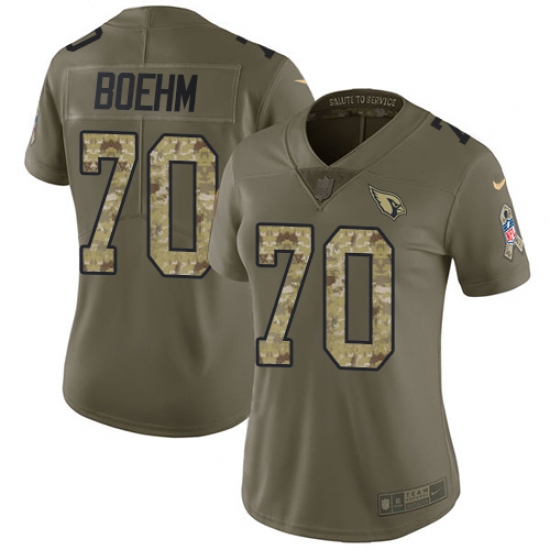
Stitching is the second filter, and it is where most low-cost suppliers cut. Printed numbers are fine for a $20 youth replica. They are not fine for a $85 retail jersey, and they will not survive contact with a dryer. Every Cowboys jersey in our program uses double-stitched Tackle Twill numbers — layered twill panels, zigzag edge stitching, bar-tacked at every stress point.
- Tackle Twill numbers and nameplate: two-layer twill, 8 to 10 stitches per inch
- Reinforced collar bands: ribbed knit, double row of stitching at the neck seam
- Soft interior backing: prevents twill thread from scratching skin or catching on underlayers
- Z-stitch bar tacks at shoulder yoke and side vents
- Elastic sleeve hems with a clean finished edge, no raw serging
Those five details are what separate a jersey that gets reordered from one that gets returned. Ask any supplier for a physical sample and check the interior side of the chest. If you can feel loose thread tails or rough twill backing against the skin, the factory skipped the soft interior backing step. That is a cost shortcut, and your customers will find it.
Color accuracy on the star logo matters more than people admit. The Cowboys star is a simple shape, which makes poor embroidery obvious. Look for dense satin stitching with no visible bobbin thread on the front face, sharp points on all five tips, and a consistent border width around the outline. Off-brand versions lose the points, or the blue shifts toward purple after a few washes.
We specify color-fast thread and pre-shrunk mesh on every production run, so the navy stays navy and the white stays white through a full season of wear and repeated cold washing. That consistency is what lets you sell the same SKU for three years without customers complaining about a color mismatch between restocks.
Now the pricing question every buyer asks: what should stitched Cowboys jerseys cost at wholesale? Depends entirely on where the inventory sits.
- Overseas direct, unstitched or printed: $8 to $14 per unit, 30 to 45 day lead time
- Overseas direct, stitched twill: $16 to $24 per unit, plus freight and duties
- US warehouse stock, stitched twill: $18 to $27 per unit landed, ships in 24 to 48 hours
- Retail velocity on a $27 unit: typically $65 to $95 in a team shop or online store
The math is simple. Paying three or four dollars more per unit for domestic stock buys you a shorter cash cycle, no customs risk, and the ability to restock mid-season when a team goes on a run. When you are moving 200 units a month, that flexibility is worth more than the per-unit savings from a slow boat.
Bulk tier breaks work like this. Our typical structure starts at 12 units, then steps down at 36, 100, and 500. At the 100-unit mark most buyers see a meaningful drop per piece, and at 500 units the per-unit landed cost gets close to importing direct — without the freight exposure.
Mix-and-match is allowed within the tier. You do not have to buy 100 of one size. Load up on L and XL, pull in a handful of 2XL and 3XL, and add a few youth sizes if your market skews toward families. Sizes S through 3XL are standard stock; 4XL and 5XL are available on request with a slightly longer lead time.
Sizing trips up more first-time buyers than pricing does. Football jerseys run loose by design. A men's L measures roughly 23 inches across the chest, pit to pit, and about 31 inches from high point shoulder to hem. Do not guess — pull the actual measurement on your first order and compare it against what your customers already buy.
- Measure chest one inch below the armhole, flat, seam to seam
- Measure body length from the highest shoulder point straight down to the hem
- Allow a two-inch tolerance on mesh — it relaxes slightly after the first wash
- Order one unit per size as a fit sample before committing to a 200-piece buy
If you are stocking youth programs, note that youth sizing scales down about 15 percent per step and youth XL is closer to an adult S than an adult M. Send us your target measurements and we will confirm before the order ships.
Inspect your first bulk shipment properly. A casual look at the top three jerseys in a carton tells you nothing. Pull random units from the bottom layers and run a short checklist.
- Side seams straight and flat, no puckering at the hem
- Numbers centered between the shoulder seams, level with each other
- Nameplate letter spacing even, no overlapping stitching
- Star logo points sharp, dense coverage, no loose threads on the reverse
- Collar band even width front and back, no twisting
- Pull-test every twill patch with moderate hand pressure
- Weigh one unit — a 300 GSM mesh jersey should feel substantial for its size
Reject rate above three percent on any of these points means the run needs to go back. That is a conversation to have with your supplier before you list the product, not after the returns start piling up.
Care instructions you should hand your retail customers. Stitched jerseys are durable, but heat is what kills twill. Print this on a small card and include it with every order — it cuts returns significantly.
- Wash cold, inside out, on a gentle cycle
- No bleach, no fabric softener
- Hang dry or tumble on low heat only
- Never iron directly over the numbers — use a pressing cloth on low
- Turn inside out before storing to protect the front logo
Buyers who pass this along get fewer complaints about cracked numbers and faded navy. It also extends the product life, which sounds counterintuitive until you realize repeat customers buy more than one jersey.
For buyers ready to lock in stock before the next season window, the full Dallas inventory sits in the dallas cowboys jerseys wholesale category alongside the rest of our stitched NFL program. Every listing shows current stock depth, available sizes, and the active tier price.
How much do stitched NFL jerseys cost at wholesale? Realistic landed pricing for a properly stitched twill jersey sits between $18 and $27 per unit in US warehouse stock, depending on tier and size mix. Anything advertised far below $15 with genuine double-stitched tackle twill should be verified with a physical sample — the fabric weight and interior backing usually reveal the shortcut.
How do I spot a fake or low-grade jersey before ordering in bulk? Check the interior chest for exposed rough backing, weigh the unit for mesh density, and inspect the embroidery density on the front logo. Single-stitched or heat-pressed numbers are the clearest signal that a supplier substituted construction to hit a low quote.
What is the minimum order to get tier pricing? Our first price break starts at 12 units, with deeper discounts at 36, 100, and 500 pieces. Sizes can be mixed freely within a tier, and reorders keep the same tier price once you have an account history.
How fast do bulk orders ship inside the US? In-stock items leave the warehouse in 24 to 48 hours via standard ground. Most domestic buyers see delivery in three to five business days, which means you can restock after a weekend sales spike without losing the following week.
The margin is there if your cost structure is right. Domestic stock removes the freight gamble, stitched twill removes the return problem, and tier pricing gives you room to compete on price without giving away your profit. Check current availability, request a fit sample, and confirm your size breakdown before the season rush hits. Browse the full stitched NFL jersey catalog at www.cheapjerseyswholesaleus.com for live stock counts, tier pricing, and low minimum opening orders with same-week US dispatch.