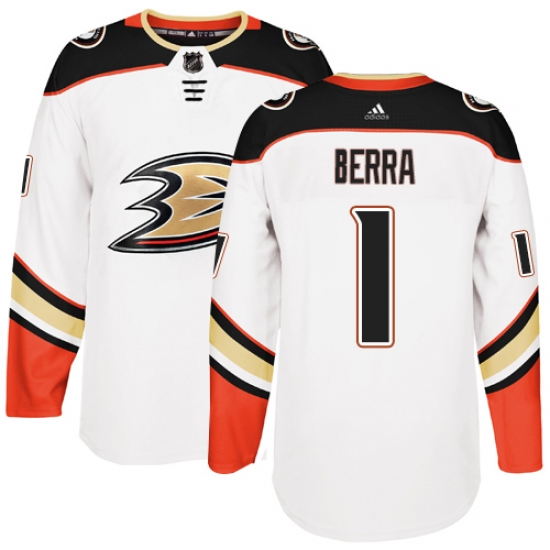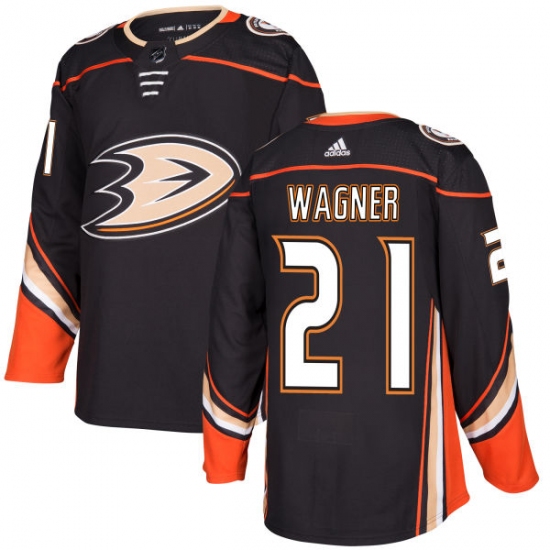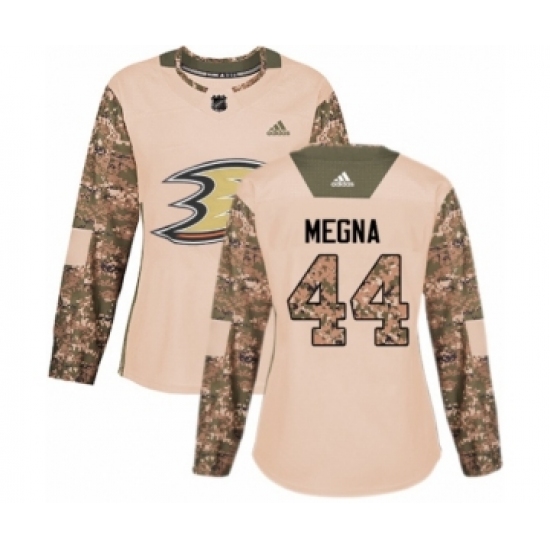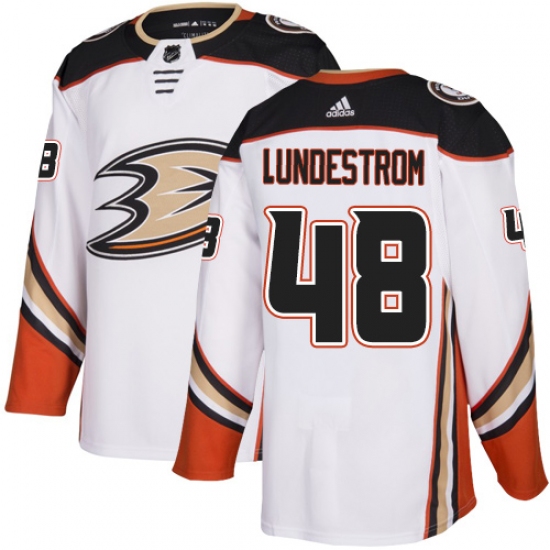
Choosing between stitched vs printed baseball jerseys is the first decision that sets your landed cost, your return rate, and your margin for the whole season. Resellers who get this wrong at the order stage end up with a pallet of thin, cracking product they can't move at a fair retail price. The gap between a $9 printed replica and a $22 double-stitched tackle twill jersey is not just decoration — it decides which buyers come back next spring.
Here is what actually separates the two builds, what your customers notice within 30 seconds, and how to buy either one at a wholesale cost that leaves room for 2.5x to 4x markup.
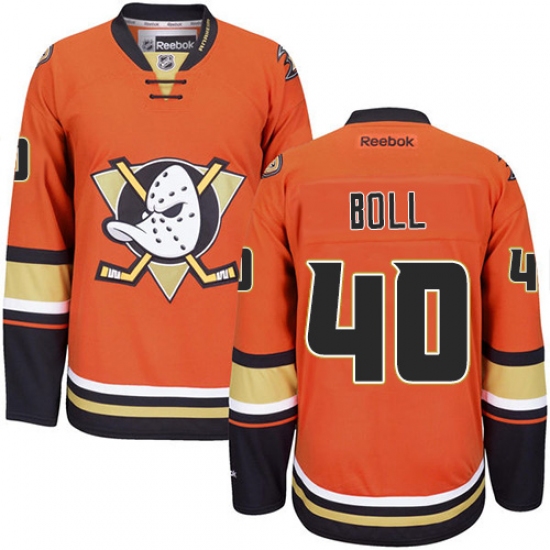
A stitched baseball jersey uses separate pieces of tackle twill cut to shape and sewn onto the body fabric. The lettering, numbers, and front logo are physical layers, attached with dense zigzag edge stitching and double-stitched seams at every stress point. If you pull on the number, the fabric moves with it — nothing peels because nothing is glued.
A printed jersey pushes ink or heat-transfer film into or onto the mesh. Sublimation dyes the polyester itself, so the graphic never flakes, but the surface feels flat and the colors sit slightly duller under direct light. Heat-pressed vinyl looks sharp on day one and lifts at the corners after roughly 15 to 20 washes with heat exposure.
The cost gap is real but smaller than most buyers assume. Printing saves labor, not fabric — the mesh body still costs the same to knit and cut. A printed jersey might land at $6.50 to $9 per unit in bulk, while a properly stitched version runs $18 to $26. That $10 difference is what you charge an extra $35 to $50 for at retail.
Fabric weight is where cheap suppliers hide their shortcuts. Ask for 100% breathable polyester mesh at a minimum of 280 to 300 GSM. Anything under 240 GSM goes transparent when backlit, clings badly in humidity, and tears at the shoulder seam during a slide. Heavyweight mesh holds its shape through a full summer season of games and washes.
Use this checklist when you request samples from any supplier:
- Double-stitched Tackle Twill numbers with clean edge coverage — no loose threads along the curve of a 4 or a 2.
- Soft interior backing behind every twill layer, so the stitching never scratches a player's chest or back.
- Reinforced collar bands that keep their shape after 30 wash cycles instead of rolling or stretching out.
- Z-stitch reinforcement at the placket, armholes, and side vents — the three spots that fail first.
- Even, straight button placket with no puckering between buttons.
- Colorfastness that survives chlorine and hard water without bleeding into the white piping.
Interior backing is the detail buyers never ask about until a customer complains. A thin fusible interfacing sheet behind the twill is the difference between a jersey a kid will wear all season and one that comes back with a skin irritation note. Request a sample, turn it inside out, and run a thumb across the backing. It should feel like soft knit, not stiff paper.
Collar construction matters just as much. A cheap ribbed collar relaxes and flares after two months. A reinforced band with a stabilizing strip inside holds a clean V or crew shape for years, which is exactly what team managers care about when they're outfitting 20 players at once and need them to look uniform in photos.
The other half of the value equation is where the goods ship from. Overseas factory-direct sounds cheaper until you add 25 to 40 days of ocean transit, customs clearance, and a restock cycle you can't compress when a league calls mid-season. Domestic US warehouses turn orders in 1 to 3 business days, which lets you accept late-season reorders that overseas sellers simply cannot handle.
That speed changes your business model. You can hold less inventory, react to what's actually selling, and take on small restocks that a container buyer has to decline. For resellers and league buyers, we stock stitched MLB jerseys in bulk in multiple size runs so a mid-season top-up doesn't turn into a six-week gamble.
Minimum order quantities are where new B2B buyers lose negotiating room. A supplier asking for 300 units per style forces you to guess your size curve before you have a single retail data point. Look for volume tiers that start lower and reward growth:
- 12–35 units: entry tier for new resellers and single-team orders.
- 36–143 units: 8% to 12% off list, free domestic shipping.
- 144+ units (case pricing): deepest discount, mixed sizes allowed within one style.
- 500+ units: custom colorways and private-label tagging quoted per order.
Run the math before you commit. If a stitched jersey lands at $21 with a case discount and sells at $74.99 retail, that's roughly $54 gross per unit before marketplace fees. Even after 13% in fees and $6 shipping, you keep about $38. Sell 200 units a year and you're looking at more than $7,500 from one style — which is why the $4 difference between a good supplier and a cheap one rarely decides anything.
Quality control is your last line of defense. Never approve a bulk run from photos alone. Pull a random sample of at least 10% from the cartons and check four things:
- Stitch density — count roughly 8 to 10 stitches per inch on twill edges; fewer means peeling risk.
- Size accuracy — lay the jersey flat and measure chest width and body length against the spec sheet, not against another jersey.
- Color match — compare two units from different cartons side by side under daylight, not warehouse lighting.
- Trim pass — clip count of loose threads and inspect the inside of the collar for exposed stitching.
Sizing trips up more wholesale buyers than quality does. A size chart from a legitimate supplier gives chest width, body length, and sleeve length per size, plus a youth-to-adult conversion. Stitched jerseys tend to run slightly larger than printed ones because the twill adds structure, so a printed medium customer often fits a stitched small. Always publish your own measurements with photos rather than copying a big-box chart.
Shoulder width is the measurement buyers forget, and it's the one that causes returns on linemen builds or older players. Ask for a garment laid flat with sleeves extended, measured armpit to armpit. That single number, paired with body length, resolves about 80% of sizing disputes before they happen.
Customization is where the margin improves fast. Names and numbers sewn in twill add a few dollars per unit and let you charge retail prices for a semi-custom product. Heat-pressed names run cheaper and faster, but for anything a team will wear more than a dozen times, sewn is the only version that survives a season. Confirm the font height, number thickness, and nameplate arc before production — those three specs cause nearly every redo.
Care instructions protect your reputation after the sale. Tell your customers to wash stitched jerseys inside out in cold water on a gentle cycle, skip the bleach and fabric softener, and hang dry instead of tumble drying. Heat is what cracks printed numbers and shrinks polyester. For wrinkles, a steamer or a low iron over a cotton towel works fine — never press an iron directly onto twill or vinyl.
If you source from a marketplace reseller instead of a wholesale supplier, spot-check the details that fakes always miss. Real stitched jerseys have a jock tag sewn at the hem, a league or brand tag inside the collar with consistent typography, and twill that sits flat with no bubbling underneath. If the numbers feel stiff as cardboard or the stitching wanders off the edge, walk away.
Timing matters more than most buyers expect. Team and league orders cluster in early spring and late summer, and domestic stock on popular sizes clears fast. Placing your core order four to six weeks ahead of your selling window gets you first pick on size runs; waiting until demand shows up means paying for air freight or settling for the leftovers.
Q: Is stitched always better than printed for resale?
Not always. Stitched wins on premium retail, team uniforms, and anything worn repeatedly. Printed wins on youth giveaways, practice gear, and price-sensitive volume where a lower unit cost drives the decision.
Q: What fabric are quality wholesale baseball jerseys made of?
Look for 100% breathable polyester mesh in the 280–300 GSM range, with twill appliqué for numbers and letters. Heavier mesh resists transparency and holds its shape longer than lightweight knits.
Q: How fast do US-warehouse wholesale orders ship?
In-stock orders typically leave the warehouse in 1 to 3 business days and arrive domestically within 2 to 5 days, depending on the destination. That's the practical advantage over 25–40 day ocean freight.
Q: Can I mix sizes inside a case order to hit the discount tier?
Yes. Most tiered pricing allows mixed adult and youth sizes within a single style, which keeps your size curve realistic instead of forcing you into a full run of one size.
If you're ready to stop guessing on cost and start buying at numbers that support real retail margins, review the live stock and tier pricing at www.cheapjerseyswholesaleus.com. Low MOQ entry, case-level discounts, and US-based dispatch mean your next order ships in days, not weeks. Shop the full baseball jersey catalog and lock in your season pricing today.