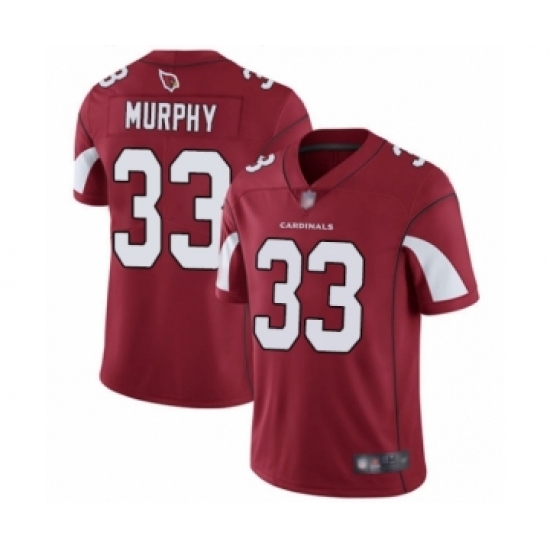
Knowing how to spot a fake NFL jersey is the difference between a clean 2x markup and a rack of returns you eat at your own cost. Resellers who buy from a cheap jerseys wholesale US warehouse learn the tells fast, because the legit product and the garbage can look identical in a supplier photo. The problems show up in the hand: paper-thin mesh, glued-on numbers, collars that curl, and stitching that pulls apart after two washes. This guide covers the physical checks, the bulk inspection standards, and the wholesale math that keeps your inventory clean and profitable.
Start with fabric weight. A real stitched NFL jersey body uses 100% breathable polyester mesh in the 280–320 GSM range. Pinch the fabric between your thumb and index finger; if you can read newsprint through it, it will not survive a season of tailgating. Heavyweight mesh also holds shape after washing, which is what keeps the shoulder seams from sagging on a hanger.
Next, look at the numbers and nameplate. Double-stitched Tackle Twill numbers have visible twill layers and a satin-stitch border with roughly 8–12 stitches per inch. Fake jerseys use a single printed layer or heat-pressed vinyl that feels slick and slightly raised at the edges. Run a fingernail along a number edge: twill gives a crisp fabric ridge, vinyl gives a soft plastic lip.
Turn the jersey inside out. A quality build has a soft interior backing behind the numbers so the embroidery thread does not scratch the chest or snag on a base layer. Cheap builds skip this step entirely, and you will feel stiff thread knots against your palm. That single detail is the fastest fake detector in a wholesale lot, and it takes about four seconds per unit.
Check the collar and armhole trim. Reinforced collar bands with a double row of stitching keep the neck opening from stretching into a wavy shape. Grab the collar and pull it gently in opposite directions. If the band ripples or the stitching gaps, the whole lot will come back to you as "fits weird" complaints from retail buyers.
Then inspect the stress points. Look for Z-stitch reinforcement at the shoulder yoke, side seam vents, and the base of the number pattern. Those bar-tack style stitches stop a small tear from running. Mass-market knockoffs usually stitch straight through with no lock at the ends, which is exactly where a jersey fails first.
- Weight test: 280–320 GSM mesh, opaque under light
- Number test: layered Tackle Twill, satin-stitch border visible from the back
- Interior test: soft backing cloth behind every embroidered element
- Collar test: double-stitched band that springs back flat
- Thread test: no loose tails longer than 3 mm, no skipped stitches
- Color test: wipe a damp white cloth across a dark panel — no dye transfer
Smell matters more than people admit. Screen-printed and heat-pressed knockoffs carry a chemical ink odor that lingers for weeks. Stitched jerseys from a real factory smell like clean fabric, maybe with a light starch note from packaging. If a sample box hits you with solvent fumes, that inventory will get flagged in reviews and you will lose repeat buyers.
Price is a signal, not proof. Wholesale NFL jerseys land in the $14–$28 range per unit depending on tier, size mix, and whether names and numbers are sewn. Anything quoted under $9 stitched is either printed and mislabeled, or made from a mesh so thin it fails the opacity check. Test one sample before you commit to 200 pieces; a $22 sample saves a $4,000 mistake.
For bulk buyers, run a 10% spot check on every incoming lot. Pull units across all sizes, not just the top of the carton. Measure chest width flat, verify number height against spec, and count stitches on one number per unit. Log the results. When you reorder eight weeks later, you have a baseline to hold the factory to instead of guessing.
Sizing is where resellers lose the most money on returns. Most NFL replica cuts run true to standard men's sizing with a relaxed shoulder, and youth sizing usually maps two full sizes below adult. Keep a printed NFL jersey size chart taped to your packing table, and check chest measurement in inches rather than trusting S/M/L labels. A size-mix order of 20% youth, 60% adult standard, and 20% extended moves fastest in most US markets.
Care instructions are a sales tool, not just a service note. Tell buyers to wash stitched jerseys inside out in cold water, skip the dryer, and never iron directly on the twill. Heat is what cracks printed numbers and dulls embroidery thread. A hang-dry habit keeps the mesh from pilling and keeps your product looking new through a full playoff run.
Sourcing domestically changes the math on speed. Overseas direct shipments run 18–35 days by sea or 7–14 days by air with customs risk, which means a missed playoff window and dead inventory. US warehouse stock ships in 1–3 business days, so a league manager ordering 120 pieces on a Tuesday has them before Sunday. That speed is worth real money when a team clinches a spot and demand spikes overnight.
Resellers who source premium builds at low unit cost find a cleaner path to margin when they buy cheap stitched NFL jerseys from a warehouse that already rejects the thin-mesh lots. You skip the sample roulette, get consistent specs across reorders, and hold a retail price point that still undercuts the fan shop by 40–55%.
Watch the tiered pricing structure closely. Most wholesale suppliers break pricing at 25, 50, 100, and 250 units, with the sharpest drop usually between the 50 and 100 mark. If you move 60 units a month, order 100 and split shipments rather than paying the 25-unit rate twice. Freight per unit falls hard once you clear the second tier.
Track your margin per size, not per order. Extended sizes cost more to produce and often move slower, so pricing them at the same retail number as standard sizes quietly eats profit. A simple fix: keep standard sizes at your headline price and add $4–$6 on 3XL and up. Buyers expect it, and it protects your blended margin.
Finally, keep a written spec sheet on file for every SKU you carry. Fabric weight, stitch density, number height, collar construction, and packing method. It takes twenty minutes to build and it ends every argument with a factory about whether a reorder "matches the sample."
How can you tell a fake NFL jersey by the stitching alone? Flip it inside out and look for backing cloth behind the numbers, a satin-stitch border on the twill, and locked stitches at the shoulder seams. Heat-pressed or single-layer printed numbers with no interior backing are the clearest sign of a knockoff.
What fabric should a real stitched jersey use? A breathable polyester mesh in the 280–320 GSM range, with reinforced collar bands and double-stitched Tackle Twill numbers. Anything you can see through against a light source will not hold up to game-day wear.
How much do NFL jerseys cost wholesale? Expect $14–$28 per stitched unit depending on quantity tier, size mix, and customization. Below $9 for a "stitched" jersey usually means printed graphics or a mesh that fails basic weight and opacity checks.
How do you keep stitched numbers from cracking? Wash inside out in cold water, skip the dryer, and never press an iron directly onto twill or embroidery. Heat and agitation are what break down both printed graphics and thread.
If you are ready to stop gambling on samples, pull the current stock list from browse the live NFL wholesale catalog at www.cheapjerseyswholesaleus.com. Low minimums start at 25 units, tiered discounts kick in fast, and every order ships from US warehousing in 1–3 business days so you hit the next buying wave instead of watching it. Check the catalog, lock your size mix, and put margin back in your pocket this season.