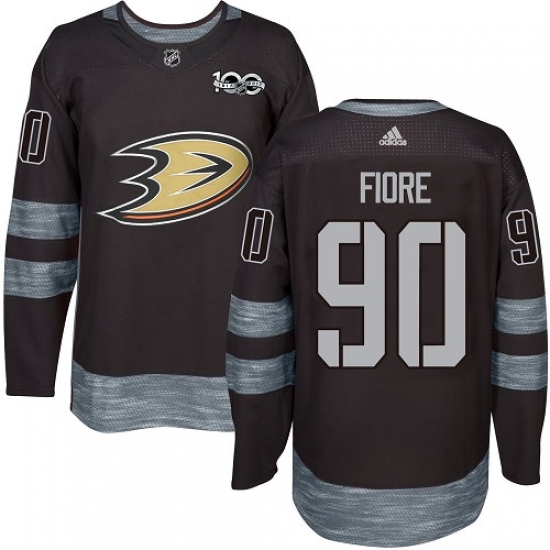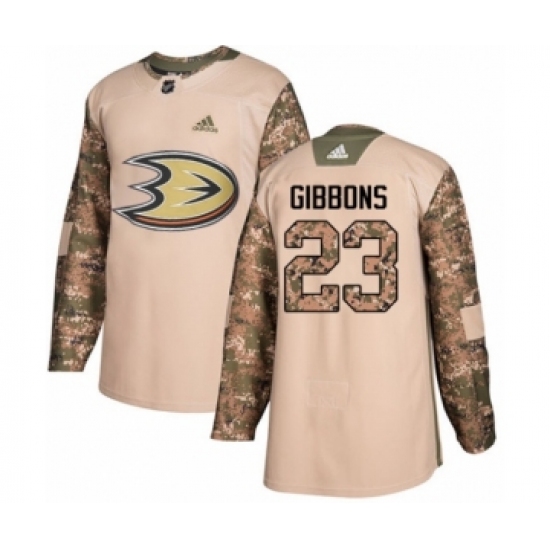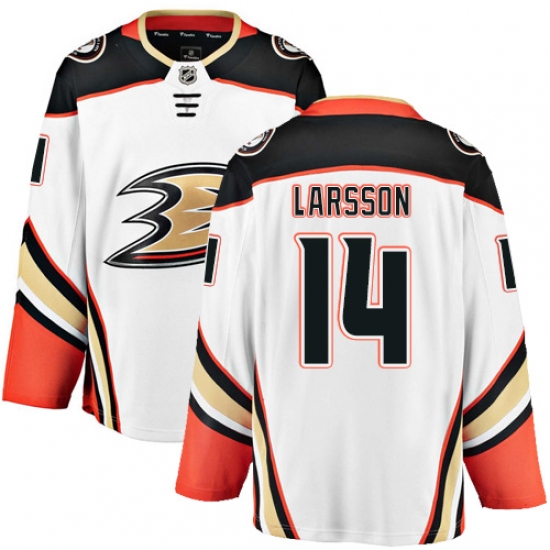
If you are asking how much do NFL jerseys cost wholesale, the honest answer sits between $14 and $38 per piece depending on fabric weight, decoration method, and order volume — not on the logo on the chest. Resellers who buy through two or three layers of middlemen routinely pay 40% more than the shop that owns the mesh rolls, the sewing floor, and a US warehouse. That price gap is either your retail margin or your competitor's.
Start with fabric, because it is the biggest cost lever in the entire build. A 300 GSM heavyweight polyester mesh body costs noticeably more per yard than the 160–180 GSM tissue-thin mesh used in flea-market goods. Heavyweight mesh holds its shape after 30 washes, drapes correctly on a hanger, and photographs well for online listings. Thin mesh pills, stretches at the shoulders, and creates returns that erase your margin before the season ends.
Decoration is lever number two. A genuine double-stitched Tackle Twill number is cut from twill fabric, layered for depth, and sewn down with two rows of thread. It survives tugging, grabbing, and machine washing. Heat-pressed vinyl or single-stitch print looks fine on day one and starts lifting at the corners by week three — which is exactly when your customers start emailing you for refunds.
Before you wire money to any supplier, ask three questions:
- Is the body 100% breathable polyester mesh, and what is the exact GSM?
- Are the numbers double-stitched Tackle Twill, with a soft interior backing behind the chest crest so it never scratches skin?
- Does the collar use a reinforced collar band, and are shoulder and side seams finished with zig-zag lock stitching?
A supplier who cannot answer those three questions in writing is reselling, not manufacturing. That is the difference between $32 and $17 per jersey at the same quality level, and it is the reason serious buyers build direct relationships with wholesale NFL jerseys programs that carry US stock instead of waiting on overseas containers.
Here is how real domestic wholesale pricing stacks up for stitched stock jerseys with sewn numbers:
- 12–49 pieces: $24–$32 each
- 50–99 pieces: $19–$25 each
- 100–299 pieces: $16–$20 each
- 300+ pieces: $14–$18 each, with custom name and number included on qualifying runs
Tier breaks are where the profit lives. Moving a single order from 40 pieces to 120 pieces typically drops your landed cost by 25% to 30%, and that discount goes straight to the bottom line because retail pricing rarely moves. Smart buyers mix a large base order of proven sellers with a smaller test batch of new team colorways.
MOQ is the second thing to negotiate. Several US-based suppliers now run low minimums starting at 12 pieces per style, which lets a team store or league manager test demand without tying up $8,000 in dead inventory. Any supplier demanding 500 pieces upfront from a first-time buyer is protecting their own cash flow, not yours.
Shipping speed is the third lever, and it is the one most buyers underestimate. Containers from overseas take 25 to 45 days door to door, plus customs holds, plus the risk of missing a playoff run entirely. Domestic warehouse stock ships in 1 to 3 business days with tracking, and reorders can be placed mid-season without a lead-time gamble.
Size runs matter more than most buyers expect. A standard run of S through 3XL with youth sizes mixed in covers roughly 90% of retail demand. Order youth Small and youth Medium heavier than you think you need — youth programs, school leagues, and parents buying for growing kids clear those sizes first. Always request the supplier's actual measured size chart, not a generic conversion table, and check chest width and body length in inches before committing.
When your bulk order arrives, run a real quality inspection instead of a quick glance at the top layer:
- Pull 10% of the carton and check that every twill layer is fully sewn down on all edges.
- Flex each number and crest — lifting edges mean the stitching tension was set too loose.
- Confirm the soft interior backing is present and flat, with no loose thread ends poking through.
- Check collar and armhole stitching for skipped stitches or puckering.
- Verify tag sizing against the physical garment, not the poly bag label.
Fabric care advice is a sales tool, not filler. Tell your customers to wash stitched jerseys inside out in cold water on a gentle cycle, skip the dryer, and hang dry. Heat is what kills twill and mesh — it shrinks polyester and softens the adhesive on any pressed elements. An iron should never touch a stitched number directly; use a pressing cloth on low if wrinkles must go.
Margin math is simple once your cost is locked. At a $17 landed cost and a $59 retail price, a 100-piece order returns roughly $4,200 in gross profit before shipping and fees. At a $32 cost for the same jersey, that same order returns about $2,700. Same product, same customer, 55% less profit — purely from where you bought it.
League and team buyers should think in reorder cycles rather than one-off purchases. Back-to-school, the start of the regular season, playoff pushes, and December gifting are four predictable demand spikes. Buyers who place a base order two to three weeks ahead of each spike and hold a small buffer of the top six selling colorways almost never run out of the sizes that matter.
Custom name and number programs deserve a separate budget line. Embroidered personalization typically adds $6 to $12 per jersey at volume, but it lets you sell at a $15 to $25 premium and locks in team and league accounts that would otherwise shop on price alone. Confirm turnaround time in writing — personalization should add days, not weeks, when the blanks are already in US stock.
Watch for the classic warning signs of low-grade goods: numbers that feel stiff and plastic, mesh you can see daylight through, collars that curl after one wash, and a supplier who refuses to send a physical sample. A $30 sample fee is cheap insurance before a $5,000 bulk order.
Q: What is the lowest realistic wholesale price for a stitched NFL jersey?
At 300 pieces or more with stock sizing, expect $14 to $18 per piece. Below $12 usually means single-stitch decoration or lightweight mesh under 200 GSM — not a real Tackle Twill build.
Q: Do I need to order 500 pieces to get a low price?
No. Tier breaks start as low as 50 pieces at most domestic suppliers, and some programs open at 12 pieces per style so you can test without overcommitting.
Q: How fast can a US bulk order ship?
In-stock items typically leave the warehouse in 1 to 3 business days. Custom name and number orders add a few production days on top of that.
Q: Are stitched jerseys worth the extra cost over printed ones?
For resale, yes. Stitched jerseys command higher retail prices, survive laundering, and generate far fewer returns — which usually more than covers the per-unit difference.
If you want to compare actual pricing instead of guessing, pull the current stock list and tier sheet from Cheap Jerseys Wholesale US, then request a sample before you scale. You get wholesale tier discounts, low MOQ entry points, and domestic fulfillment that ships in days rather than weeks. Full catalogs, size charts, and bulk quotes are available at www.cheapjerseyswholesaleus.com.