Every buyer searching for custom hockey uniforms no minimum runs is really chasing the same thing: a stitched, game-ready jersey at a wholesale price that leaves room for retail margin. The problem is that most suppliers quoting rock-bottom numbers either ship thin printed shells from overseas or bury you in setup fees and 90-day freight windows that miss your season opener.
You do not need to gamble on either extreme. What you need is a supplier with US warehouse stock, honest MOQ terms, and a construction spec sheet you can audit carton by carton.
Let us start with the uncomfortable part. A true zero-minimum stitched hockey uniform does not exist at any honest factory, and any supplier who promises one is either printing instead of stitching or padding the unit price to cover the setup. Tackle Twill cutting, digitizing, and color-matched layering all carry fixed cost. What real wholesale programs offer is a low MOQ — typically 10 to 25 pieces per design — with that setup already amortized into a tiered price.
So ask the right questions before you compare quotes. What is the per-design minimum, not the per-order minimum? Are size splits counted separately? Is digitizing charged once or per reorder? A supplier that answers those three clearly is usually the one that will not surprise you at invoice time.
Fabric is where cheap jerseys fall apart first. The baseline you should demand is 100% breathable polyester mesh at 300 GSM. That weight holds structure under shoulder pads, photographs cleanly under rink lighting, and survives a full season of wash cycles. Anything in the 160 to 190 GSM range feels like a practice pinnie after three games, and it stretches at the shoulder yoke the first time a defenseman grabs a handful of it.
Construction details separate a wholesale jersey from a disposable one. Every piece in a serious bulk program should carry:
- Double-stitched Tackle Twill numbers with layered color panels, not heat-pressed vinyl
- Soft interior backing behind every embroidered zone so threads never scratch a player's shoulders or back
- Reinforced collar bands that stay flat after repeated stretching over a helmet
- Z-stitch reinforcement at the shoulder yoke and side seams, the two spots that fail first
- Optional lace-up collar and fight strap for pro-style builds
Crests get the same treatment. A four-color stacked twill crest reads sharper on camera and outlasts a single-layer patch by years. Check that the crest edges are cleanly cut with no fraying or adhesive bleed, and that the backing layer is trimmed to match the outline rather than left as a rough rectangle.
Sizing is the second most common source of returns. Hockey jerseys are cut to layer over pads, so the flat chest measurement is not the fit measurement. Add 4 to 6 inches of clearance over a player's bare chest number.
- Adult small through 4XL covers most men's league rosters
- Goalie cut adds roughly 2 inches of body width and sleeve length — order it for anyone in net, no exceptions
- Youth small through youth XL for house leagues and school programs
- Women's cuts run narrower through the waist; do not substitute a youth size and expect it to fit
When you build a bulk case pack, follow your league's actual roster curve instead of ordering evenly. In a typical 20-player roster, roughly 60 percent of players land in adult medium and large. Ordering flat across six sizes leaves you with dead stock in 4XL and a shortage in the two sizes that actually move.
Here is the inspection standard to run before you accept a carton. Pull 3 to 5 percent of units, or use an ANSI AQL 2.5 sample for larger shipments, and check each piece against this list:
- Stitch density of 8 to 10 stitches per inch on all structural seams
- Twill edges clean, no lifted corners or glue residue
- Collar band meets evenly at center front with no twist
- Number placement within 1/8 inch of your spec sheet
- Interior backing fully covers embroidery threads
- Color match against your Pantone reference under natural light, not warehouse fluorescents
Fail two or more units in a sample and reject the carton. A supplier with real US stock will re-pull from the same rack the same day. A supplier shipping from overseas will argue with you for three weeks.
Care instructions matter more than buyers expect, because cracked numbers generate returns. Turn the jersey inside out, wash cold on a gentle cycle, skip fabric softener, and hang dry. Never put a stitched hockey jersey in a hot dryer — the heat breaks down the adhesive layer beneath the twill, and that is what causes numbers to lift and curl. A $20 care card inserted in each retail bag cuts your return rate noticeably.
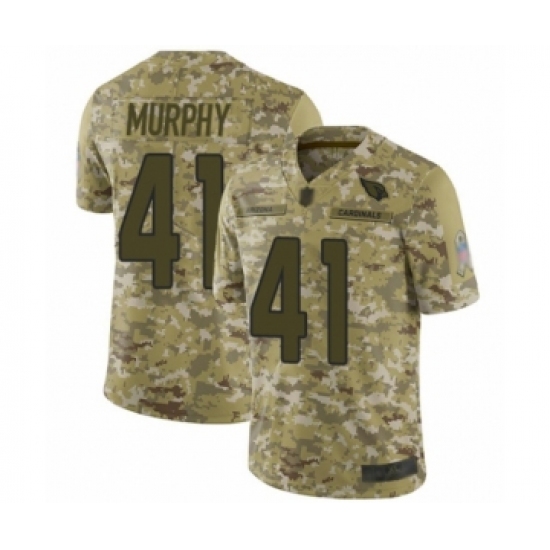
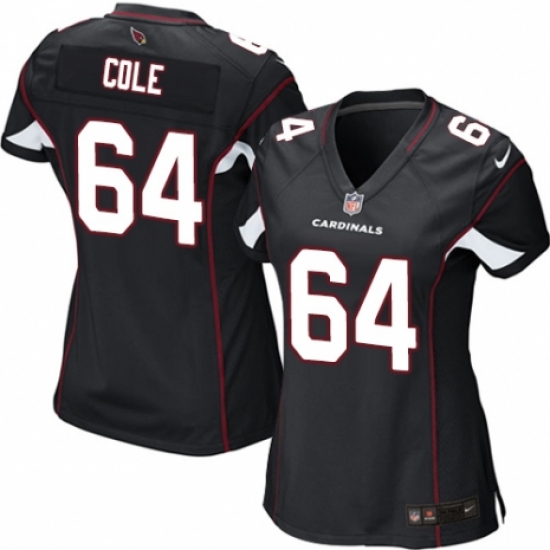
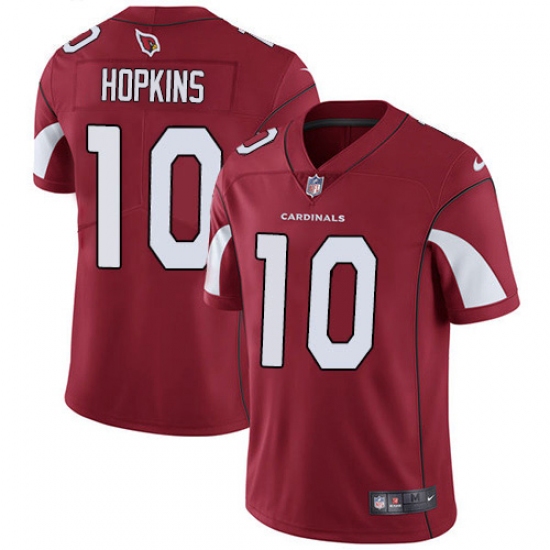
This is where a domestic supplier changes your math. When you source cheap jerseys wholesale US stitched NHL jerseys from stateside stock, you are not paying for a 45-day ocean container, you are not absorbing customs brokerage, and you are not guessing whether your order clears before the season starts.
US stock also means mid-season reorders are realistic. Leagues add players in week six. A team changes its third jersey in January. If your restock window is six weeks, you cannot serve those customers at all. A domestic warehouse turns a restock into a 48-hour transaction.
Run the margin on a realistic example. Landed cost on a stitched custom hockey jersey from a US wholesaler typically sits between $18 and $24 depending on tier and decoration. Retail on a comparable pro-stitched jersey runs $85 to $130, and resellers move them at $45 to $65 in a team store or online. That is a healthy two-to-three-times markup with no duty exposure and no dead capital tied up in a container.
Tiered pricing is where the real money is. A typical wholesale ladder looks like this:
- 10 to 24 pieces per design: entry tier, setup fee applies, ideal for testing a new league look
- 25 to 99 pieces: setup amortized, unit price drops roughly 12 to 18 percent
- 100 to 299 pieces: full multi-layer twill included, priority production scheduling
- 300+ pieces: container-level pricing, mixed sizes and mixed designs allowed in one order
Decoration choice affects both cost and durability. Sewn twill is the standard for anything a player wears on the ice. Printed names and numbers are acceptable for practice sets and fan merchandise where the price point matters more than longevity. Do not mix the two on the same jersey unless you enjoy explaining to a customer why the back peeled and the front did not.
League managers should also lock in name and number pricing up front rather than per order. Roster changes, trades, and mid-season call-ups are guaranteed. A supplier who can add a single stitched nameplate without charging a fresh setup fee saves a league manager hours and a few hundred dollars over a season.
One more sourcing habit worth building: keep two approved sample jerseys on file, one from your first production run and one from the most recent. Compare them every six months. Materials drift, and a supplier that swaps to a lighter mesh will usually do it quietly between reorders.
Q: Can I really order custom hockey uniforms with no minimum at all?
A: No, not with stitched construction. Digitizing and twill cutting carry fixed costs. What you can get is a low per-design minimum around 10 pieces, with mixed sizes in the same order.
Q: How long does shipping take from a US warehouse?
A: In-stock items typically ship same or next business day and arrive in 2 to 5 business days depending on the state. Custom decoration adds production time on top of transit.
Q: What is the difference between a 300 GSM mesh jersey and a lighter one?
A: Weight equals structure and durability. A 300 GSM mesh resists stretching at the shoulder yoke, holds its shape over pads, and survives far more wash cycles than a 180 GSM shell.
Q: Do stitched numbers hold up in a washing machine?
A: Yes, if you wash cold, inside out, and hang dry. Heat is what destroys the adhesive under the twill, so keep stitched jerseys out of the dryer entirely.
If you are ready to price a real order instead of a teaser quote, shop the full NHL jersey catalog at www.cheapjerseyswholesaleus.com. You will see live stock, tiered bulk discounts, low MOQ entry points, and US-based shipping that gets product to your customers before the puck drops — not six weeks after.