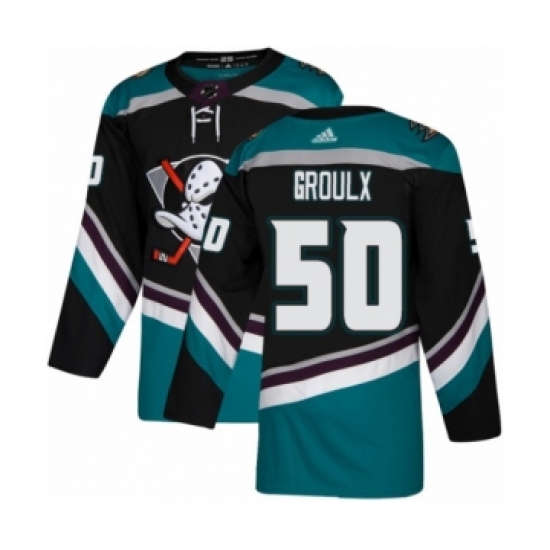
If you move team gear for a living, the first number you chase is simple: how much do NFL jerseys cost wholesale in the US market right now. Get that number wrong and you either price yourself out of the buyer's budget or hand your entire margin to a middleman who never touches the product. The real pain isn't only the unit cost — it's paying premium money for crooked stitching, glued-on numbers, and a ship date that lands three weeks after the season opener.
Wholesale NFL jersey pricing in the US falls into four rough buckets. Any supplier quoting far outside these ranges is either cutting corners or padding the invoice:
- Printed replica, heat-pressed: $7–$12 per unit at 100+ pieces
- Stitched replica, single-layer twill: $13–$19 per unit at 100+ pieces
- Stitched game-style, double-layer Tackle Twill: $18–$28 per unit at 100+ pieces
- Vintage and throwback embroidered runs: $22–$34 per unit, depending on patch count
Push past 500 pieces on a stitched style and those numbers typically fall another 15–25%. That ladder, not the headline price, is where a distributor actually builds profit.
Four cost inputs decide where a jersey lands on that ladder: fabric weight, decoration method, sewing labor, and freight plus duty. Fabric and labor are the two buyers underestimate most. A supplier can quote you $14 and still make money — they just switched you to a 180 GSM shell and cut the number of stitch lines on each shoulder.
Start with the body fabric. A real game-style jersey uses 100% breathable polyester mesh at roughly 300 GSM, which gives the shoulders structure and keeps the front panel from curling after the first wash. Lightweight 180–220 GSM mesh feels fine on a hanger and looks thin on a customer. Weigh one jersey on a kitchen scale before you commit to a bulk order. At 300 GSM with about 1.1 square meters of fabric, the shell alone should come in near 330 grams, before numbers and trim.
Decoration is the second cost driver, and it's where cheap suppliers cheat. Proper Tackle Twill means a twill base layer plus a stitched satin border, sewn through with double-stitched Tackle Twill numbers and a tight Z-stitch pattern around the edges. Glued or heat-pressed numbers on a "stitched" listing are the most common bait-and-switch in this category.
That exact spec is what we hold on every run of cheap jerseys wholesale US stitched NFL jerseys. The stitching has to survive a real tug test, not a photo shoot.
Look inside the jersey before you look at the outside. A soft interior backing behind the numbers and shoulder patches prevents the thread from scratching skin, which matters if you're selling to youth leagues and parents who get complaints from kids. Cheap runs skip this liner because it adds a sewing step and roughly 40 cents per unit. That 40 cents is the difference between a repeat buyer and a return.
Collar construction tells you almost as much. Reinforced collar bands with bar-tack stitching at the V-point stop the neckline from stretching into a wavy mess after a dozen wears. Check the side seams too — a well-built jersey has lockstitch or flatlock seams with no loose tails hanging inside the armpit.
The stitched-versus-printed price gap is real and worth understanding. Printed jerseys run $5–$8 cheaper per unit because heat transfer skips the embroidery machine. For youth practice sets, printed is the smart buy. For retail shelves, gate sales, and anything a customer will inspect closely, the stitched version justifies a $20–$30 higher resale price and carries far fewer returns.
Before you approve a bulk run, pull three random units from the carton and run this checklist:
- Stitch density: 8–10 stitches per inch on twill borders
- Tug test: grip the number edge and pull firmly — no lifting, no thread snap
- Collar check: bar-tack present at the V, band lays flat
- Colorfastness: rub a damp white cloth on the darkest panel, no transfer
- Measurement: flatten and measure chest width against the size chart, tolerance ±0.5 inch
- Thread trim: fewer than three loose tails per unit
Order your size curve carefully. Running a 100-piece NFL order as a flat spread of S through 3XL is a rookie mistake. A realistic distribution for adult retail is roughly 15% S, 30% M, 30% L, 20% XL, and 5% across 2XL and 3XL — then adjust based on your own sell-through from the previous season. If you're supplying a high school or youth program, shift weight toward M and L and add youth sizing in proportion, not scaled-down adult cuts.
Minimum order quantity is the next negotiation lever. Many overseas factories hold a 100–300 piece MOQ per style and per colorway, which locks up your cash in inventory you may not sell. A US-warehouse supplier can split that same buying power across multiple teams and sizes because stock is already on the floor. That flexibility is worth more than a dollar off the unit price when a league calls you on a Tuesday needing 60 jerseys by Friday.
Freight is the hidden cost nobody quotes. Air-freighting a pallet from Asia during the season runs several dollars per unit and can stall in customs for days. Domestic stock ships ground in 2–5 business days with no import paperwork, no duty surprises, and no re-boxing fees. When a customer's event date is fixed, domestic availability protects your reputation more than a cheaper landed cost ever will.
Run the margin math before you order anything. A stitched, double-layer twill jersey bought at $19 and sold at $55 returns about 65% gross margin. Bought at $15 on a 500-piece tier and sold at $49, you're near 69% while beating the local sporting goods store on price by $30. That's the whole argument for buying in bulk from a US stock position instead of cherry-picking small lots.
Protect that margin on the back end with correct handling. Turn stitched jerseys inside out before washing, use cold water on a gentle cycle, and skip fabric softener entirely — it coats the mesh and dulls the twill sheen. Never tumble dry a stitched jersey; the heat breaks down the thread tension and curls the numbers. Hang or lay flat to dry. If a jersey arrives wrinkled, steam it, or press it with a cloth between the iron and the twill on low heat.
Watch for three red flags when comparing cheap wholesale quotes. First, a price that's $6 under everyone else usually means glued numbers. Second, stock photos reused across five different suppliers signal a drop-shipper with no inventory. Third, a supplier who can't tell you the fabric GSM or produce a photo of the inside of the collar isn't holding the goods. Ask for a live photo of the actual carton. It takes them thirty seconds and it tells you everything.
How much do NFL jerseys cost wholesale at low volume? Expect $22–$28 per stitched unit below 100 pieces, since setup and picking costs are spread across fewer garments. Pricing improves fast once you cross 100 and again at 500.
Is a 300 GSM jersey too heavy for retail? No. It's the standard for game-style jerseys and holds shape better on a rack. Reserve lighter 180–220 GSM mesh for practice and training sets where breathability beats structure.
Can I mix teams and sizes in one bulk order? With US-warehouse stock, yes. Mixed carts are normal for distributors supplying multiple leagues, and they let you test sell-through without committing 300 pieces to one colorway.
How long should stitched numbers last? A properly double-stitched Tackle Twill number holds through 40–50 cold-water washes. Cracking or peeling almost always traces back to glued application or hot drying, not to the twill itself.
Ready to price out your next season buy? Pull the live stock list at Cheap Jerseys Wholesale US and check the tier pricing on stitched and embroidered runs. Low MOQ, ladder discounts that start at 100 pieces, and same-week ground shipping from US warehouses mean you can restock mid-season instead of guessing in August. Browse the full jersey catalog at www.cheapjerseyswholesaleus.com and lock your margin before your competitors lock theirs.