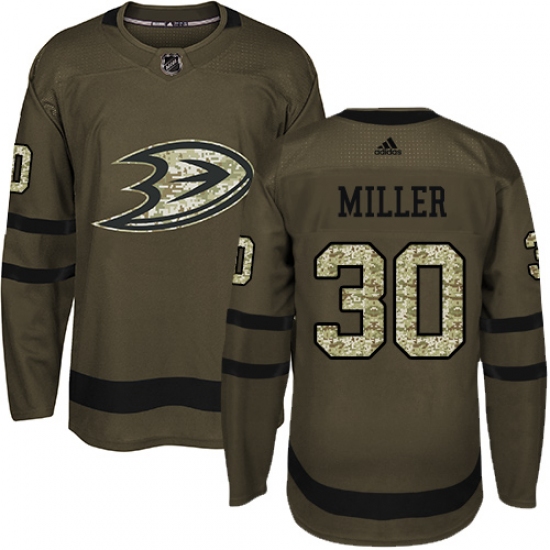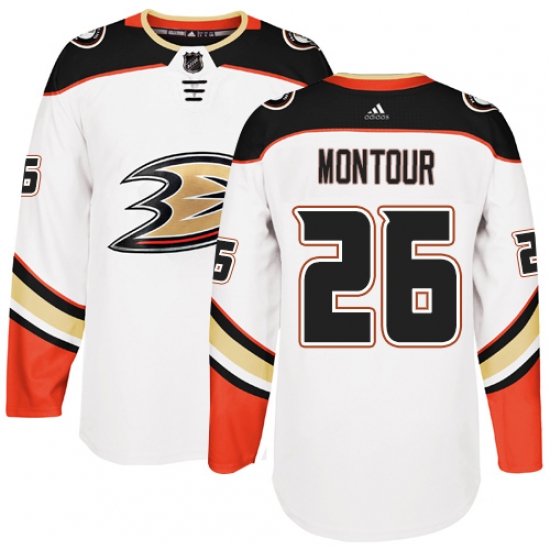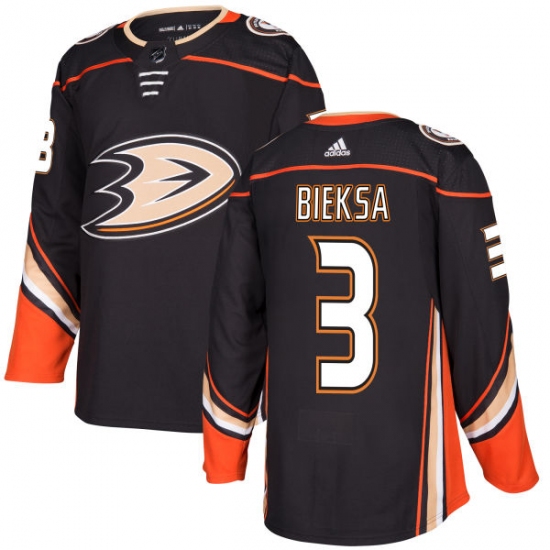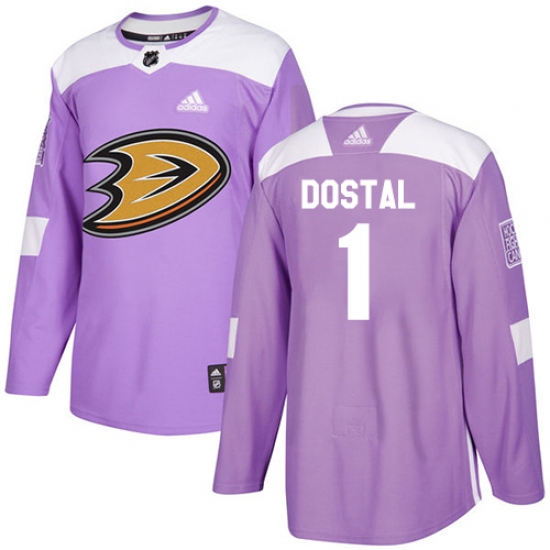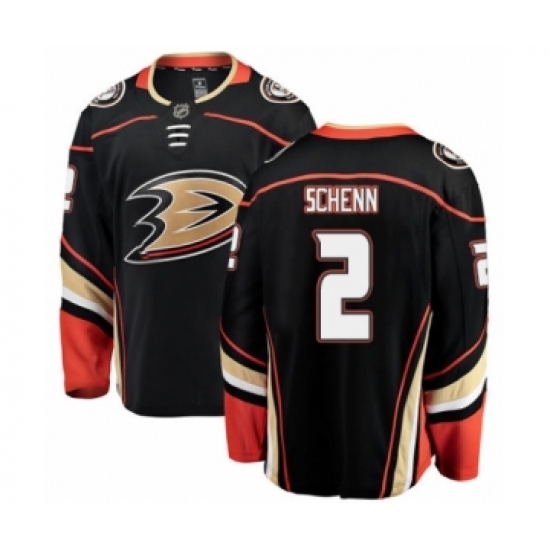
If you run a pro shop, a league, or a resale route, the number that decides your season is how much do NFL jerseys cost wholesale in the US market. Guess it wrong and your margin is gone before kickoff. Buyers get burned two ways: paying $48–$65 a unit to a domestic middleman who adds nothing, or chasing $11 overseas quotes that land sixty days late with crooked numbers and single-stitch twill. Real wholesale pricing sits in a narrow, defensible band once you know which specs actually drive the cost.
Here is where legitimate bulk pricing lands for stitched jerseys shipped out of a US warehouse:
- 25–49 units: $19–$23 per jersey
- 50–99 units: $16–$19 per jersey
- 100–299 units: $14–$16 per jersey
- 300+ units: $11.50–$14 per jersey, mix-and-match across teams and sizes
- Printed single-layer replicas: $8–$11 at 100+ units
Those are landed US prices. No customs brokerage invoice, no per-carton air freight surprise, no 45-day wait for a container. The same stitched jersey retails at $99–$135 in a team store, and resellers routinely move it at $55–$79.
Four specs move that price more than anything else, and any supplier who quotes you without asking about them is guessing:
- Fabric weight — 300 GSM double-knit polyester mesh versus a 180–220 GSM lightweight knit
- Number application — double-stitched Tackle Twill versus screen print or heat transfer
- Stitch layers — two-layer twill (base color plus outline) versus a single flat layer
- Trim package — sewn nameplate, embroidered conference patch, jock tag, woven locker tag
Start with fabric. A 300 GSM body is the difference between a jersey that holds its shape through twenty washes and one that sags at the shoulder seam by week three. The mesh must be 100% breathable polyester so air moves through the chest and back panels; a tight weave traps heat and kills repeat sales to anyone buying for actual play. Higher GSM also prints and stitches cleaner because the fabric does not pucker under the needle.
Numbers are the second cost driver and the first place cheap suppliers cut corners. Double-stitched Tackle Twill numbers use two layers of twill fabric stitched onto the jersey, then outlined with a zigzag stitch that locks down every edge. Single-stitch or glued numbers peel at the corners after two or three wash cycles — and that is the customer complaint that ends a reseller relationship.
Ask for soft interior backing behind every embroidered number. Without it, the thread ends and stiff twill edges rub against the wearer's chest and back, which is the number one reason fans stop wearing a jersey to games. Reinforced collar bands matter just as much. A ribbed knit collar with a taped neck seam holds its shape after repeated pulls over the head, while a cheap raw-edge collar stretches into a wave within a month.
When you compare quotes, request a pre-production sample and grade it against these points before you commit to a full run:
- Stitch density: 8–10 stitches per inch on number outlines
- Number alignment: 0.5 inch maximum variance between left and right chest
- Chest width tolerance: ±0.5 inch against your size spec sheet
- Color fastness: no bleed after a 20-minute cold soak
- Thread tension: no loose loops or skipped stitches at seam junctions
- Hem and sleeve finish: double-folded, no raw edges
- Weight check: 300–320 GSM on the body panel for heavyweight mesh builds
Run these checks on a random 10% pull from each carton, not on the one sample the supplier hand-picks. That single habit catches more bad lots than any contract clause, and it takes about twenty minutes per hundred units. Most defects cluster in the same two or three sizes anyway, so once you spot a problem, pull the rest of that size immediately.
Pricing also swings on how you buy. Mixed-team orders of stitched NFL jerseys in bulk often land cheaper per unit than single-team runs, because the factory runs one thread and trim setup across multiple fronts. Youth sizes cost $1.50–$2 less per unit than adult sizes on the same build. Adding sewn names and numbers runs $2–$4 per jersey depending on name length and whether the nameplate is a separate fabric panel.
Watch your size curve. A 100-unit order built as 40 larges and 60 extra-larges will stall on the shelf. Most US buyers land close to this split for adult stitched jerseys:
- S: 5%
- M: 18%
- L: 32%
- XL: 27%
- 2XL: 13%
- 3XL: 5%
Note that stitched jerseys run slightly roomier than printed replicas at the same labeled size, because the layered twill adds bulk at the chest. Tell your retail customers to size down if they want a fitted look, and size up if they plan to wear a hoodie underneath in December.
A low unit price means nothing if the goods sit in a container for six weeks. Domestic warehouse stock ships in 24–48 hours and reaches most US addresses in two to five business days by ground. That timing is what lets you reorder mid-season after a playoff run, restock a hot team in week nine, or fill a league order the week before a tournament instead of apologizing to forty players.
Protecting that margin on the customer side is simple. Wash stitched jerseys inside out in cold water, skip fabric softener because it coats the mesh and dulls the twill, and hang dry rather than tumble. Never iron directly on embroidered numbers — press through a thin cotton cloth on low heat only. A jersey treated this way keeps its shape, color, and stitch integrity for years, which is how you build a buyer who reorders every season instead of shopping price once.
How much do NFL jerseys cost wholesale if I only need 25 units? Expect $19–$23 per stitched jersey at that volume from a US-warehouse supplier. You get the same 300 GSM mesh and double-stitched Tackle Twill as a 300-unit order, just at a higher per-piece rate because the factory setup cost spreads across fewer units.
Why is a $12 quote usually a trap? At that price you are almost always getting 180–200 GSM fabric, single-layer heat-pressed numbers, or glued nameplates. Add the freight, the 45-day lead time, and the 10–15% defect rate, and your true landed cost per sellable unit is often higher than buying domestic at $16.
Do prices drop if I mix teams and sizes in one order? Yes. Mixed-team runs share thread and trim setups, so most suppliers move you into the next tier break at 100 or 300 total units regardless of how the order splits across teams. Confirm the tier is based on total quantity before you commit.
What is the realistic resale margin? Buy at $14–$16 and sell at $55–$69, and you are holding roughly 70% gross margin before shipping. Buy at $11.50 on a 300-unit break and sell at $59, and the margin climbs past 78%. That spread is why volume buyers treat the 100-unit tier as the real entry point.
Ready to price your next run against real numbers instead of guesswork? Browse the full stitched NFL jerseys at wholesale pricing and check current stock across every team, or go straight to Cheap Jerseys Wholesale US at www.cheapjerseyswholesaleus.com to lock in tier pricing, confirm your size curve, and get your order out of a US warehouse within 24–48 hours. Low MOQ, no middleman markup, and margin built for resellers who reorder every season.