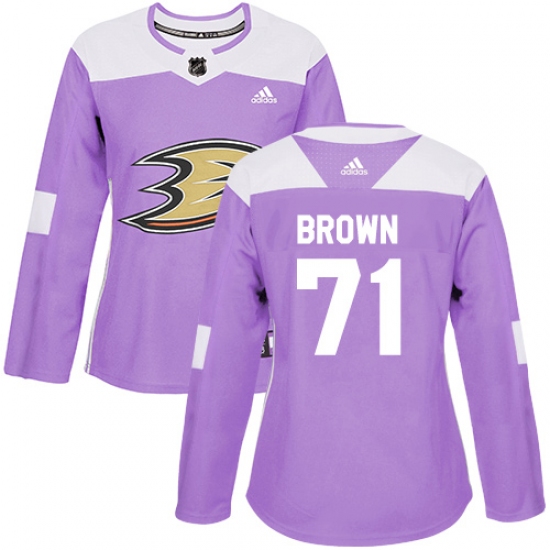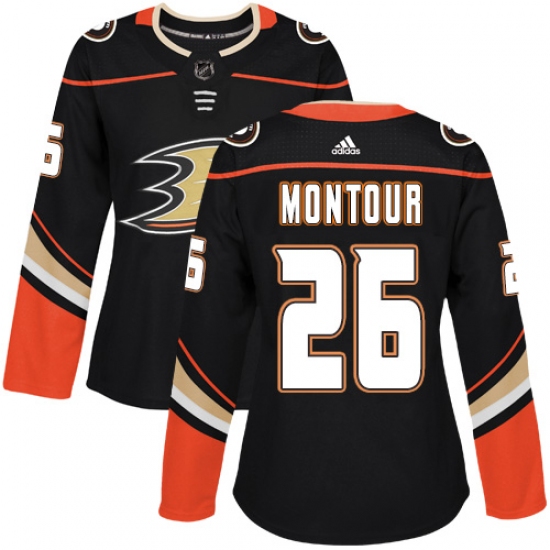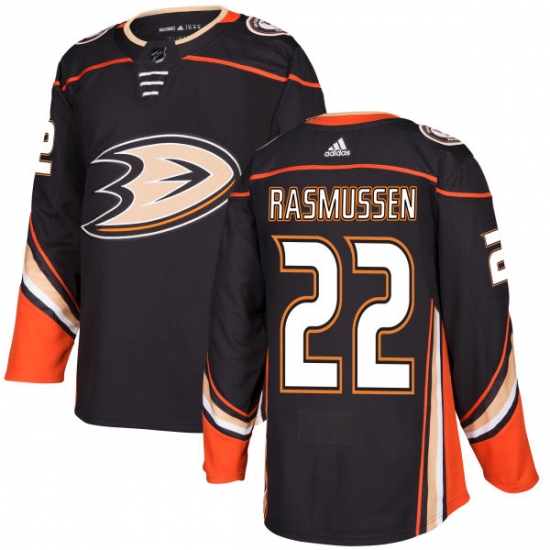
Most buyers searching how much do NFL jerseys cost wholesale get one of two useless answers: a fantasy number from a blog that has never touched a shipping carton, or a quote so low it hides thin mesh and glued-on numbers. We work the other way. This breakdown shows the real per-unit cost ladder, the fabric and stitch specs your money should buy, and how US-stocked inventory keeps your margin intact when a season rolls around.
Start with the honest number. Factory-direct stitched jerseys land between roughly $18 and $26 per unit depending on quantity, decoration method, and whether names and numbers are included. Screen-printed replicas sit lower, around $9 to $14. Anything quoted under $8 for a stitched garment is either not stitched, not mesh, or not going to survive a full season of wear.
Price tiers follow volume, and the jumps are bigger than most first-time buyers expect. A typical ladder looks like this:
- 25–49 pieces: $24–$28 each, mixed teams allowed
- 50–99 pieces: $21–$24 each, free name and number customization
- 100–249 pieces: $18–$21 each, priority restock access
- 250+ pieces: $15–$18 each, dedicated production slot and custom labeling
What drives the spread is not the logo. It is stitch count, fabric weight, and interior finishing. A jersey with 200 GSM mesh and single-needle stitching costs the factory less than half of what a 300 GSM heavyweight mesh body with double-stitched Tackle Twill costs. Both can carry the same team colors. Only one holds its shape after twenty washes.
The fabric is the first thing to verify. Ask for 100% breathable polyester mesh with a stated weight, and do not accept "premium mesh" as an answer. 300 GSM heavyweight mesh drapes with weight, resists snagging on shoulder pads, and reads as a legitimate game jersey in the hand. 180 GSM mesh feels like a printed T-shirt with holes in it, and customers notice within seconds of opening the bag.
Decoration is the second checkpoint. Double-stitched Tackle Twill numbers should sit on the chest and back with clean edges, even spacing, and no visible glue bleed around the perimeter. Ask your supplier for the stitch density: 8 to 10 stitches per inch is the working standard for a number that will not lift at the corner. Anything looser is a return waiting to happen.
Then check the inside. A soft interior backing behind every embroidered number separates a jersey people wear all day from one they peel off after an hour. Cheap lots skip this layer, and the embroidery thread scratches against bare skin. It costs the factory pennies and saves your store from complaint emails.
Collar construction tells you the rest of the story. Reinforced collar bands with double-needle stitching keep the neckline from stretching into a wavy oval after a few wears. Look for a clean jock tag, a properly set woven shield patch, and side seams that run straight from armpit to hem. If the collar looks puckered on the sample, the bulk order will look worse.
On cost, domestic stock changes the math more than most buyers realize. Ocean freight from a factory adds 30 to 45 days of transit, customs handling, and unpredictable port delays that can put your shipment on a truck the week after the season opener. A US-based distributor ships in 24 to 48 hours and replenishes weekly, which means you can buy closer to demand instead of betting on a forecast five months out. You can review current cheap jerseys wholesale US stitched NFL jerseys with published tier pricing before you commit to a purchase order.
Quality control on bulk lots is where experienced buyers earn their salary. Run an AQL 2.5 inspection on a random sample of at least 10 percent of the carton. Pull the numbers with thumb and forefinger — nothing should move. Measure three garments against the size chart and allow no more than ±1 cm tolerance on chest and length. Rub a damp white cloth across the twill to check for color transfer.
Size runs deserve real attention. Stock S through 3XL in the teams that actually sell in your region, and keep youth sizes light unless you have a league account feeding you reorders. A size chart that lists chest width, body length, and sleeve opening in inches prevents the exchange cycle that eats wholesale margins faster than any discount.
Crunch the margin before you buy anything. If your landed cost is $21 and your retail price is $79.99, you are working with roughly 70 percent gross margin before shipping and card fees. That is the buffer that lets you run a $59.99 playoff promotion, offer a 10 percent team discount, and still walk away with a real profit. Buyers who chase a $15 unit and price it at $39.99 often end up with less cash after returns.
Choose the decoration method based on your customer, not your gut. Screen-printed jerseys make sense for youth leagues, practice gear, and fan giveaways where cost per unit matters more than longevity. Stitched jerseys belong in pro shops, collector channels, and any account that gets repeat buyers. Mixing both in one catalogue lets you serve the budget shopper without cheapening your premium listings.
Watch the season clock. NFL demand spikes from late August through December, with a second bump around playoff seeding. Inventory placed in July is cheap and plentiful; the same jersey ordered in October costs more or is simply gone. Smart resellers place two orders — a base buy in early summer and a size-mixed top-up in September once they see which teams are moving.
Spread your team mix instead of stacking one roster. Unless you are in a single-market town, cap any one team at around 20 percent of the order. Carry the perennial sellers, then add two or three teams with local followings. That structure protects you from a bad season and keeps dead stock off your shelves in January.
Care instructions cut returns more than any sales tactic. Tell your customers to wash cold, inside out, on a gentle cycle, and hang dry. Never iron directly over Tackle Twill — the heat flattens the embroidery and can melt the backing. Passing that card along with each order is a five-cent habit that saves real money on replacements.
Learn to spot substandard lots before they reach your shelf. The warning signs are consistent across every supplier:
- Glue residue or stiff patches around the number edges
- Single-stitch seams that slip under light tugging
- Mesh so thin you can read a label through two layers
- Crooked numbers or mismatched left and right shoulder patches
- Sharp embroidery thread with no interior backing layer
Get the paperwork right too. Confirm carton dimensions, unit weight, and case pack before shipping so your warehouse plan is accurate. Ask for a packing list with team, size, and quantity per carton. A supplier who cannot produce that document on request is not set up for wholesale buyers, regardless of the price quoted.
Payment and reorder terms matter as much as unit cost. Established wholesale accounts should get net terms or at minimum a locked price for 60 to 90 days on reorders. That price stability lets you publish a retail number and hold it through the season instead of raising prices mid-December when your customers are already trained to buy.
If you run a league or school program, ask about name and number personalization on the same tier price. Bulk personalized jerseys move faster than blank stock and justify a premium without extra inventory risk, since the garment is sold before it is decorated.
FAQ
Is a $18 stitched jersey actually stitched?
At 100+ unit volume, yes. The cost comes out of freight and middlemen, not the stitching. Verify by requesting a pre-production sample and checking stitch density and the interior backing before the bulk run.
What is the minimum order for mixed teams?
Most wholesale programs start at 25 pieces total, not 25 per team. That lets a small pro shop test five rosters with five units each before committing to a full size run.
How fast do US-stocked orders ship?
Standard turnaround is 24 to 48 hours on in-stock items, with 2 to 5 business day delivery in the continental US. Custom-decorated orders add production time, so build that into your season calendar.
Should I buy printed or stitched for resale?
Carry both. Printed units serve price-sensitive buyers and youth programs; stitched units carry your margin and drive repeat orders from collectors and pro shop accounts.
Take the guesswork out of your next buy. Head to cheapjerseyswholesaleus.com to view live stock levels, tier pricing, and size availability across every roster, with low minimums, US warehouse dispatch in 24 to 48 hours, and volume discounts that leave room for real retail margin.