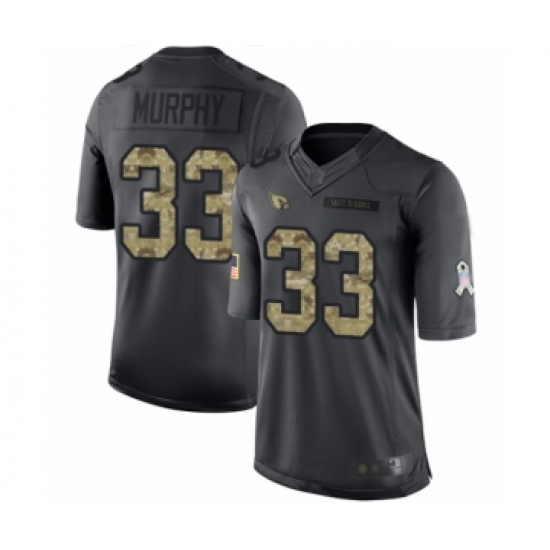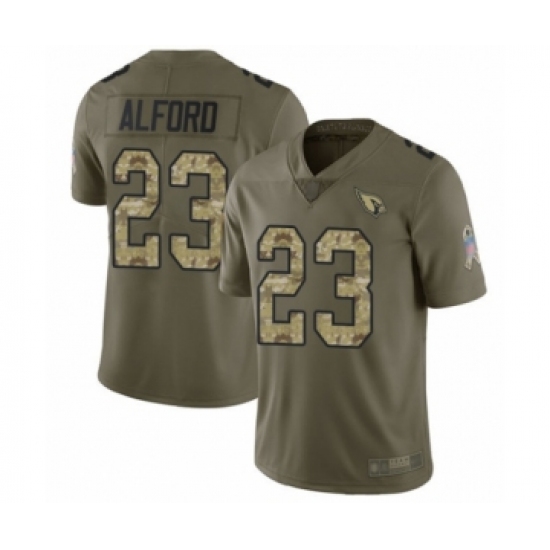
The stitched vs printed NFL jerseys debate decides your profit margin before a single unit leaves the warehouse. Pick the wrong construction for your buyer base and you either sit on dead stock or hand your markup to a competitor. Both formats have a place on a wholesale shelf, but they serve completely different customers, price points, and return rates.
Printed jerseys are heat-pressed or screen-printed onto the fabric. The process is fast, tooling is cheap, and the per-unit cost drops hard at volume. That makes them ideal for giveaway nights, school spirit packs, and short-run fan merch where the buyer cares about the logo more than the lifespan.
The problem shows up on wash number ten. Cheap transfers crack, peel at the edges, and lift off the mesh in a way that no retail customer forgives. If your store accepts returns, a printed jersey can cost you more in refunds than the original margin was worth.
Stitched jerseys build the number and nameplate separately, then sew them down. At the wholesale level, the good factories use Tackle Twill: a layered twill base with a contrast top layer, cut on a die, then applied with double-stitched borders. The result survives heavy washing, looks dimensional under sunlight, and photographs well on a product page.
There is a real cost gap between the two. Depending on volume and tier, printed blanks land noticeably lower per unit than a fully stitched build with a sewn nameplate and a reinforced shoulder yoke. The question is not which is cheaper. It is which one sells through at your price point without generating return tickets.
Material is where the low-end suppliers cut corners, and it is the first thing a serious buyer should inspect. Every jersey we stock runs on 100% breathable polyester mesh, and the flagship football builds use a 300 GSM heavyweight mesh that holds structure at the shoulders instead of collapsing like a grocery bag.
Ask for a GSM reading before you sign off on a bulk order. Anything under roughly 220 GSM feels thin in hand, shows the shirt underneath, and reads as counterfeit to an experienced fan. Weight also affects drape, and drape is what makes a cheap jersey look expensive on a hanger.
Inside the chest and shoulder panels, look for soft interior backing behind every embroidered number. Without it, the twill edge rubs against the collarbone and armpit until the buyer returns it. It is a two-cent upgrade at the factory that saves you a full refund at retail.
Collar construction separates real wholesale stock from flea-market product. A reinforced collar band keeps the neck opening from stretching into a sagging V after a few wears, and the shoulder seams should be locked with Z-pattern bar tacks at every stress point rather than a single straight pass.
Double-stitched Tackle Twill numbers and a double-needle hem tell you the factory is not rushing the line. Run your thumb along the inside seam. Loose thread tails, skipped stitches, and uneven spacing between the number edge and the stitch line are all signs of a low-spec run you should reject at inspection.
If you are sourcing bulk football stock for resale, stitched NFL jerseys give you the strongest story to tell at retail: sewn numbers, heavyweight mesh, and a build that survives a full season. Printed versions still belong in your catalog, just at a lower price tier and a lower expected lifespan.
The US warehouse advantage matters more than most buyers admit. Domestic stock ships in days, not weeks, which means you can restock a hot size after a weekend of sales instead of missing the entire playoff window waiting on a container from overseas.
That timing difference is the whole game during the NFL season. A competitor waiting on an overseas shipment in October is out of the market. A buyer pulling from US-based inventory can run a flash sale on Friday and have units on the shelf by midweek.
Choose your size run based on the league you sell into. Adult S through 3XL should be your spine, with youth sizing layered on top for team and school accounts, and women's cuts added only when you have the demand data to justify the SKU count.
Here is the inspection checklist we run on every bulk lot before it moves to a picking shelf:
- Fabric weight: confirm 300 GSM heavyweight mesh on premium football builds, breathable polyester mesh on standard runs.
- Stitch density: double-stitched Tackle Twill with no skipped or floating threads.
- Interior finish: soft backing present behind every embroidered number and nameplate.
- Collar and seams: reinforced collar band, Z-pattern bar tacks, straight double-needle hems.
- Color match: pantone check against the approved swatch under daylight, not warehouse lighting.
- Label and tag: size tag sewn straight, care label legible, no adhesive residue.
- Symmetry: numbers centered on the chest and back, nameplate even across the shoulder line.
Care instructions protect your margin after the sale. Tell your customers to wash stitched jerseys inside out in cold water, skip the dryer, and never iron directly over the twill. Heat is what kills both printed transfers and stitched applique, just on different timelines.
For team and league accounts, custom names and numbers are the upsell that turns a one-off order into a repeat season contract. Confirm the factory's minimums, number font, and letter height before you quote, since a sizing change mid-order resets the whole production run.
Price your tiers deliberately. A stitched jersey justifies a premium retail tag, a printed jersey is your volume mover, and a mixed catalog lets you serve both a picky collector and a budget-conscious parent without losing either one to a competitor.
Watch your inventory turns instead of chasing the absolute lowest unit price. A slightly higher cost per jersey that sells through in three weeks beats a rock-bottom lot that sits until the season ends and then discounts at a loss.
Do stitched jerseys really cost more than printed ones? Yes, per unit, and the gap comes from the Tackle Twill material, the die cutting, and the extra sewing time. The tradeoff is fewer returns, a higher retail ceiling, and a customer who comes back next season.
How do I spot a printed jersey being sold as stitched? Look at the number edge under a light. Stitched applique has a visible raised border and a thread line. Printed numbers sit flat against the mesh with a slight gloss and a soft edge that fades into the fabric.
What GSM should I require for football jerseys? Ask for 300 GSM heavyweight mesh on premium builds. Anything under roughly 220 GSM feels thin, shows through, and will not hold shoulder structure after repeat wear.
Can I mix printed and stitched jerseys in one bulk order? Usually yes, and it is the smart play. Use printed stock for promotions and youth volume, and stitched stock for adult fans and collectors who expect sewn numbers.
Ready to stock a catalog that sells at both price tiers? Low minimums, tiered bulk discounts, and fast US-based fulfillment are all part of the deal at browse the full wholesale NFL catalog, where you can lock in stitched and printed stock before the next rush hits.