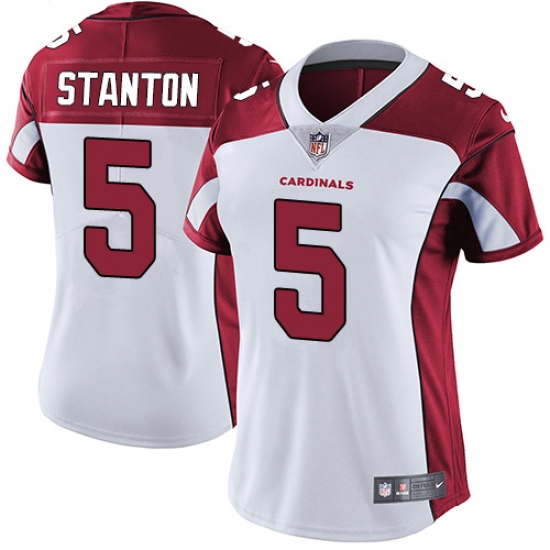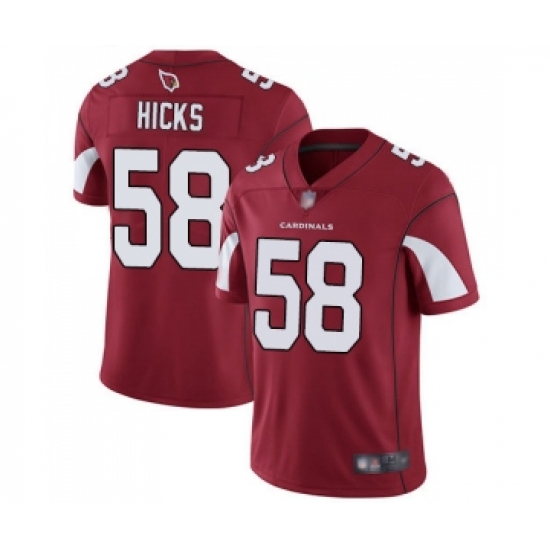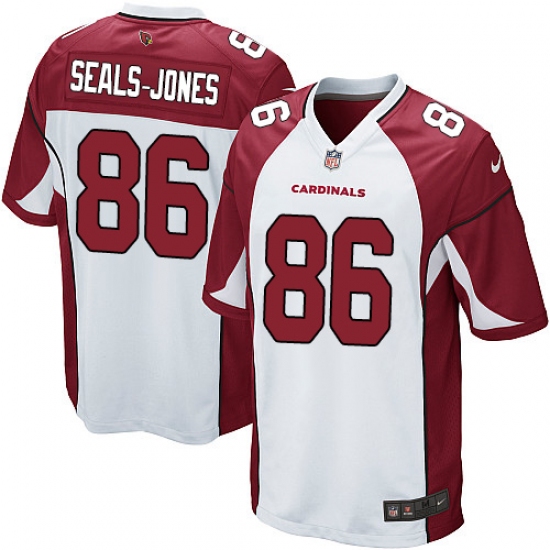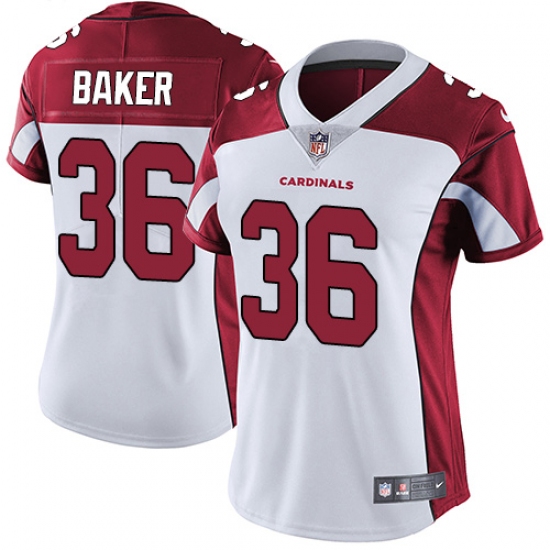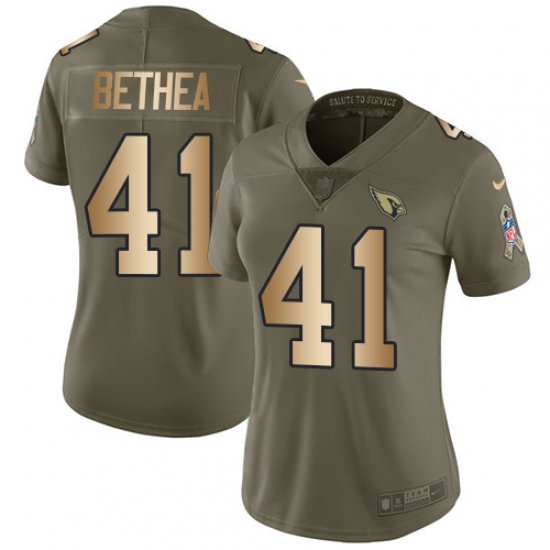
If you are sourcing for a team store, a league, or a reseller route, the first question on your list is simple: how much do NBA jerseys cost wholesale? The honest answer depends less on the league logo and more on fabric weight, decoration method, and where the goods physically ship from.
Most buyers get burned in one of three ways. They pay $38 to $55 per unit through a domestic middleman and watch their retail margin collapse. They chase a $9 overseas quote and receive single-layer screen prints on tissue-thin polyester that pills after two washes. Or they order from a factory that ships by sea and miss the entire holiday and playoff sales window.
Below is what actual wholesale basketball pricing looks like in the US market right now, what drives the number up or down, and how to buy at the bottom of the range without getting stuck with dead inventory.
Let's start with the cost floor. A basic adult basketball jersey in 100% breathable polyester mesh with single-layer screen-printed numbers and letters lands between $7.50 and $11.00 per unit at 100-piece volume. That is a wearable, washable, gym-grade garment. It is not what most serious buyers want to resell.
The real sweet spot for retail resale is the stitched build. Move up to double-stitched Tackle Twill numbers and letters, and your per-unit cost moves to roughly $13.00 to $19.50 at the same 100-piece quantity. At 500 pieces or more, that number drops into the $11.00 to $15.00 band.
What you get at that price matters. Twill layers are cut and sewn, not heat-pressed, so the numbers do not peel off after six washes. The chest and back panels are separate pieces joined with lockstitch, so the jersey does not twist on the hanger. Reinforced collar bands hold their shape through a full season of laundering.
There is one detail that separates a $12 jersey from a $19 jersey, and it has nothing to do with the outside. It is the inside. Soft interior backing behind the embroidery stops the thread tails from scratching skin. Players notice this immediately, and it is the number one reason a team reorders from the same supplier.
Fabric weight is the next pricing lever. Standard mesh runs about 180 to 220 GSM. Heavier 250 to 300 GSM mesh costs more per yard but holds dye better, resists snagging from gym equipment, and hangs with a heavier drape that buyers associate with premium product. If your customers are comparing your jersey to a $120 retail swingman, the heavier fabric is the difference they feel in their hands.
Trim adds cost too. Twill side panels, ribbed armhole binding, and a woven jock tag each add roughly $0.40 to $1.10 per unit. None of them are mandatory, but all of them push perceived value up, which is what actually lets you hold a $45 to $65 retail price without discounting.
Now the part most wholesale lists hide: quantity tiers. Almost every legitimate supplier prices on a stair-step curve, and the gap between tiers is bigger than most buyers expect.
- 24 to 49 units: $19.00 - $24.00 per jersey (sample and small team orders)
- 50 to 99 units: $16.00 - $21.00 per jersey
- 100 to 299 units: $13.00 - $19.50 per jersey
- 300 to 499 units: $12.00 - $16.50 per jersey
- 500 to 999 units: $11.00 - $15.00 per jersey
- 1,000+ units: custom quoted, typically $9.50 - $13.50 per jersey
Adults and youth are not priced the same. Youth sizing uses less fabric and generally runs $1.50 to $3.00 cheaper per unit in the same build. If you are supplying a youth league, order youth and adult in the same production run to lock one shipping cost and one decoration setup.
Sizes XL and up carry an upcharge in nearly every factory, usually $1.00 to $2.50 per size step above XL. Plan your size curve before you commit to a volume tier, because a bad curve is what turns a good price into slow-moving stock.
A realistic adult size run for a 100-piece order looks like this:
- S: 10 units
- M: 22 units
- L: 26 units
- XL: 20 units
- 2XL: 14 units
- 3XL: 8 units
Adjust based on your market. College towns and rec leagues skew larger. Middle school programs skew smaller and need more youth sizes, which is why bulk personalized basketball team jerseys orders from school buyers almost always split into two separate size curves.
Decoration method is the single biggest cost swing after fabric. Heat-pressed vinyl is the cheapest option and the one that fails first. Screen print is the middle option and works fine for practice gear. Sewn twill is the top option and the only one that survives a full competitive season without visible deterioration.
If you are supplying a real team, do not cut this corner. The replacement cost of a failed decoration run is far higher than the per-unit savings, and the reputational damage in a local league travels fast.
Quality control is where cheap sourcing either works or falls apart. Before you release a bulk order, run a physical inspection on at least three random units per size pulled from the middle of the cartons, not the top layer.
- Check that the twill layers sit flush with no visible glue bleeding at the edges
- Pull the collar to confirm the reinforced band snaps back and does not pucker
- Turn the jersey inside out and run a finger over the interior backing for loose thread tails
- Measure chest width flat and compare against the spec sheet, allowing no more than 1 inch variance
- Weigh one jersey and compare to the stated GSM, since underweight mesh is the most common substitution
- Check that the number centering is consistent across all three units tested
If any single point fails on more than one unit, request a re-inspection of the full lot before shipping. Any supplier with real factory access will do this without argument. A supplier who pushes back is not a supplier you want on a 500-piece order.
Buyers frequently ask why one quote is $11 and another is $19 for what looks like the same jersey. Usually the difference comes down to four things: mesh weight, whether the numbers are genuinely sewn or merely printed to look sewn, whether interior backing exists at all, and whether the goods are already sitting in a US warehouse or still need to cross an ocean.
Domestic stock is worth paying a small premium for in most cases. A US warehouse means you can reorder mid-season in days instead of weeks, and it means you can inspect a sample before committing to 500 units. That flexibility has a dollar value, especially when a league calls in November asking for another 40 jerseys by the following weekend.
Customization pricing follows its own logic. Adding a name and number to a stock jersey typically runs $3.50 to $6.00 per unit on top of the base price, depending on letter count and whether it is a single or two-color print. Full custom designs from scratch carry a one-time setup fee, usually $40 to $90, which is waived on larger runs.
Watch for minimum order quantities on custom work. Many factories quote a low per-unit price but require 250 pieces minimum for custom decoration. If you only need 60 jerseys, ask specifically whether the MOQ applies to the blank, the decoration, or the combined order. The answer changes your true cost significantly.
Reorders are the real profit engine. First orders feel expensive because of setup. Second and third orders on the same design cost less and ship faster, which is why building a repeatable team or school account is worth more than a one-time bulk flip.
Care instructions are worth passing to your buyers because they protect your reputation. Stitched jerseys should be washed inside out in cold water on a gentle cycle, then hang dried. Never put a twill-decorated jersey in a hot dryer, because heat is what causes the backing adhesive to soften and the twill edges to curl.
For printed designs, the failure point is friction. Turn the jersey inside out before washing, skip the fabric softener, and avoid stacking heavy items on folded jerseys for long storage periods. These three habits extend the useful life of a decorated jersey by a full season in most cases.
Stock depth matters for resellers who want to keep listing. The strongest wholesale programs carry consistent inventory in core sizes so you can fulfill repeat orders without gaps. Look for a supplier that publishes its size availability and restocks on a predictable schedule rather than one that runs out of L and XL every other month.
Payment and shipping terms are the last piece. Standard terms are a deposit up front with the balance on completion, or full payment up front on stocked domestic goods. Reputable suppliers issue tracking, pack in cartons of 30 to 50 units, and can consolidate mixed orders of adult and youth into a single shipment.
Palletized shipping is worth requesting once you cross roughly 300 units. It reduces box damage in transit and cuts handling time at your end, both of which matter if you are turning inventory weekly.
Where buyers get stuck most often is in the transition from one-off purchase to a repeatable wholesale relationship. The fix is boring but effective: lock one build spec, one size curve, and one decoration method, then place a larger order on that fixed spec instead of chasing a new cheapest quote every month.
That is the whole game. Consistent build quality, a known per-unit cost, and local stock you can reorder from fast. Everything else is noise.
Frequently Asked Questions
What is the realistic cheapest price for stitched basketball jerseys in bulk?
At 500 units and above, a stitched build with twill numbers and interior backing generally lands between $11.00 and $15.00 per unit. Anything quoted below $9 with genuine sewn decoration should be verified with a physical sample first, because something in the spec is being reduced.
Is there a minimum order for custom names and numbers?
Yes, and it varies. Some suppliers set MOQ at the blank level and allow smaller decoration runs. Others require 100 to 250 pieces for full custom work. Confirm the MOQ applies to what, and get it in writing on the quote.
How fast can US-stocked orders ship?
Stocked domestic inventory typically ships within 24 to 72 hours of order confirmation. Custom production runs take longer, usually 10 to 21 days depending on quantity and decoration complexity. Plan around your season, not around the quote sheet.
How do I tell if a "stitched" jersey is actually sewn?
Turn it inside out. Genuine twill decoration shows visible thread rows and a clean interior backing. Heat-pressed fakes show a smooth plastic film and often a faint adhesive edge around the number. Weigh it too, since underweight mesh is the most common way a supplier hides a lower build quality.
If you are ready to lock in a real per-unit cost instead of chasing quotes that change every week, the full live inventory and current tier pricing are available now. Browse the complete basketball jersey catalog at www.cheapjerseyswholesaleus.com to see stocked styles, size ranges, and volume discounts. Most orders ship from US warehouses within days, low MOQ options exist for smaller league buyers, and tier pricing drops fast once you cross 300 units. Order a sample, verify the build against the checklist above, then scale with confidence.