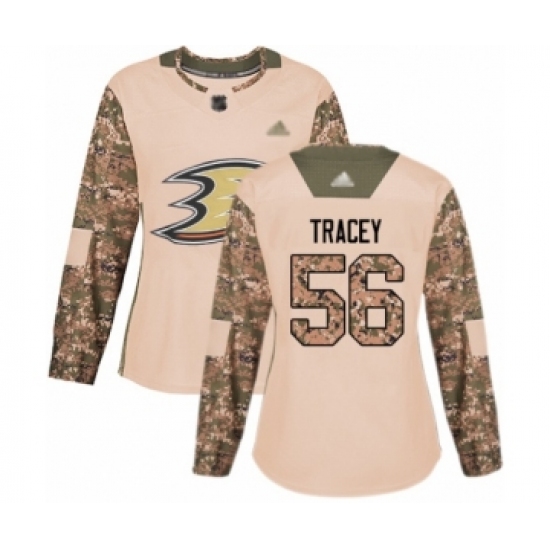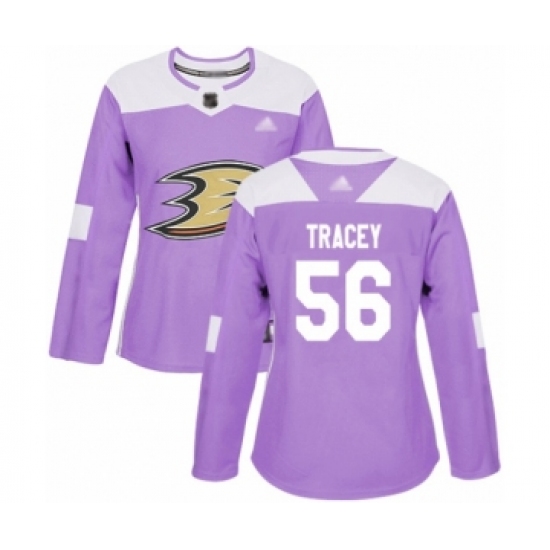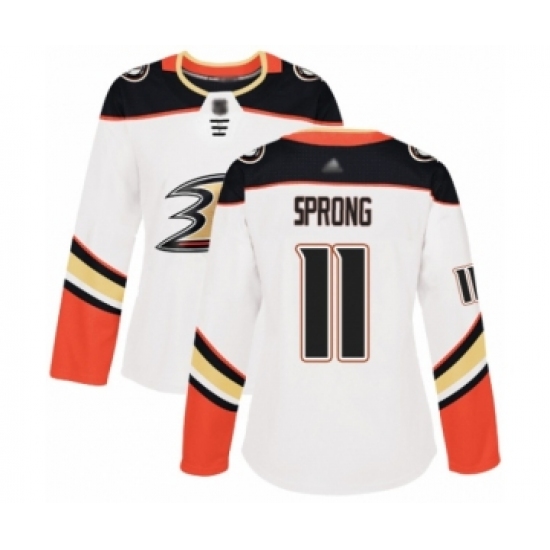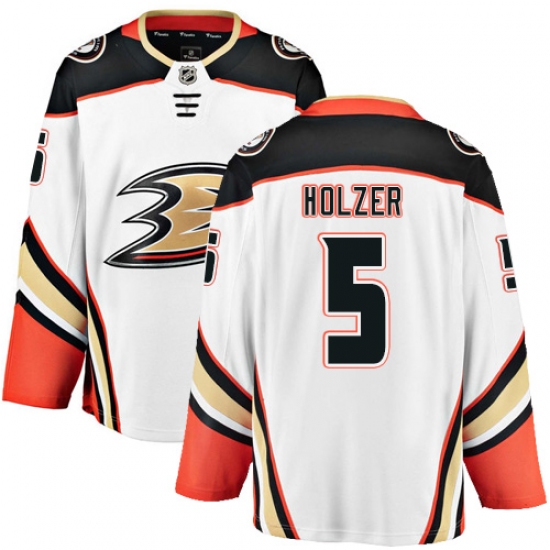
If you have wondered how much do NFL jerseys cost wholesale, the real answer comes down to three things: stitching method, order volume, and where the inventory physically sits. Buyers chasing $8 quotes end up with printed single-stitch knockoffs, thin 150 GSM fabric, and six-week ocean freight that misses the entire season. Resellers buying domestic stitched stock at $18 to $26 per unit are selling at $85 to $120 retail and reordering in days, not months.
Wholesale pricing is not one number. It is a ladder built on quantity breaks, and every legitimate supplier publishes that ladder because volume genuinely changes their landed cost. Below is the structure most US distributors work from on stitched adult jerseys.
- 10–49 units: $30–$34 per jersey
- 50–199 units: $24–$28 per jersey
- 200–499 units: $20–$23 per jersey
- 500+ units: $17.50–$19.50 per jersey
- Custom names/numbers: add $3–$6 per unit depending on stitch count
- Youth sizes: typically $2–$3 less per unit
Anyone quoting $10 for a fully stitched jersey with tackle twill numbers is either selling you a print-on-demand transfer or padding the freight line later. Ask for a landed-cost quote with duties and domestic delivery included before you compare.
Domestic warehousing is the part most international buyers underestimate. A container from overseas saves a few dollars per unit until you factor in 25–35 days of transit, customs delays, and the fact that you cannot reorder mid-season. Stadium shops and team stores do not wait. They reorder Thursday and restock Saturday.
The construction underneath the price tag matters more than the price tag. A jersey built for resale should start with 100% breathable polyester mesh in the 280–300 GSM range. That weight holds its shape through washing, hangs properly on a hanger, and does not go translucent under stadium lights the way 150 GSM fabric does.
Numbers and letters need to be double-stitched Tackle Twill — layered fabric appliqué, not a heat-pressed vinyl patch. Tackle twill is cut, layered, then zigzag-stitched around the perimeter with a second pass over stress points. That is why a properly built jersey survives pullovers, bench collisions, and forty washes without peeling.
Inside the jersey, look for a soft interior backing behind the embroidery. Cheap builders leave the stitching exposed, and the thread scratches skin through a t-shirt. A bonded backing layer costs the factory pennies and is the single clearest signal that a supplier is not cutting corners on the hidden parts.
The collar is where low-cost jerseys fail first. Reinforced collar bands with double-needle stitching stop the neckline from stretching into a scoop after a few wears. Check the shoulder seams and side vents too — a bar-tack at each stress point is standard on quality stock and absent on the cheap stuff.
If you are sourcing team programs or custom league orders, it helps to see the full bulk stitched NFL jerseys range before you commit to a size run, because availability on core teams changes weekly once the season starts.
Now the practical part: how to inspect a bulk order without opening every single bag. Use a sampling standard rather than a full count. Pull 10% of the cartons, and from each carton pull three jerseys at random.
- Collar stretch test: pull the neckline firmly, release, and confirm it snaps back with no rippling
- Stitch density check: count 8–10 stitches per inch on twill borders; looser means it will fray
- Backing check: run a finger behind the number — any exposed thread fails
- Symmetry check: measure both shoulder seams; more than a 1/4-inch difference is a reject
- Colorfastness: rub a damp white cloth on dark mesh; bleeding means the dye lot is unstable
- Label audit: confirm size tags, care tags, and woven jock tags match the purchase order
Run one wash test per order before you list the stock. Wash a sample inside out in cold water, tumble low, and inspect. If the numbers lift or the mesh pills after one cycle, the whole lot will do the same in your customers' hands, and returns will eat your margin faster than the original price difference ever could.
Reseller math is straightforward once you have real numbers. Buy at $22, sell at $89, and you are working with roughly a 4x markup before shipping and payment fees. That spread is what pays for ads, booth space, or league sponsorship. Shaving $3 off your cost per unit by ordering 100 more pieces is worth more than any discount code you will find on a retail site.
Sizing is where a lot of bulk buyers lose money. Always stock the middle heavy — adult medium through XL should be 65–70% of any reorder. Youth medium and large move fast for family buyers, and 2XL/3XL sell slowly but at full price, so keep them thin and reorder as needed rather than loading up.
Ask for a size chart with flat-lay measurements, not just S/M/L labels. Chest width, body length, and sleeve length in inches are what your customers actually compare against, and publishing those numbers on your listing cuts size-related returns dramatically.
Care instructions belong on your product page, not buried in a bag. Tell buyers to wash inside out in cold water, skip fabric softener, and air dry or tumble on low. Heat is what cracks vinyl and stiffens twill. A customer who washes correctly becomes a repeat customer; one who ruins a jersey in the dryer wants a refund.
Order timing drives more profit than price negotiation. Team apparel demand spikes hard around drafts, playoffs, and the first two weeks of the season. If your stock lands three weeks late, you are selling last season's story at a discount. Domestic suppliers with live inventory let you buy into the spike instead of guessing at it months ahead.
Payment terms and MOQ are the other two levers. A low minimum order quantity lets you test teams, colors, and size curves with real money instead of spreadsheets. Start with 20–30 units across three or four high-demand teams, measure what sells in fourteen days, then scale the winners hard.
Keep a written restock trigger for every SKU — for example, reorder when on-hand drops below three weeks of average sell-through. This single habit prevents both the dead-stock problem and the sold-out-during-peak problem, and it is the difference between a side hustle and a real wholesale account.
How much do NFL jerseys cost wholesale in small quantities?
Expect $30–$34 per stitched unit in the 10–49 range, dropping to $24–$28 at 50–199 units. Printed replicas cost less but do not hold retail value and rarely survive a season of wear.
Is there a real difference between stitched and printed jerseys?
Yes, and it shows up in resale value. Stitched tackle twill numbers are layered fabric sewn to the mesh, so they do not crack or peel. Printed numbers are a heat transfer that lifts at the edges after repeated washing.
What fabric should I look for in bulk mesh jerseys?
100% breathable polyester mesh at 280–300 GSM with reinforced collar bands and double-stitched seams. Ask for a fabric weight spec in writing and verify it with a sample before placing a large order.
How fast can bulk orders ship within the US?
In-stock domestic inventory typically ships within 24–48 hours, with ground delivery in two to five business days depending on the state. That turnaround is what lets you restock during a playoff run instead of missing it.
Ready to lock in pricing that leaves room for real profit? Browse the live stock, tiered quantity breaks, and low-MOQ options at shop the full NFL jersey catalog, or go straight to www.cheapjerseyswholesaleus.com to view the complete wholesale inventory. Orders ship from US warehouses, restocks move in days rather than weeks, and every tier is built to keep distributor margins healthy from the first case to the five-hundredth.