If you are sourcing stitched vs printed NFL jerseys for resale, the difference between a 40% and a 70% margin usually comes down to one purchasing decision. Cheap jerseys wholesale us buyers who understand construction, freight timing, and US-warehouse availability consistently outsell those chasing the lowest quoted unit price overseas.
Most resellers get burned in one of three ways: a supplier quotes $8 per jersey then ships thin 180 GSM mesh that tears at the shoulder seam, a container sits in customs for six weeks and misses the playoff rush, or the numbers are heat-pressed decals that peel after two washes and trigger returns. Every one of those problems is avoidable when you know what to inspect and where to buy.
Here is the honest breakdown from the wholesale side of the business.
Printed jerseys use heat-transfer vinyl or sublimated graphics fused onto the fabric surface. They are fast to produce, cost less per unit, and work fine for fan-tier retail under $30. The catch: the print sits on top of the mesh, so it cracks along fold lines, dulls after roughly 15-20 wash cycles, and cannot be repaired. If your customers are casual fans buying one jersey a season, printed is a legitimate product.
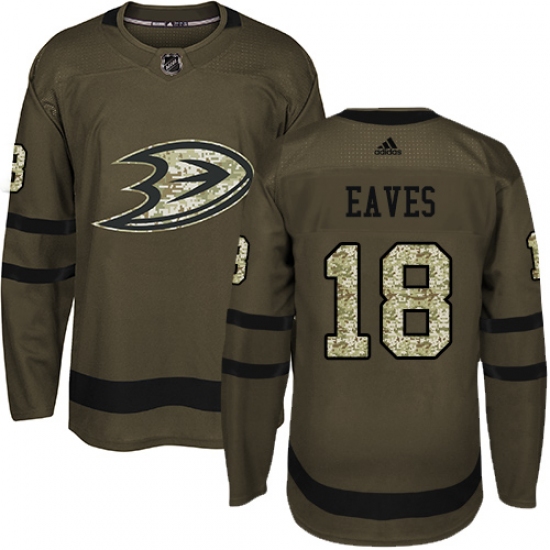
Stitched jerseys use Tackle Twill appliqué — layered fabric numbers and letters sewn onto the jersey body. On a proper build, that means double-stitched Tackle Twill numbers with consistent 8-10 stitches per inch, tight zigzag reinforcement at stress points, and no loose thread tails on the interior. This is the product that holds resale value, survives a full season of wear, and supports a $65-$110 retail price with room for you to stay profitable.
For B2B buyers, the real question is not which looks better. It is which one your market will reorder.
- Printed: lower landed cost, faster reorders, weak repeat purchase rate
- Stitched: higher unit cost, 3-5x repeat purchase rate, stronger margin per sale
- Hybrid (embroidered crest + printed nameplate): good middle tier for youth and practice sets
Wholesale buyers who move volume in team stores and league programs almost always migrate to stitched once they see return rates. Printed returns typically run 6-9% on apparel; stitched runs under 2% when the construction is right.
Where stitched product quality actually lives or dies is fabric weight and interior finishing. Ask for 100% breathable polyester mesh at 300 GSM minimum for game-tier jerseys. Anything under 220 GSM feels flimsy in hand, drapes poorly on a hanger, and shows every wrinkle in product photos.
Look for these construction details on your sample before you commit to a bulk order:
- Reinforced collar bands that resist stretching after repeated pull-over
- Soft interior backing behind the twill so the embroidery does not scratch the customer's skin
- Double-needle hem at the bottom and sleeve openings
- Bar-tacked stress points at the shoulder and side vents
- Color-matched thread — off-shade thread is the fastest tell of a low-grade build
Run a simple three-point QC on any incoming bulk shipment: weigh one jersey against the spec sheet, pull test the shoulder seam with firm tension, and check that every number is stitched rather than glued at the corners. Ten minutes of inspection on a 200-piece order saves thousands in returns.
This is where US-based wholesale stock beats direct-from-factory every time. When your inventory is already sitting in a US warehouse, you can order 50 pieces instead of 500, restock in days instead of months, and pivot to whichever team is hot that week. Playoff runs, trade deadline moves, and rookie breakouts all create sudden demand spikes. A supplier who cannot ship in 48 hours cannot capture that demand.
If you are building a reseller catalog across multiple leagues, start with bulk stitched NFL football jerseys cheap wholesale us as your anchor category. NFL reorders are the most predictable in the business, and the stitched tier carries the strongest margin.
League managers and team apparel buyers have a different problem. They need consistent sizing across 60-200 players, nameplate personalization that matches roster spelling exactly, and delivery before a fixed season start date. Bulk rosters should always be ordered with a size curve attached, not a flat distribution.
A practical size curve for adult team orders:
- S: 8%
- M: 22%
- L: 30%
- XL: 24%
- 2XL: 12%
- 3XL+: 4%
Youth programs skew smaller. For youth bulk orders, shift the curve toward S/M and order 10% extra in the middle sizes — youth players grow, and a too-small jersey becomes a return before the season ends.
Personalization is the other operational headache. Custom football jerseys with names and numbers require a locked roster before production, because changing a nameplate after the twill is cut means scrapping that piece. Collect final rosters, confirm spelling twice, and submit one consolidated order rather than three partial ones.
Cost control on stitched product comes down to three levers: order depth, category mix, and freight method. Deep orders on a single SKU reduce per-unit cost through setup efficiency. Mixing NFL, MLB, and NBA in one purchase unlocks tiered volume discounts. US-warehouse fulfillment removes air freight entirely from your cost model.
Tiered pricing typically looks like this across wholesale programs:
- 50-99 units: entry tier, best for testing a new market
- 100-299 units: mid tier, 8-14% lower unit cost
- 300-999 units: volume tier, 15-24% lower unit cost
- 1,000+ units: distributor tier, custom pricing and priority allocation
Do not over-order your first time. Fifty units across four or five teams tells you which SKUs move in your specific market faster than any sales data you can buy.
Sizing is the most common cause of returns in this category, and it is almost entirely preventable. Jerseys are not t-shirts. Fans buy them oversized intentionally, but they also expect the chest measurement on the tag to be accurate.
General jersey size chart for adult stitched product:
- S: 34-36" chest, 28" length
- M: 38-40" chest, 29.5" length
- L: 42-44" chest, 31" length
- XL: 46-48" chest, 32.5" length
- 2XL: 50-52" chest, 34" length
- 3XL: 54-56" chest, 35" length
Post a size guide on every product page. It costs nothing and typically cuts size-related returns by a third.
Care instructions matter too, because a cracked or faded jersey becomes a customer complaint that costs you a replacement. Tell your buyers exactly how to wash a stitched football jersey:
- Turn the jersey inside out before washing
- Cold water, gentle cycle, mild detergent — no bleach
- Never machine dry stitched jerseys; hang or lay flat to dry
- Iron on low heat only from the reverse side, never directly on twill
Skipping the dryer is the single best way to keep football jersey numbers from cracking, fading, or lifting at the corners. Heat is what breaks down the backing and thread tension over time.
Vintage and throwback styles deserve a separate note. Vintage embroidered football jerseys sell at a consistent premium because the buyer is usually a collector or a long-time fan, not a casual shopper. They accept fewer size options, care more about color accuracy and crest detail, and rarely return. If you can source accurate throwback designs in stitched construction, that is one of the highest-margin categories in the business.
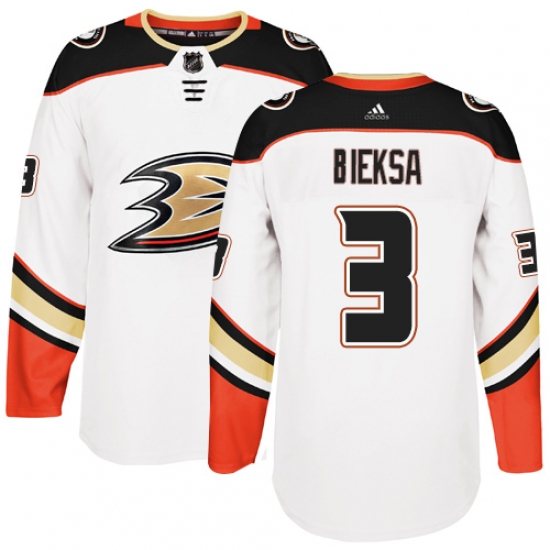
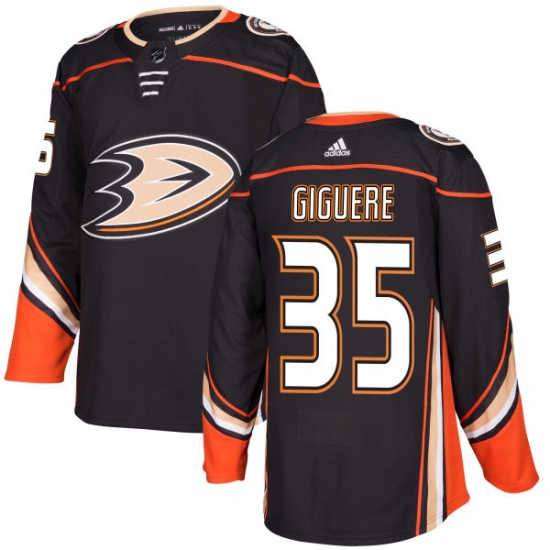
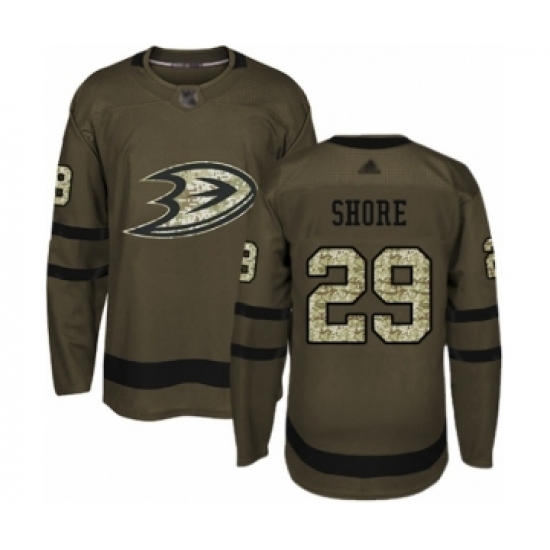
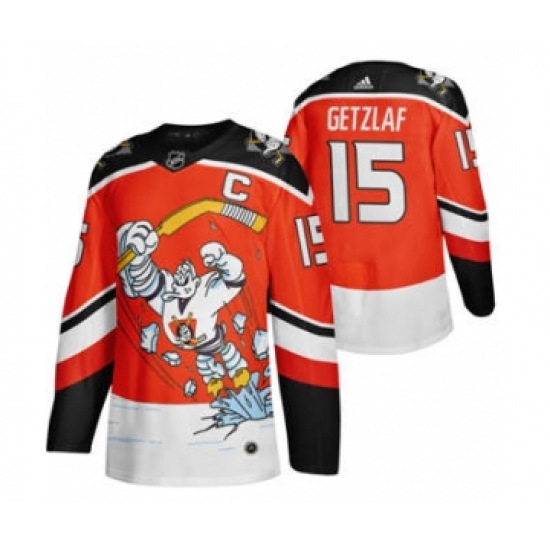
For multi-league resellers, do not limit yourself to one sport. A catalog that covers football, baseball, basketball, and hockey lets you sell year-round instead of riding one season. Baseball peaks spring through fall, basketball and hockey carry winter, football owns the fall. Four categories smooth out your cash flow.
When evaluating any wholesale supplier, ask four questions before you send a deposit. What is the exact GSM of the mesh? Is the twill double-stitched with interior backing? What is the actual ship time from a US warehouse? And what is the return policy on defective units? A supplier who cannot answer all four plainly is not a supplier you want on a season deadline.
Pricing transparency matters as well. Ask for a written tier sheet with unit costs by quantity band. Vague quotes like "we'll work with you on volume" usually mean the price changes once you have committed.
The margin math is straightforward. A stitched jersey landed at $18-$24 and sold at $65-$89 leaves $40-$65 of gross profit per unit. At 150 units a month, that is a real business. At 500 units a month with a repeat customer base, it becomes a distribution operation. The ceiling depends on how well you control sourcing and how fast you can restock.
Frequently Asked Questions
Are stitched jerseys worth the higher unit cost over printed?
Yes, for almost every resale scenario. Stitched jerseys command a $25-$40 higher retail price, return at a fraction of the rate, and generate repeat customers. Printed product only makes sense for entry-tier pricing or one-time event sales.
What is the minimum order for wholesale stitched jerseys?
Low MOQ programs typically start at 50 units, with tiered discounts kicking in at 100, 300, and 1,000 pieces. Starting at 50 lets you validate demand before committing to depth.
How fast does US-warehouse stock ship?
In-stock US inventory usually ships within 24-48 hours of order confirmation, which means domestic delivery in 3-6 business days. That is the main advantage over overseas production, which runs 30-60 days plus freight.
How do I check quality before placing a large bulk order?
Order one sample. Weigh it against the GSM spec, inspect the interior stitching for loose threads, pull test the shoulder seam, and wash it once inside out on cold. If it survives that, the bulk run will match.
Ready to lock in your season inventory? Browse the full in-stock catalog at www.cheapjerseyswholesaleus.com to see current team availability, tiered bulk pricing, and low-MOQ options across football, baseball, basketball, and hockey. Orders placed before 2 PM EST ship same or next business day from US warehouses, so you can restock fast and keep your shelves full through every playoff run.