If you are weighing stitched vs printed NFL jerseys for a bulk order, the wrong call shows up quickly — in returns, chargebacks, and dead inventory sitting in your storage unit well past the playoffs. Resellers searching for cheap jerseys wholesale in the US need a straight answer on which build survives retail handling, which one protects margin, and which one actually moves in volume.
The honest answer is that both builds have a place in a wholesale catalog, but they serve very different buyers. Printed jerseys win on entry price and fast turns for casual fans and youth league packages. Stitched jerseys win on perceived value, repeat customers, and the kind of resale markup that keeps a distributor in business after Q4.
Printed jerseys are built with dye sublimation or heat-transfer graphics pressed directly into or onto the fabric. On a decent 100% breathable polyester mesh, the print sits inside the fiber rather than on top of it, so it will not peel in normal wear. The tradeoff is tactile: buyers run their thumb across the chest and feel a flat surface with no depth.
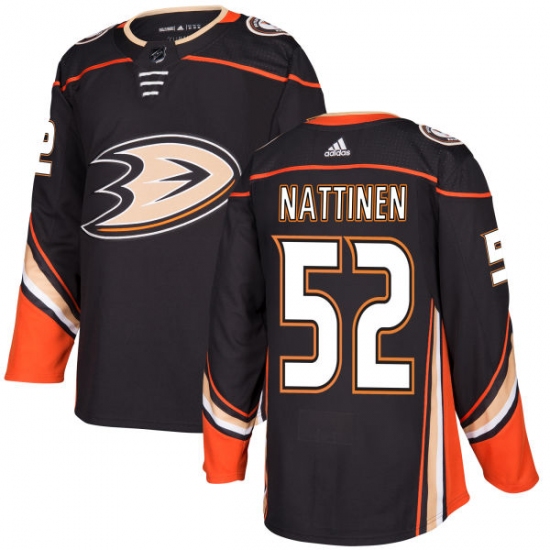
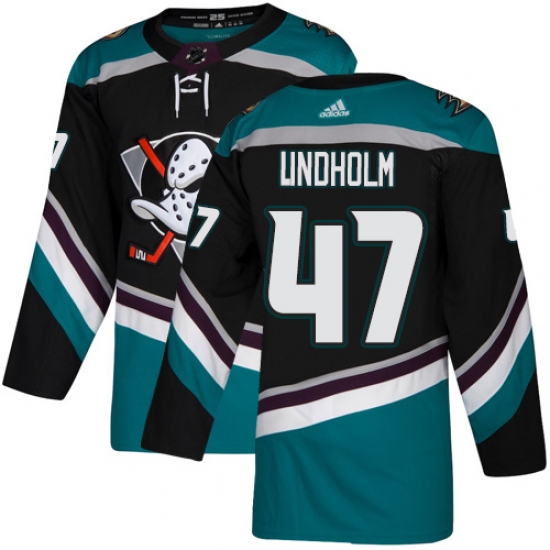
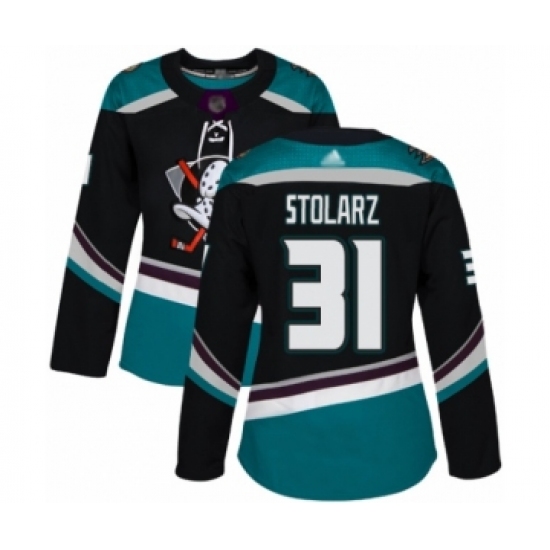
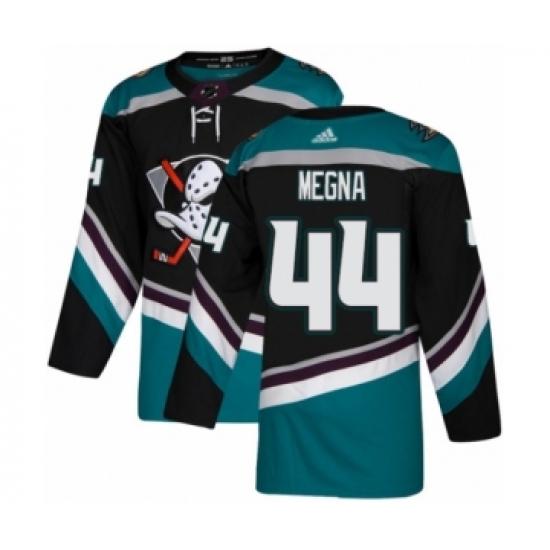
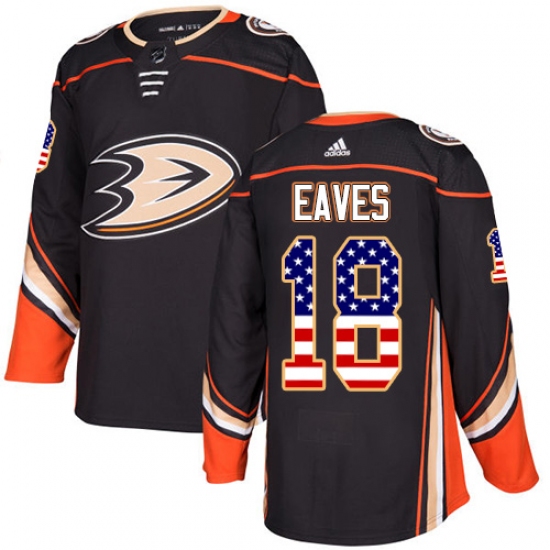
Stitched jerseys use layered Tackle Twill fabric cutouts sewn onto the mesh. Numbers and letters carry a raised, layered edge that reads as premium from three feet away — which is exactly the distance most customers judge from in a store or at a flea market table. That visible depth is the single biggest reason stitched inventory commands a higher retail ticket.
Fabric weight drives perception more than most buyers expect. A lightweight 180 GSM mesh feels flimsy in hand and photographs poorly, no matter how clean the print is. The serious build for resale is a 300 GSM heavyweight mesh with a dense knit that holds shape after repeated washing and does not go transparent when stretched.
Construction details are where cheap sourcing either holds up or falls apart. Any wholesale lot worth buying should carry double-stitched Tackle Twill numbers, a soft interior backing so the embroidery never scratches the wearer, reinforced collar bands that keep their shape, and Z-stitch bar tacks at every stress point on the shoulder and side seams.
Those four specs are also the fastest way to separate real wholesale stock from repackaged junk. If a supplier cannot confirm mesh weight, stitch type, and interior backing in writing, you are buying blind — and blind buying is how resellers end up with a 60-unit lot of jerseys that pill after two washes. Serious buyers ask for the spec sheet before they ask for the price.
This is the point where domestic sourcing changes the math. Working with a US-based operation like cheap jerseys wholesale us stitched NFL jerseys means the stock is already stateside, already inspected, and already priced against container-level factory rates instead of one-off retail markup. You are not paying for a middleman's air freight.
Run the numbers on a realistic order. If a stitched jersey lands in your hands at a wholesale rate that leaves room for a 2.5x to 3x retail multiple, you can discount during slow weeks and still keep healthy margin. Printed inventory typically supports a thinner multiple because the customer knows exactly what they are looking at and shops on price alone.
A useful rule for league and team buyers: printed for practice sets, stitched for game-day and fan retail. Practice jerseys take abuse in rotation and get replaced annually, so print economics make sense. Game-day uniforms and anything sold to fans should be stitched, because that is what justifies the price tag on the hang tag.
Quality control on a bulk lot should follow a fixed checklist, not a gut feel. Pull at least 10% of units at random and inspect every one against the same criteria:
- Mesh weight: confirm 300 GSM feel — no see-through when held to light.
- Number edges: stitched borders must be even, with no puckering or loose thread tails.
- Interior backing: run a finger inside the chest and shoulders; the back of the embroidery must be smooth.
- Collar band: stretch it once — reinforced ribbing should snap back flat.
- Flat measurement: chest, body length, and sleeve within tolerance across three size runs.
- Color matching: dye lots must match across the full order, especially on team colors.
Any lot that fails two or more of those checks should be rejected before it ships, not after your customers open the box. This is where a domestic supplier earns its keep — inspection happens on US soil, so a bad batch never becomes your problem three weeks into a season.
Turnaround speed is the other half of the margin equation. Football season, playoff runs, and school sports calendars are brutally short windows. Inventory that arrives by ocean freight eight weeks late is not cheap, it is expensive dead stock. Stateside warehousing lets you reorder mid-season in days and top up hot sizes while demand is still live.
Size distribution is where inexperienced buyers lose the most money. Fan jerseys skew toward the middle of the range, but a real size chart matters when you build a mixed case:
- S–M: youth leagues, smaller-framed buyers, roughly 15% of a typical case.
- L–XL: the core of any order, plan for 55% to 60%.
- 2XL–3XL: consistent sell-through at a higher ticket, budget 20% to 25%.
- 4XL and up: 5% or less, but keep a small count for repeat buyers.
Always confirm whether a supplier measures flat or on-body before you publish sizes to your own customers. A jersey listed at 44 inches chest flat and one listed at 44 inches worn are two different garments, and that mismatch is a top driver of returns.
Teach your customers basic care and your return rate drops on its own. Machine wash stitched jerseys cold, inside out, on a gentle cycle, and never let a dryer touch them. Heat is what cracks printed graphics and shrinks mesh. Hang dry flat, and iron only the back of the fabric on low if wrinkles matter for a photo or a retail display.
Fake-detection matters for resale credibility too. Counterfeit jerseys usually expose themselves at the stitching: single-stitched numbers with visible glue residue, backing that scratches, collars that curl after one wash, and mesh so thin you can read a hand through it. When your stock passes those same tests, you can say so with confidence and charge accordingly.
For buyers who want one clean source across categories, the same factory standards apply to every sport, which keeps your QC process consistent instead of re-learning a new supplier every season. Consistent specs mean consistent reviews, and consistent reviews are what let a reseller raise prices without losing volume.
Q: How much do NFL jerseys cost wholesale?
A: Landed wholesale pricing depends on mesh weight, stitch type, and order volume. Stitched 300 GSM builds cost more per unit than printed, but the retail multiple is wider, so margin per sale is usually stronger despite the higher buy-in.
Q: How do I wash a stitched football jersey without ruining the numbers?
A: Cold water, inside out, gentle cycle, mild detergent, no bleach, no dryer. Hang dry immediately. Skipping the dryer is the single biggest factor in keeping Tackle Twill numbers flat and stitched edges intact.
Q: What should I check first when a bulk order arrives?
A: Spot-check 10% of units for mesh weight, stitch quality, interior backing, collar shape, flat measurements, and color consistency across dye lots. Reject failing lots before they reach your customers.
Q: Is a printed jersey ever the better buy?
A: Yes — youth practice sets, rec leagues, and price-sensitive fan channels. If the buyer cares about the lowest possible ticket price and regular replacement, printed stock moves faster and ties up less cash.
Ready to build a mixed case that holds its margin through the whole season? Head to www.cheapjerseyswholesaleus.com to view live US warehouse stock, tiered bulk discounts, and low-MOQ starter packs. Domestic inventory ships fast, specs are documented up front, and every lot is priced so distributors keep real profit on the resale — not just a thin markup on freight.