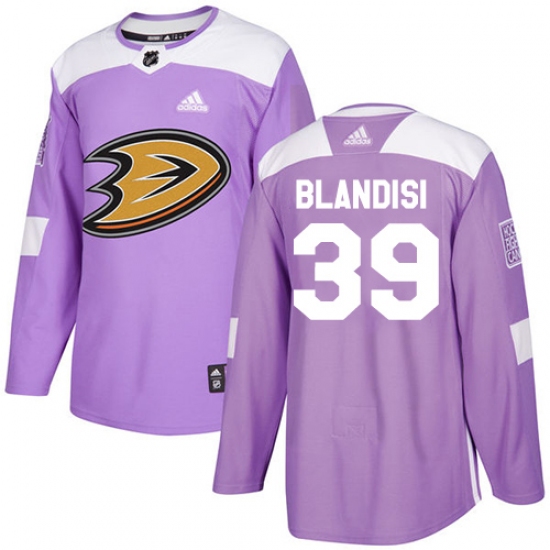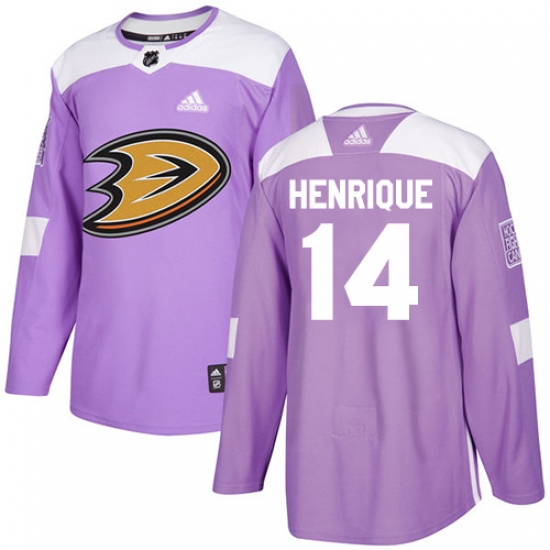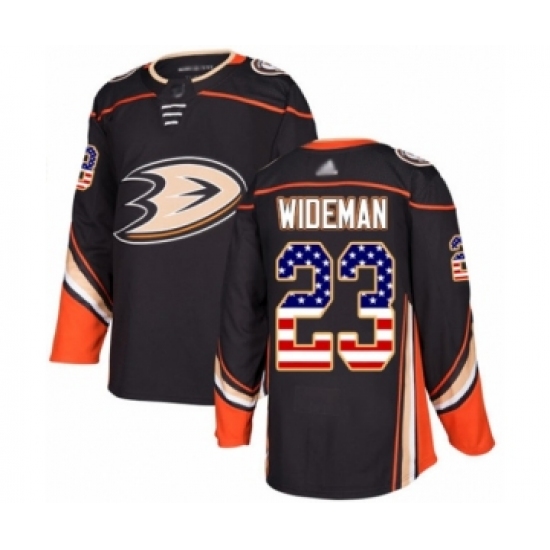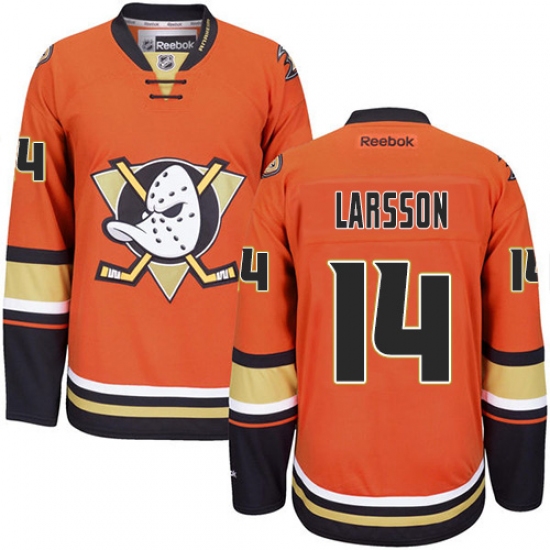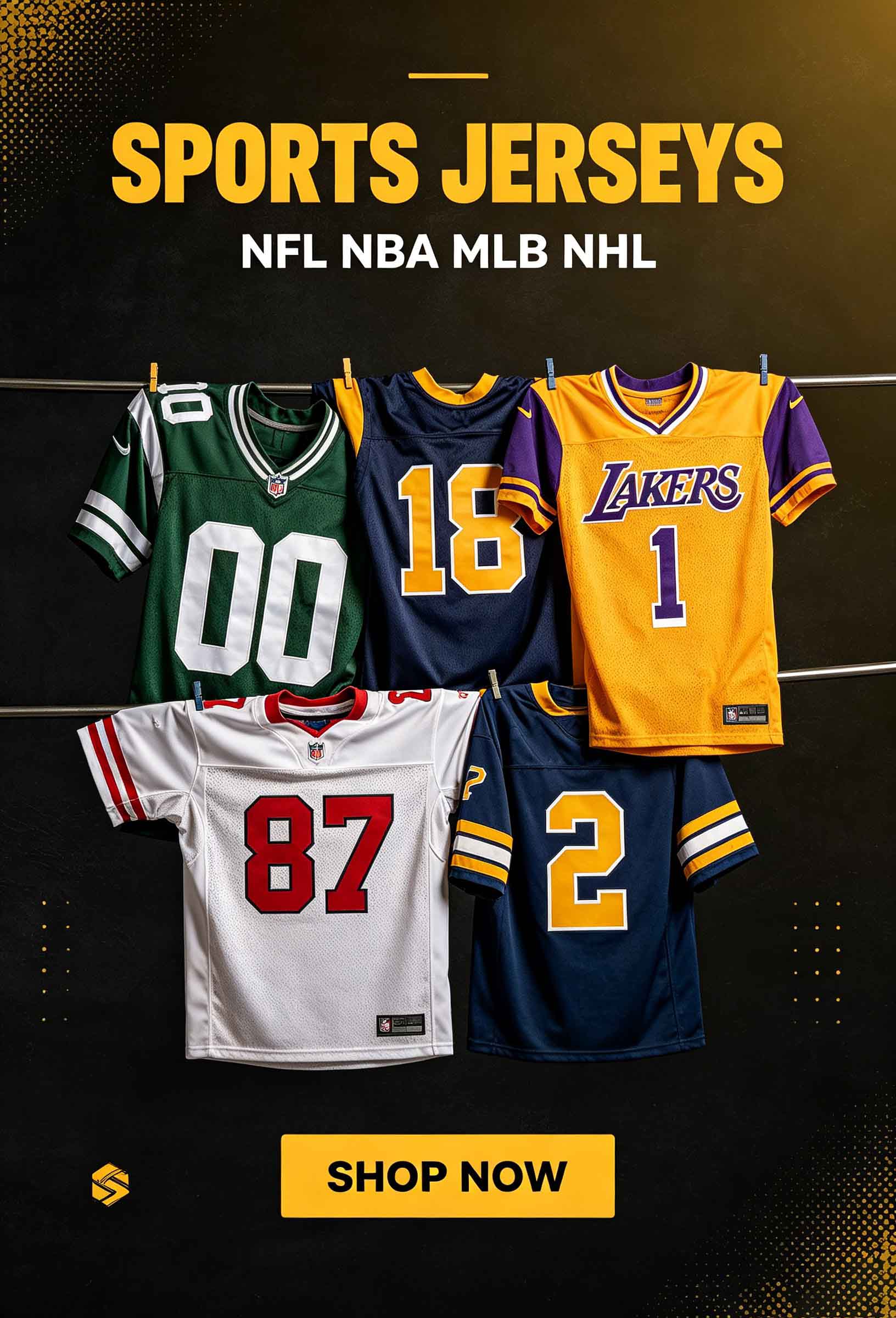
If you run a team store, a league concession stand, or a reseller Facebook page, you have asked yourself how much do NFL jerseys cost wholesale more than once. The honest answer is that the number swings between $9 and $30 per unit depending on fabric weight, decoration method, and whether your supplier ships from a US warehouse or a slow overseas bin. Anyone quoting you $6 landed for a 300 GSM stitched jersey is either lying or cutting the interior lining to save four cents.
This breakdown comes from a decade on the supply side — cutting tickets, warehouse dock schedules, and container math. You will get the actual price bands, the physical specs that justify them, and the QC points to check before you wire a deposit.
Wholesale price is not one number. It is three decisions stacked on top of each other: fabric, decoration, and logistics. Get those wrong and you either overpay by 40% or you sell a jersey that comes back as a chargeback two weeks into the season.
- Fabric: 300 GSM heavyweight polyester mesh costs roughly 25-35% more than the 180-200 GSM thin mesh used on budget blanks.
- Decoration: double-stitched Tackle Twill appliqué runs $3.50-$6.00 per jersey in labor; heat-pressed vinyl runs under $1.50.
- Logistics: US-warehouse stock adds a small handling margin but removes 18-30 days of transit risk and per-unit air freight.
Here is the realistic landed cost window for a legitimate wholesale order in the 100-299 unit range. Printed single-layer jersey: $9-$14. Stitched jersey with sewn numbers and a sewn nameplate: $17-$26. Authentic-grade heavyweight with reinforced collar bands and soft interior backing: $22-$30.
Those numbers move fast once volume climbs. Most US distributors publish tiers rather than flat pricing, and the spread between the first tier and the top tier is usually 15-22%.
- 25-49 units: base wholesale tier, best for testing a market.
- 50-99 units: 5-8% off base, common for single-team boosters.
- 100-299 units: 12-15% off base, the sweet spot for league managers.
- 300+ units: 18-22% off base plus freight consolidation and mixed-size cartons.
The single biggest hidden cost in cheap jerseys is not the jersey — it is the wait. A $13 jersey that arrives three weeks after the playoffs is a $13 loss. That is why domestic stock matters more than the last dollar of unit price.
US-held inventory means you can reorder 40 pieces on a Tuesday and have them on a table by Friday. For resellers chasing a rivalry weekend or a local championship run, that speed is worth more than the 80 cents you save buying direct from overseas. It also means one freight bill, one customs entry, and one return address.
When you are comparing suppliers on stitched NFL jerseys, ask for a physical sample before you ask for a quote sheet. Anyone can email a photo. Very few can send you a garment with tight embroidery and a clean backside.
The construction details are where a $19 wholesale jersey separates itself from a $19 fake. Look for 100% breathable polyester mesh as the shell, with a weight between 260 and 310 GSM for adult sizing. The numbers and letters should be double-stitched Tackle Twill, layered in two or three color tiers, with even satin stitching and no puckering at the corners.
Flip the jersey inside out. A real wholesale-grade garment carries a soft interior backing behind every embroidered number, so the thread never scratches the wearer's skin. The collar should have reinforced collar bands with zig-zag edge stitching, not a single straight seam that pops after three washes.
- Weight check: 280-310 GSM for adult, 200-240 GSM for youth.
- Stitch density: 8-10 stitches per inch on twill borders.
- Backing: soft fusible interlining behind all sewn numbers.
- Collar: reinforced band, ribbed, with lock-stitch finish.
- Side panels: four-way stretch inserts for shoulder movement.
- Hem: drop tail with double-fold stitching, no loose thread tails.
Run your sample through an abusive wash before you commit. One hot cycle at 140°F and a tumble dry will expose bad interfacing, shrinking nameplates, and cracking thread faster than any inspection form.
Youth programs are the fastest-growing bulk segment right now, and the sizing mistakes are brutal. A youth XL is not an adult small. If you buy 60 youth jerseys in one size, you will sit on 25 of them until next season.
- Youth S (8): 26" chest, 20" length
- Youth M (10-12): 30" chest, 22" length
- Youth L (14-16): 34" chest, 24" length
- Youth XL (18-20): 38" chest, 26" length
- Adult S-M-L: 40" / 44" / 48" chest, 30"-31" length
- Adult XL-2XL: 52" / 56" chest, 32"-33" length
Order youth sizes in a bell curve — 15% small, 30% medium, 30% large, 25% XL. Adult orders skew the opposite way, with M and L carrying 55-60% of total volume.
Negotiating leverage in this market is simple: consistency beats one-off size. A supplier will protect pricing for a buyer who orders every quarter far more aggressively than for someone who dumps one 400-unit order and disappears. Ask for locked pricing across two reorder cycles and a size-mix guarantee instead of another 3% off.
Payment terms matter too. Standard terms are 30% deposit and 70% before dispatch for first orders, then net-15 or net-30 once you have three clean invoices. Never pay 100% upfront to a supplier whose warehouse address you cannot verify.
Care instructions protect your margin on the back end. Roughly one in twelve returns on stitched jerseys comes from a customer who washed it wrong, not from a defect. Print a small care card and slip it in every poly bag.
- Turn the jersey inside out before washing.
- Cold water, gentle cycle, mild detergent, no bleach.
- Never tumble dry stitched numbers — hang dry or lay flat.
- Iron on low from the reverse side only, never directly on twill.
- Skip fabric softener; it breaks down the moisture-wicking finish.
Stitched versus printed comes down to your customer, not your budget. Printed single-layer jerseys move fast at $35-$45 retail for casual fans and youth leagues. Sewn numbers and names justify $75-$120 retail and hold perceived value through the whole season.
Do not mix them in the same listing without labeling clearly. Buyers who pay stitched money and receive a printed jersey will post about it, and that post costs you more than the margin difference.
Run the margin math before you commit to a tier. A 150-unit order at $19 landed, sold at $54 average retail, produces roughly $5,250 gross profit after a 10% shrink and return allowance. Bump the tier to 300 units at $16.50 landed and the same sell-through adds about $1,400 on the same shelf space.
Season timing decides your reorder schedule. NFL demand spikes from late August through Week 6, dips in October, and spikes again in December for playoff runs. Place your first bulk order in June or early July so your stock clears the dock before the preseason hype. Second reorder lands late November.
One more thing: always request mixed cartons. A carton of 40 jerseys in a single size is dead weight. A carton of 40 in a 6-10-12-8-4 size split sells through in days.
Frequently Asked Questions
Is a $12 stitched jersey real or a fake?
At 100+ units, $17-$24 is normal for genuine stitched wholesale. Anything under $12 stitched is usually thin 180 GSM mesh with glued-on twill or single-stitch borders. Demand a sample and a GSM spec sheet before you buy.
What is the minimum order for custom names and numbers?
Most wholesale suppliers start custom sewing at 25-50 units, with lower per-unit pricing kicking in at 100. Exact-match roster sets and custom nameplates typically need artwork approved 10-14 days before dispatch.
How long does US warehouse shipping take?
In-stock sizes ship in 1-2 business days from a domestic facility, with ground delivery in 2-5 days depending on the state. Custom-sewn orders add 7-12 production days on top of stock handling.
Can I mix teams and sizes in one bulk order?
Yes, and you should. Mixed-team, mixed-size cartons hit price tiers faster and let you test multiple markets without locking into a size curve you cannot sell.
Stop guessing at price sheets. The full wholesale catalog, current tier pricing, GSM specs, and US stock counts are all published at Cheap Jerseys Wholesale US, with low MOQ entry points, tiered bulk discounts, and same-week domestic dispatch. Pull a sample, run your own wash test, and lock your season pricing before the August rush takes the good sizes.