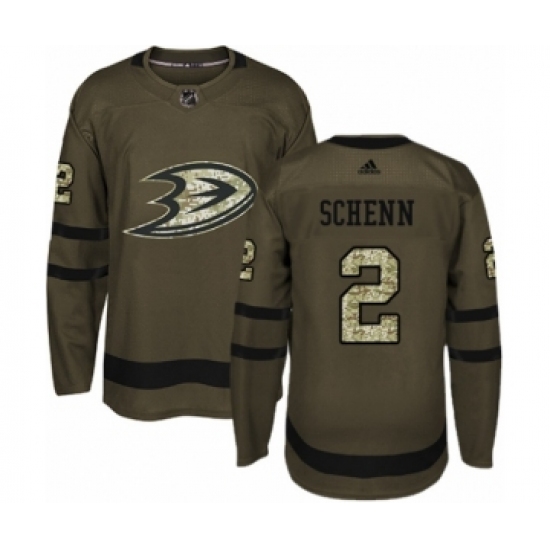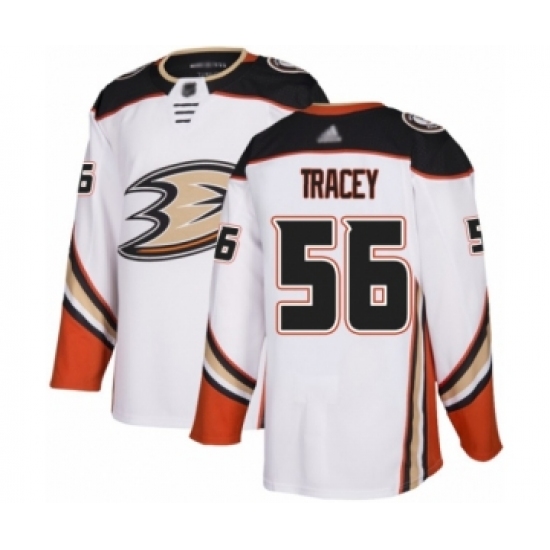
How much do NFL jerseys cost wholesale in the US comes down to three variables: fabric weight, decoration method, and whether your supplier ships from a domestic warehouse or a foreign port. Most buyers asking that question are really asking whether they can buy low enough to protect retail margin without gambling on tissue-thin mesh and glued-on numbers that come back as returns. The straight answer: a properly built stitched jersey lands between $16 and $24 per unit at bulk volume, and any quote under $10 is cutting something you will pay for later.
Cheap and badly made are not the same thing. The gap between a $9 jersey and a $19 jersey is roughly 120 grams of fabric, a few thousand zig-zag stitches, and a warehouse on US soil instead of a 45-day ocean freight wait.
Start with fabric weight. A true pro-grade body uses 300 GSM heavyweight mesh — 100% breathable polyester mesh with a visible perforation pattern that moves air and holds shape after 40 wash cycles. Lightweight 180 GSM knit drapes flat, clings to the torso, and shows every crease under stadium lighting. Ask your supplier for a GSM spec sheet and a physical swatch before you wire a deposit.
Decoration is the second cost driver. Double-stitched Tackle Twill numbers are cut from layered polyester twill, then sewn — not heat-pressed. A single-layer printed number costs the factory under a dollar. A three-color sewn tackle twill number takes 12 to 18 minutes of machine time. That time is the reason a real stitched jersey can never wholesale for $8, and it is also the reason your customers will pay $70 at retail.
Look inside the jersey before you look at the logo. Soft interior backing behind every embroidered number and nameplate keeps loose thread ends from scratching the wearer's back. Without it, cheap jerseys feel like sandpaper after 20 minutes and end up as negative reviews. Reinforced collar bands with a ribbed knit insert should also be standard — a flimsy collar rolls into a tube on the first wash.
Check the stitching density, not just the presence of stitching. Professional output runs 8 to 10 stitches per inch on the shoulder yoke and armhole seams, with lock-stitch reinforcement at every stress point. Cheap builds use a single overlock pass that unravels the moment a linebacker grabs a shoulder pad.
Now the logistics side, which is where most buyers lose money without realizing it. A container order from overseas at $11 per unit sounds great until you add $3.50 freight, 12% duty, port fees, and four weeks of warehousing before a single jersey ships. Landed cost creeps to $17 or $18, and you are still waiting while the season opener sells out.
Domestic stock changes the math. US-warehouse suppliers ship in 2 to 4 business days, no customs brokerage, no ocean delay, and you can reorder 60 pieces mid-season instead of committing to 600 in March. That flexibility is worth more than a $2 unit discount.
Here is a realistic bulk price ladder for stitched NFL jerseys from a US warehouse, mixed teams and sizes allowed:
- 10–49 pieces: $24.50 per unit
- 50–149 pieces: $21.00 per unit
- 150–499 pieces: $18.75 per unit
- 500+ pieces: $16.25 per unit
Run the retail math. Buy at $18.75, sell at $64.99, and you clear roughly $46 per unit before card fees and shipping. Even at a discount-retail price of $49.99, you are still holding a 2.6x markup on product cost — a margin structure almost impossible to hit when your landed cost is $27 because you bought 40 pieces from a middleman.
Assortment planning matters more than most resellers admit. Roughly 55% of your order should be size L and XL, 25% M, 12% S, and 8% split between 2XL and 3XL. Big sizes cost the factory more fabric, so expect a $2 to $3 upcharge on 2XL and up — negotiate that into the tier price up front instead of discovering it on the invoice.
Before you commit to any supplier of stitched NFL jerseys, run this inspection checklist on a 10-piece sample order:
- Weigh the body — a men's size L should land near 300 GSM, roughly 340–370 grams assembled
- Count stitches per inch at the shoulder seam and armhole (8–10 minimum)
- Pull each twill number edge firmly; nothing should lift or fray
- Wash one unit inside out in cold water and check for color bleed and collar roll
- Measure chest width against the spec sheet — tolerance is ±0.5 inch, not ±1.5
- Inspect the interior backing for exposed thread knots
Reject a lot if more than 2.5% of units fail any one of those checks. AQL 2.5 is the industry floor for apparel, and any supplier who pushes back on that standard is telling you something about their QC line.
Red flags to walk away from: no GSM specification on the spec sheet, "same as picture" instead of a real factory photo, prices that drop another 30% the moment you hesitate, and no domestic return address for damaged lots. Legitimate wholesale operations publish their tier pricing and stand behind defect claims within 15 days.
Pass this care guidance to your retail customers and your return rate drops noticeably. Wash the jersey inside out in cold water on a gentle cycle, skip fabric softener entirely — it coats polyester fibers and dulls twill color — and hang dry instead of machine drying. Never iron directly on sewn numbers; press a cotton towel over the twill on low heat if wrinkles matter.
For league and team buyers, custom runs are the higher-margin play. Personalization with names and numbers usually adds $4 to $7 per unit depending on letter count and thread colors, while retail price jumps $15 to $20. Most domestic suppliers hold a 10-piece minimum on customs, which lets a rec league outfit four full rosters without tying up six figures in inventory.
Volume discounting is also worth structuring, not just asking about. Suppliers respond better to a committed annual volume than to a one-time big order. If you can forecast 1,200 units across a season, ask for tier pricing locked for 12 months and a standing reserved stock allocation for your top five teams.
On turnaround, confirm in writing what "in stock" means. A real US warehouse ships same-day on orders placed before 2 PM EST and can split-ship partial orders when one team's size runs thin. Vague language like "ships within 7 to 10 business days" usually means the goods are still on a vessel.
Q: How much do NFL jerseys cost wholesale at the lowest volume?
A: Expect $23 to $25 per stitched unit at 10 to 49 pieces. That entry tier still ships from US stock in 2 to 4 days, so you can test a market with $250 in capital instead of a $5,000 container commitment.
Q: Why are stitched jerseys so much more expensive than printed ones?
A: Sewn tackle twill takes 12 to 18 minutes of machine time per jersey versus seconds for heat-press printing. The material cost is also higher — layered twill versus a transfer film. The payoff is durability and perceived value, which supports a $60-plus retail price.
Q: Can I mix teams and sizes in one bulk order?
A: Yes, and you should. Mixed-team assortments let you test demand across four or five markets without committing deep on any single roster. Most US suppliers let you break a 150-piece order into 15-piece team blocks with a standard size curve.
Q: What MOQ applies to custom names and numbers?
A: Typically 10 pieces per design for domestic customization, with per-letter charges running $0.75 to $1.25. Bulk runs above 100 custom units usually negotiate that down to a flat per-jersey fee.
If you are ready to stop guessing at margins, browse the full NFL wholesale catalog to see live stock, tier pricing, and size availability. Orders ship from US warehouses in 2 to 4 business days, MOQ starts at 10 pieces, and volume buyers get locked-in tier discounts with reserved stock through the season. Compare the landed cost against your current supplier once — the spreadsheet usually makes the decision for you.