Choosing between stitched vs printed NFL jerseys sets the tone for your entire season, because that one call decides your landed cost, your shelf price, and how many returns you eat after the playoffs. Get it right and units move on their own. Get it wrong and you are discounting dead stock in week fourteen.
Here is the short version. Printed jerseys apply graphics to a mesh blank through heat transfer or screen print. Stitched jerseys sew layered fabric — usually twill — directly onto the body and sleeves. That difference is not cosmetic. It changes weight, drape, durability, and how a customer feels the second they pull the garment out of the poly bag.
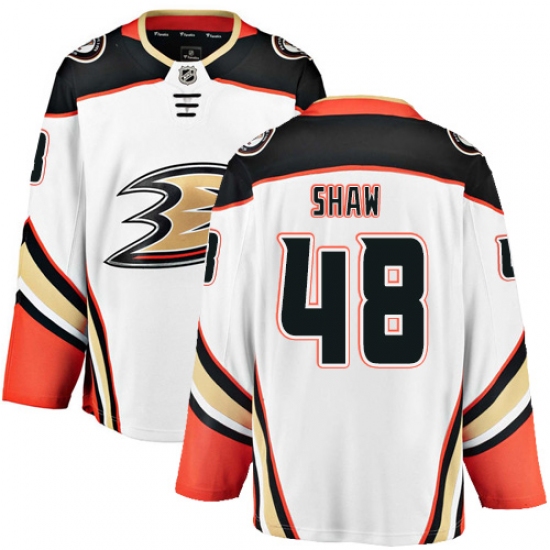
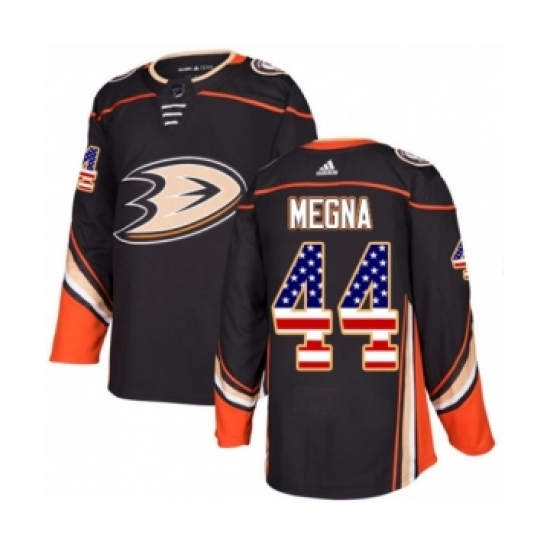
Printed builds win on cost. They fit youth programs, promo giveaways, practice sets, and budget racks where the buyer wants the look at the lowest possible ticket. Expect lighter fabric, flatter numbers, and a lifespan measured in seasons, not years.
Stitched builds win on perceived value. When a customer runs a thumb across a Tackle Twill number, they read the jersey as premium before they ever check the tag. That reaction is the reason a reseller can price a stitched jersey at two or three times the wholesale unit cost without a single argument at the register.
So the honest answer is that both belong in your catalog — just not in the same size run or the same price tier. Smart buyers split an order: printed for volume and entry price, stitched for the customers who came in to spend.
Now the part most suppliers will not explain. A stitched jersey is only worth the extra cost if the construction actually holds up. Thread that pulls after two washes turns a premium sale into a chargeback, and that is where cheap sourcing gets expensive fast.
Every stitched NFL jersey we ship is built on 100% breathable polyester mesh at roughly 300 GSM. That weight gives the jersey body without turning it into a sauna, and the open mesh channels let heat escape during a summer tailgate or an indoor watch party.
Numbers and letters are cut from double-stitched Tackle Twill. Two passes of thread, tight stitch density, no floating edges. A single-stitched number can lift at the corner after repeated washing. A double-stitched number keeps its shape through a full season of wear.
Behind every embroidered number sits a soft interior backing. This layer covers thread ends and stiff twill edges so nothing scratches the wearer's ribs. If you have ever pulled on a cheap jersey and felt a rough knot digging into your back, you know exactly what that backing is preventing.
Collars carry reinforced collar bands so the neckline does not stretch into a wavy mess after the first machine wash. Shoulder and side seams get a Z-stitch reinforcement run — a zigzag lock that resists the stress points where jersey fabric normally blows out.
If you are stocking a team store or outfitting a league, this is the construction level to insist on. You can review the full spec sheet and current stock on our bulk stitched NFL jerseys page before you commit to a size breakdown.
When samples land, run three checks before you approve a bulk run. First, weigh the jersey. Anything under 280 GSM will feel thin and see-through against light. Second, count stitches per inch at the number edge — 8 to 10 per inch is the standard for a clean Tackle Twill application. Third, pull the collar and each sleeve seam with moderate force. If you hear thread snap, the run is not ready.
Look inside the jersey too. Flip it and check the backing panel coverage. A properly backed number is fully covered edge to edge, with no loose thread tails hanging into the body. Trimmed tails are fine. Long, tangled tails mean the finishing station rushed the job.
- Mesh weight: 300 GSM breathable polyester, holds shape, resists snagging
- Number type: double-stitched Tackle Twill, layered fabric, not printed film
- Interior: soft backing panel behind every embroidered element
- Collar: reinforced band, ribbed, no stretch-out after washing
- Seams: Z-stitch reinforcement at shoulders, armholes, and side splits
- Size run: youth through 3XL, plus custom name and number programs
Color matching is the other quiet profit killer. Ask for a photo of the finished run next to a Pantone reference before it ships. Navy that reads purple under store lighting, or a red that shifts orange, will cost you returns even when the stitching is perfect.
Sizing deserves its own conversation with your customers. NFL cuts run generous through the chest and shoulders, so a buyer who normally wears a large often fits a medium comfortably. Post a clear size chart with chest width and body length in inches, and returns drop noticeably. Youth sizing moves fast in school markets — stock the middle youth sizes deeper than the extremes.
Care instructions belong on a card in every package. Tell buyers to wash inside out in cold water, skip bleach and fabric softener, and never let the dryer touch a stitched number. Heat is what cracks twill and dulls thread. Hang dry, and the jersey keeps its shape for years.
For printed jerseys, add one extra note: avoid ironing directly on the graphic. A pressing cloth and low heat protect the transfer. Pass that tip to your retail customers and you will cut the most common complaint in the category before it reaches your inbox.
Margin math is straightforward once you separate the two tiers. A printed jersey at the low end lets you hit a sharp retail price and still clear a healthy spread at volume. A stitched jersey costs more per unit but carries a much higher ceiling, because customers compare it to what they see in stadium shops rather than what they see on a discount rack.
Split your buy roughly 60/40 in favor of the tier your market actually asks for, then adjust after the first full month of sell-through data. League managers usually want stitched for on-field identity and printed for practice and fan merch. Team stores want stitched up front and printed in the youth section.
Domestic warehousing is where the real speed advantage lives. Product shipping from US stock clears in days, not weeks, so a restock order lands before a mid-season rush instead of after it. There is no customs hold, no ocean freight window, and no guessing on arrival dates when a league needs forty matching sets by Saturday.
Payment and quantity terms stay flexible for resellers. Low minimums let a new buyer test a market without tying up capital in a full container, and tiered pricing kicks in as order volume climbs. Ask about the break points before you finalize a count — moving from 50 units to 100 often changes your per-unit cost more than any negotiation on a single sample.
Keep two or three core colors deep in stock and treat the rest as fill-in. Deep inventory on popular sizes and colors is what keeps reorders simple, and simple reorders are what turn a one-time bulk purchase into a repeat account.
Q: Is stitched always better than printed?
A: Not for every customer. Stitched wins on durability and resale value. Printed wins on price and speed for youth, practice, and promo orders. Stock both and let the customer's budget decide.
Q: What GSM should I look for in a wholesale NFL jersey?
A: Look for 280 to 300 GSM breathable polyester mesh. Under 280 GSM the fabric feels thin and shows through. Around 300 GSM gives you structure, drape, and a premium hand feel without overheating.
Q: How do I check stitch quality on a sample?
A: Count 8 to 10 stitches per inch at the number edge, tug every seam, flip the jersey to confirm full interior backing coverage, and check that collar bands snap back after stretching. Fail on any of those and request a corrected sample.
Q: How should customers wash a stitched jersey?
A: Cold water, inside out, mild detergent, no bleach or softener, and hang dry. Skip the dryer entirely — heat is the main cause of cracked twill and lifted thread.
Ready to lock in your size run? Head to Cheap Jerseys Wholesale US to browse live stock, check tiered bulk pricing, and place a low-minimum test order. Domestic shipping moves fast, restocks land in days, and every stitched build ships with the mesh weight, Tackle Twill numbers, and reinforced construction your customers will notice on the first wear.