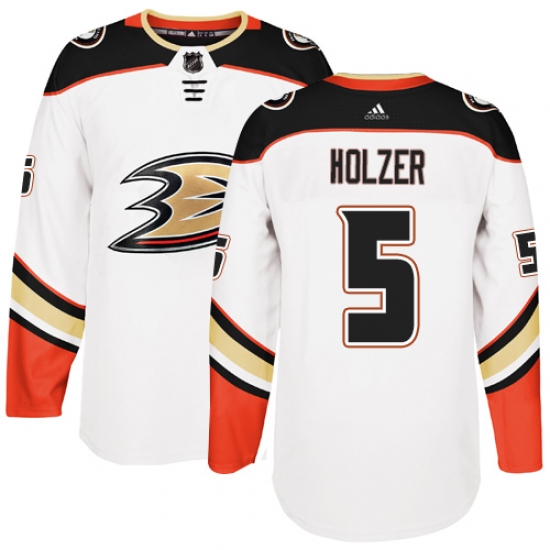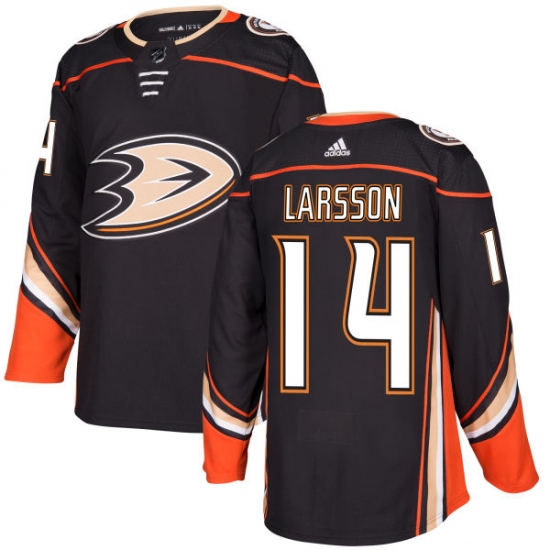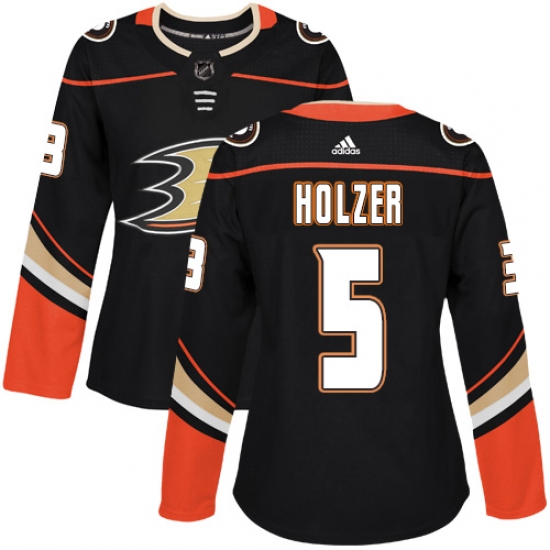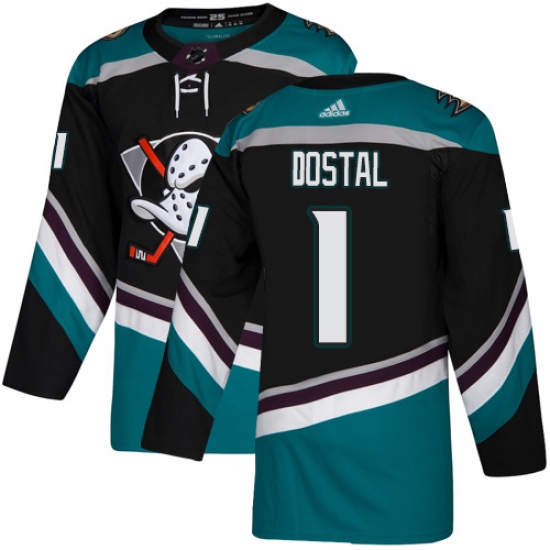
How much do NFL jerseys cost wholesale, and why do two suppliers quote a $9 gap on the exact same style? The answer rarely lives in the jersey itself — it lives in fabric weight, stitch method, and where the goods physically sit when your purchase order drops. Buyers who chase the lowest quote usually end up with 180 GSM shells, heat-pressed numbers that crack in three washes, and a six-week ocean wait that misses the season entirely. This is what real US bulk pricing looks like, and how to protect your per-unit margin.
Start with the honest price bands. Lightweight printed fan shirts land between $8 and $13 wholesale. Retail-grade stitched jerseys run $18 to $30 per unit at 50 to 100 pieces, and drop to $14 to $22 once you clear 500 pieces on a single style. That gap is not markup — it is 120 extra grams of fabric and roughly 4,000 extra stitches per jersey.
Fabric weight is the single biggest cost driver. A true 300 GSM 100% breathable polyester mesh drapes with structure, holds a shoulder shape through a full season, and prints or stitches cleanly. Anything under 200 GSM feels like a practice pinnie and will generate returns you cannot afford at retail.
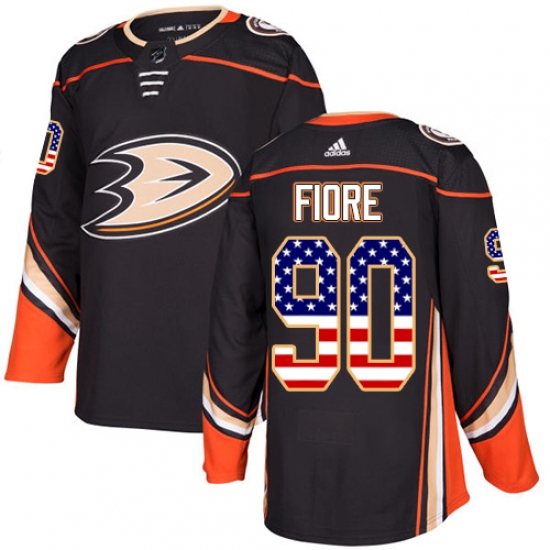
Stitch work comes second. Double-stitched Tackle Twill numbers use a colored twill base with an embroidered satin border on top, then a second pass locks the perimeter. That is four to six times the labor of a single-layer print, and it is the reason a stitched jersey survives repeated washing without curling at the corners.
The details most suppliers skip are the ones that create repeat customers. Look for a soft interior backing behind every number and nameplate so the embroidery thread never scratches the wearer. Check for reinforced collar bands with a double row of stitching, and Z-stitch bar tacks at the shoulder and side vents where tension always concentrates.
None of that should be sacrificed for price. A stitched NFL jersey that costs you $21 wholesale should still pass the same pull test as a $60 retail piece: grab the number corner, tug firmly, and watch for any lift in the twill or loose thread tails underneath.
Volume tiers are where real wholesale economics kick in. A typical US-warehouse structure looks like this:
- 24–49 units: sample-friendly tier, highest per-unit cost, best for testing a new team or colorway
- 50–199 units: standard reseller tier, mixed teams and sizes allowed
- 200–499 units: distributor pricing, stitched names and numbers included at a reduced rate
- 500+ units: container-alternative tier, custom nameplates and sleeve patches negotiable
Custom names and numbers add roughly $2.50 to $5 per jersey when stitched. Heat-pressed personalization is cheaper by about $1.50, but expect peeling inside 15 to 20 wash cycles. For team orders that get worn weekly, pay the difference — the return rate tells the story.
Size runs matter more than most buyers expect. A standard NFL cut from S to 3XL should measure 34–36 inches at the chest for a Small, 38–40 for Medium, 42–44 for Large, 46–48 for XL, 50–52 for 2XL, and 54–56 for 3XL. Youth runs S through XL. If a supplier cannot send you a flat-lay measurement sheet before you commit, that is your first red flag.
Ordering a mixed carton is normal at the wholesale level. Serious suppliers let you blend teams, sizes, and home or away colorways inside one tier as long as the total unit count clears the threshold. That flexibility is what allows a league manager to outfit twelve different rosters from one invoice instead of twelve.
Domestic stock changes the math completely. When goods are already sitting in a US warehouse, there is no customs clearance, no ocean freight surcharge, no port delay, and no 30-day cash flow gap. Orders typically dispatch within 24 to 72 hours, which means a restock before a playoff run actually arrives in time to sell. That speed is worth more than a $2 saving on a slow boat.
Before you scale any order, run a physical inspection on at least three units pulled from different layers of the carton. Suppliers who only send the top-of-box sample get caught here.
- Weigh the mesh: 300 GSM fabric should feel dense with a matte finish, not shiny or papery
- Inspect the twill: two distinct layers, clean satin border, no frayed edges or exposed adhesive
- Pull the corners: no lift, no loose tails on the reverse side
- Run a finger inside: soft backing panel behind every stitched element
- Check the collar: reinforced band, even stretch, no rippling
- Compare seams: consistent Z-stitch and bar tacks at stress points across all three units
If you want a supplier who stocks stitched inventory domestically instead of drop-shipping from overseas, narrow your shortlist to vendors with verifiable US storage and wholesale NFL jerseys already on the shelf. Ask for a photo of the actual carton label and a same-week dispatch confirmation before wiring anything.
Here is the margin picture on a realistic 100-piece order. Landed cost at $20 per stitched jersey is $2,000. Retail them at $74.99 and you gross $7,499. Subtract $4 per unit for packaging, labels, and shipping, and you clear roughly $5,100 on one team. Move four teams across a season and you are looking at five figures from a single wholesale relationship.
That math collapses fast if the product fails. A jersey that cracks, fades, or scratches generates a return, a refund, and a lost customer — three times the cost of the original unit. Cheap is only profitable when cheap still means stitched, backed, and weight-tested.
Care instructions are worth passing to your retail buyers, because they reduce returns. Wash stitched jerseys cold, inside out, on a gentle cycle with like colors. Skip fabric softener, skip the dryer, and never iron directly over embroidery. Hang dry in shade. Follow that and a 300 GSM mesh jersey holds shape and color through a full season of Sunday wear.
Watch for the obvious counterfeit signals when vetting any new source: single-layer printed numbers described as "stitched," thread color that does not match the twill, nameplates glued rather than sewn, and jock tags printed on the outside of the collar instead of tucked inside. One of these is a red flag. Two is a supplier you walk away from.
Timing your purchase matters as much as your price. Peak demand runs from late August through the Super Bowl window, and US warehouses thin out fast. Locking your bulk order two to three weeks ahead of the rush keeps you at tier pricing instead of paying spot rates for whatever is left on the shelf.
How much do NFL jerseys cost wholesale in small quantities? Expect $22 to $30 per stitched unit at 24 to 49 pieces. Printed fan jerseys start around $8 to $13. Pricing improves sharply once you cross 200 units.
Is the price difference between stitched and printed worth it? For resale, yes. Stitched Tackle Twill jerseys command higher retail prices, generate fewer returns, and hold perceived value on the rack. Printed stock works best as a low-ticket impulse item.
How fast do US-stocked bulk orders ship? Most domestic warehouses dispatch within 24 to 72 hours after payment clears, with delivery in two to five business days depending on destination. No customs, no port backlog.
Can I mix teams and sizes in one bulk order? Yes, with most reputable suppliers. Mixed cartons count toward the same volume tier as long as the total unit count qualifies, which is ideal for league and multi-team buyers.
Ready to see actual inventory instead of a quote sheet? Browse the full catalog at www.cheapjerseyswholesaleus.com for live stock counts, tier pricing, and low-MOQ entry points. Domestic dispatch, stitched construction on every retail-grade style, and per-unit margins that hold up after shipping and returns are accounted for. Place a small test order first, inspect it hard, then scale with confidence.