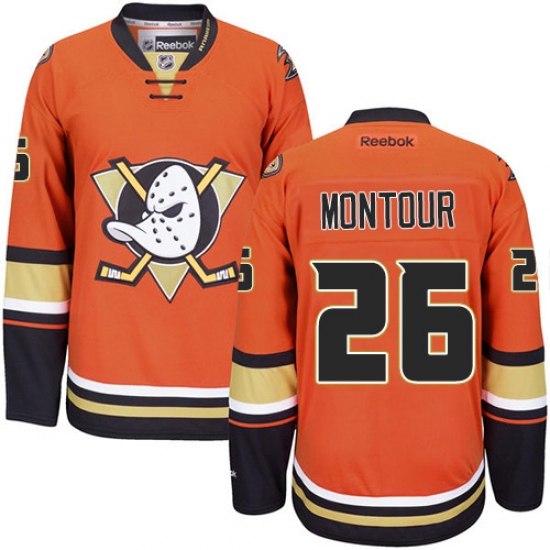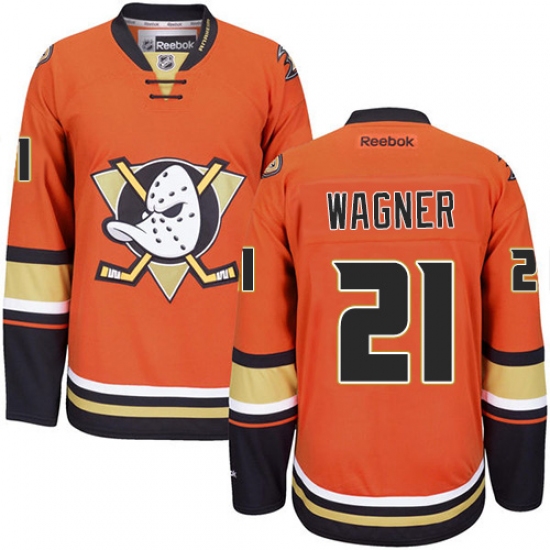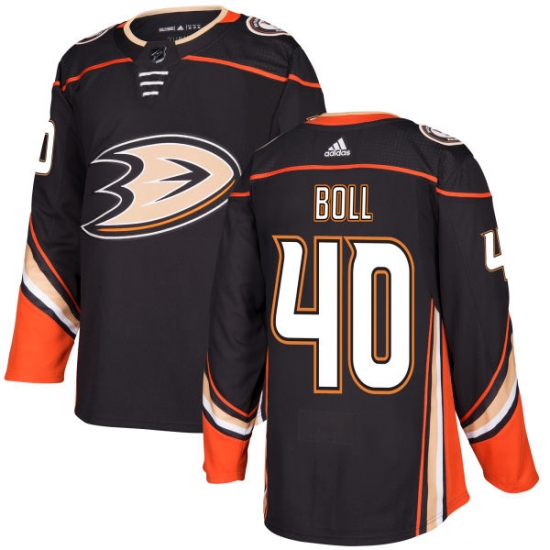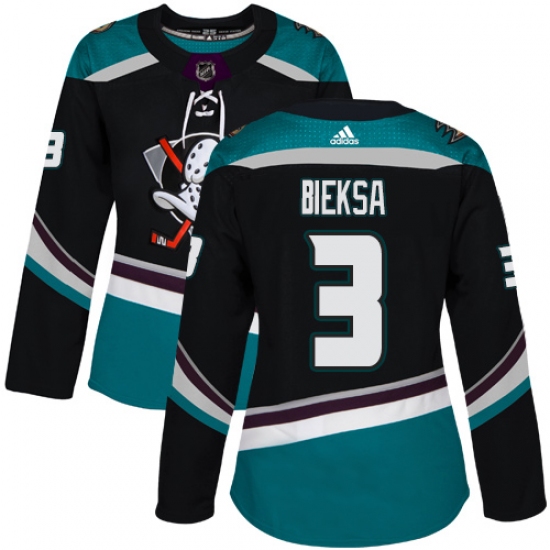
Ask ten buyers how much do NFL jerseys cost wholesale and you will get ten different numbers, most of them wrong by 30% or more. The real per-unit price on NFL jerseys wholesale sits in a narrow band once you separate fabric weight, stitch type, and whether the goods ship from a US warehouse or crawl across the ocean for five weeks. This breakdown comes from actual purchase orders, not from a fantasy spreadsheet.
Most buyers who overpay are not being cheated. They are buying on unit price alone and ignoring landed cost, reorder speed, and defect rate. A jersey that costs $2 less per piece but arrives three weeks late and comes back with ten percent returns is the most expensive jersey in your warehouse.
Start with the fabric, because that single spec moves the price more than anything else. A true 300 GSM heavyweight mesh runs noticeably higher than the 180–200 GSM tissue paper that floods discount listings. Pull a jersey against the light: if you can read a newspaper through it, that is not a game-weight body. Wholesale-grade NFL jerseys should use 100% breathable polyester mesh with a dry hand feel and enough body to hold a crease in the shoulders.
Stitch work is the second price driver. Screen-printed numbers cost less but crack, fade, and get returned. Double-stitched Tackle Twill numbers — two layers of fabric cut and sewn with a dense zigzag perimeter — survive a full season of contact and repeated wash cycles. The gap between printed and stitched at wholesale is roughly $4 to $7 per unit, and it is the single best margin decision a reseller can make.
Here is the price ladder most US bulk suppliers actually work from on stitched NFL product:
- 24–49 pieces: $21.50–$24.00 per unit, mixed teams and sizes allowed
- 50–99 pieces: $19.75–$21.50 per unit, free name and number on selected styles
- 100–499 pieces: $17.90–$19.75 per unit, nameplate and custom numbering included
- 500–999 pieces: $16.40–$17.90 per unit, priority allocation on hot teams
- 1,000+ pieces: sub-$16 pricing with locked-in tiers for the full season
Numbers vary by $1–$2 depending on team popularity, size run, and whether you take a mixed assortment or a single cut. Any quote that lands under $12 for a stitched, two-layer twill jersey with a soft interior backing should be inspected before you send a deposit.
Landed cost is where US-based wholesale really separates itself. Ocean freight from Asia runs 25–40 days door to door, plus customs clearance and possible exam holds. Ground shipping from a US warehouse is 1–3 business days to most states. If a buyer needs 200 jerseys before a season opener, those three weeks are worth far more than the $1.50 per unit saved on a slow container.
Freight math on a 300-piece order usually looks like this: air freight adds $3.50–$5.00 per unit, ocean adds $1.20–$2.00 but burns a month, and domestic stock adds nothing because the goods are already stateside. That is the entire argument for buying from a US distributor instead of trying to wire money to a factory you have never visited.
Now the part nobody advertises. Cheap jerseys fail in predictable places, and a good buyer checks those exact spots before accepting a bulk shipment:
- Stitch density: 7–9 stitches per inch on twill borders; anything under 6 pulls apart
- Collar band width: reinforced collar bands should be 1.25–1.5 inches and hold shape after stretching
- Interior backing: soft interior backing behind the numbers, no scratchy thread ends poking the spine
- Armhole and shoulder reinforcement: Z-stitch or bar-tack at every stress point
- Colorfastness: rub a damp white cloth on the twill; less than a 4.0 rating means bleeding in the wash
- Nameplate alignment: within 1/8 inch of center, no tilt on a flat surface
Run a 10% spot check with an AQL 2.5 acceptance threshold on any order over 200 pieces. If the sample fails on stitch density or colorfastness, the whole lot fails. Reject it before it reaches your customers, not after.
Size runs quietly change your per-unit cost too. A standard run of S–2XL keeps pricing flat, but 3XL and 4XL typically carry a $2–$3 upcharge because of fabric consumption. Most leagues run about 22% small, 30% medium, 26% large, 15% XL, and the rest in 2XL and up. Ordering a true size curve instead of a flat assortment is what keeps you from sitting on a pallet of smalls in December.
Youth business is worth building alongside adult. Youth sizes run YS through YXL, and the fabric weight drops slightly, which drops the price $3–$5 per unit. Schools, pee-wee leagues, and camps buy in volume and reorder every single season, which makes them the most predictable revenue in the category. Ask any supplier whether they stock youth cuts before you commit to a program.
When you compare suppliers, ask one direct question: is the twill sewn or glued? Glued numbers peel at the corners after two or three washes, and that single failure mode generates more returns than every other defect combined. Buyers who move volume on cheap jerseys wholesale us stitched NFL jerseys are not chasing the lowest quote on a spreadsheet — they are buying stitch quality they can reorder with confidence and resell at healthy margins.
Minimum order quantity is the other negotiation lever. Factories typically want 100+ per style, per colorway. A US distributor working from existing inventory can ship 24 pieces, mixed, with no style minimum at all. That flexibility matters most when you are testing a new market or filling a small league order you cannot afford to turn down.
Season timing drives availability more than price. NFL demand spikes from August through November, and the specific hot teams sell out first. Locking your core order 6–8 weeks before kickoff guarantees allocation. Reorders placed in-season can be filled from US stock in days, which is how resellers capture the late wave instead of watching it go to a competitor.
Margin math for a reseller is straightforward. A stitched jersey at $18.00 wholesale with a $79.99 retail tag leaves roughly $62 gross before selling fees. Even at a discount retail of $54.99, you are still near a 3x markup. Compare that to printed product at $13 wholesale and a $34.99 retail — the percentage looks similar, but the dollar profit per unit is less than half, and the return rate is higher.
Protect that margin by cutting returns with proper care instructions. Hand these to every customer or print them on the packing slip:
- Wash cold, inside out, on a gentle cycle with like colors
- Skip fabric softener — it breaks down mesh fibers and dulls twill
- Hang dry or tumble on no heat; high heat is what cracks numbers
- Never iron directly on twill or print — use low heat on the reverse side only
- Keep velcro and zippers away from the mesh in the wash load
Team and league orders add value beyond the jersey itself. Custom football jerseys with names and numbers, matched nameplates, and consistent number fonts across a roster command a higher unit price and almost zero price resistance. Roster numbering is also where cheap suppliers cut corners, using mismatched fonts or thin single-layer digits. Specify font, layer count, and nameplate material in writing before production.
Inventory velocity should shape your assortment more than your personal taste. Carry four to six teams at healthy depth rather than twenty teams at two pieces each. Deep stock on a hot team sells through in weeks; scattered stock on twenty teams turns into dead inventory you discount in the spring. Review sell-through every 30 days and reallocate.
FAQ
Why is there such a wide price range on stitched NFL jerseys? The range comes from fabric weight, layer count on the twill, whether the numbers are sewn or glued, and how the goods reach the US. A 200 GSM glued-number jersey and a 300 GSM double-stitched jersey are not the same product, even if both listings say "stitched."
What is the smallest order I can place? Domestic stock programs typically start at 24 pieces with mixed teams and sizes. Direct factory production usually requires 100+ per style and colorway.
How fast can a bulk order ship within the US? In-stock orders ship same or next business day and land in 1–3 business days via ground. Custom numbering adds 3–7 business days depending on volume.
How do I verify quality before a large reorder? Order a sample first. Check stitch density, collar band width, interior backing, and colorfastness, then compare against your written spec. If the sample passes, request the same spec sheet with your bulk PO.
Ready to see actual numbers instead of vague quotes? Browse the full in-stock catalog at Cheap Jerseys Wholesale US to compare tier pricing, current team availability, and size runs side by side. Low MOQ, tiered bulk discounts, and fast US-based fulfillment mean you can test a market this week and scale next month without tying up capital in a slow container. Request a quote with your team mix and quantities, and get a locked price with shipping timelines attached.