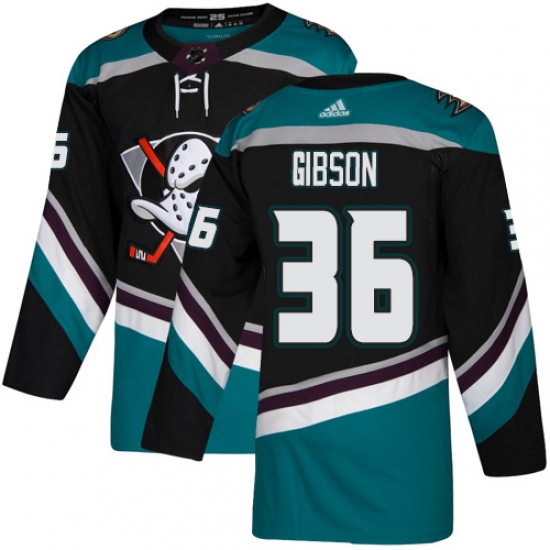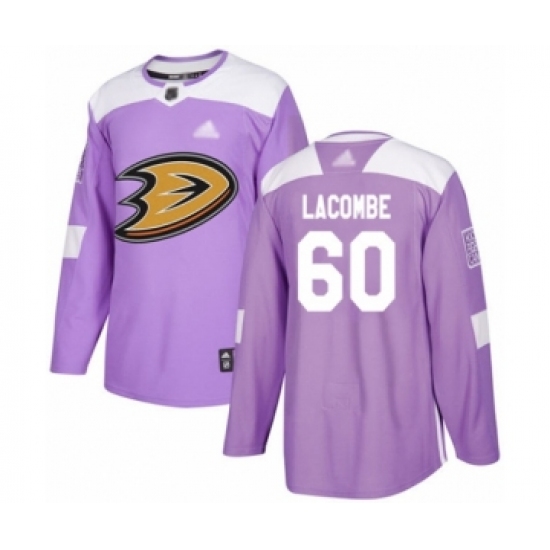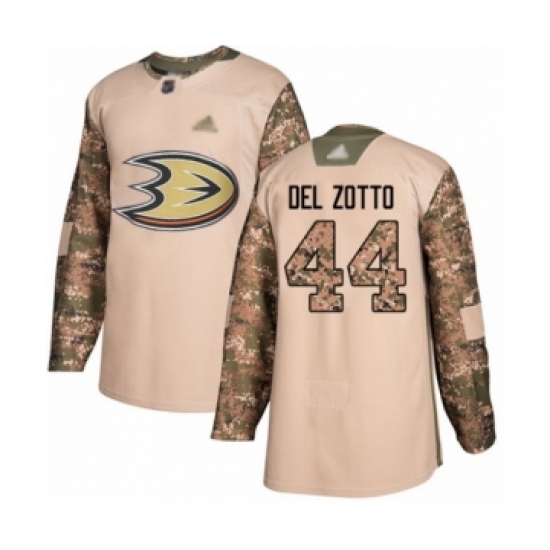
If you run a team store, a league concession table, or an online resale shop, the single question that decides your margin is: how much do NFL jerseys cost wholesale? Get that number wrong and you either price yourself out of the market or hand your entire profit to a middleman overseas. Most buyers searching for cheap NFL jerseys wholesale US pricing hit the same three walls.
First, domestic wholesalers quote $38 to $55 per stitched jersey, which leaves almost nothing after shipping and marketplace fees. Second, bargain suppliers who quote $12 send you thin single-layer prints with loose threads, crooked nameplates, and peeling numbers after two washes. Third, overseas direct shipping means 25 to 40 day transit windows and customs delays that land your stock the week after the season opener.
The practical answer is that real stitched NFL jerseys sourced through a US-based distribution network run roughly $16 to $24 per unit at 50-piece tier pricing, and closer to $13 to $18 once you cross 200 pieces. That range only exists if the supplier holds inventory in a North American warehouse and buys factory-direct in volume. Anything below $10 per stitched jersey is a red flag, not a deal.
Here is what separates a legitimate low-cost stitched jersey from a printed knockoff, in plain terms.
- Fabric weight: genuine stock runs 100% breathable polyester mesh at 280–320 GSM. Anything under 220 GSM feels like a gym bag liner and shows every wrinkle.
- Number construction: double-stitched Tackle Twill numbers, layered and sewn, not heat-pressed vinyl.
- Interior finish: soft interior backing behind the numbers so the stitching never scratches a buyer's back.
- Collar and cuffs: reinforced collar bands and ribbed knit cuffs that hold shape through a full season.
- Stitching density: Z-pattern lock stitching at stress points like shoulder seams and the armhole.
When you inspect a bulk shipment, do not open the top layer and call it good. Pull from three different cartons and three different size runs. Check that the mesh weight is consistent across the batch, because low-end factories will run heavy mesh on the size 4XL and lightweight mesh on the smalls to save cost.
Run a stitch-pull test on one jersey per carton. Hook a fingernail under the edge of a Tackle Twill number and pull upward with moderate force. A properly double-stitched twill number should not lift. If the thread pulls free, the entire run is at risk, and you should ask for a re-count before accepting the freight.
Verify the nameplate alignment too. Lay the jersey flat and measure from the shoulder seam to the top corner of the nameplate. Both sides should match within about 3mm. Off-center nameplates are the fastest way to get returns from retail buyers, and most resellers never check this until complaints roll in.
Wholesale pricing tiers typically break like this across most US distributors:
- 12–49 pieces: $22–$26 per stitched jersey
- 50–199 pieces: $16–$22 per stitched jersey
- 200–499 pieces: $14–$18 per stitched jersey
- 500+ pieces: quoted per order, often $12–$15
Mix-and-match flexibility matters more than the headline unit price. If a supplier forces you to buy 100 units of one team to hit a tier, your working capital is trapped in dead inventory. Look for distributors that let you blend teams, sizes, and even leagues inside a single order to reach the tier discount.
Size distribution is where new buyers lose money. A typical adult order should run roughly 10% small, 20% medium, 35% large, 25% XL, and 10% split between 2XL and 3XL. Youth sizes move fastest in September and October, then flatten out. If you load up on 2XL and 3XL because they carry a higher ticket, expect them to sit until clearance.
Custom work changes the math slightly, but not as much as people assume. Adding a custom name and number to a stock jersey usually adds $4 to $7 per unit at volume, and the turnaround from a US warehouse is typically 5 to 9 business days. That is workable for league orders. It is not workable for a 30-day overseas custom run when the season starts in three weeks.
For buyers who need stitched blanks and full custom builds under one roof, the fastest path is working with a supplier that already stocks NFL football jerseys domestically and can pull, customize, and ship from the same facility. That eliminates the double-handling that eats a full week out of every order cycle.
Watch the fabric composition claims closely. Some suppliers list "polyester blend" and quietly cut in 20% cotton or rayon, which shrinks after the first wash and ruins the fit. Demand 100% polyester mesh in writing on the invoice, not just on the product page.
Moisture management is the other spec worth confirming. A quality mesh jersey should pull sweat off the skin within seconds during a wear test. Cheap mesh just traps heat and gets heavy. Do the test yourself on one sample before you commit to a season's worth of stock.
Caring for stitched jerseys matters more than most resellers realize, because customer complaints about cracked numbers almost always trace back to washing, not manufacturing. Printed numbers crack. Stitched Tackle Twill numbers do not crack, but they can pucker if the jersey goes through a hot dryer cycle.
- Machine wash cold, inside out, on a gentle cycle
- Never use bleach or fabric softener on polyester mesh
- Tumble dry low or hang dry to protect the twill stitch line
- Do not iron directly on the numbers; press through a cloth on low heat if needed
Pass that care card along to your retail customers. It cuts return rates noticeably, and it makes your shop look like it knows the product, which is worth more than the few cents the card costs.
Margin is where the US warehouse model wins outright. A $17 stitched jersey that lands in three days can retail at $59 to $79 in a team store or $45 to $55 on a marketplace. An $11 jersey that arrives six weeks late has to be dumped at cost because the season is gone. Speed is the profit.
Demand spikes are predictable. Preseason, the first two regular-season weeks, and the playoff run drive the heaviest volume. If you place your reorder in week three, you are already behind. Restock when your on-hand count drops to roughly 30% of your seasonal forecast, not when you run out.
Ask any prospective supplier three questions before you wire money. How many units do you physically hold in the US right now? What is your cut-off time for same-day dispatch? And what is your defect policy if more than 3% of a carton fails inspection? Clear answers separate a real distributor from a drop-shipper.
Also confirm the return window and restocking terms in writing. A 30-day defect window with no restocking fee is standard for reputable wholesale suppliers. A 7-day window with a 20% restocking charge tells you they expect problems.
Freight costs round out the landed price. Domestic ground shipping on a 100-piece order usually runs $0.80 to $1.40 per jersey depending on distance and carton count. That is a fraction of the per-unit air freight you absorb on overseas orders, and it is fully predictable, which makes pricing your retail tiers far easier.
Payment terms are negotiable once you establish a purchase history. First orders are typically prepaid or 50% deposit. After two or three clean cycles, net-30 terms are common with most US distributors, which frees up cash for the next buy.
Barcode and hangtag compliance is worth asking about if you sell through any retail channel. Some distributors will apply retail-ready tags at a small per-unit cost. Doing it in-house costs you labor and time you probably do not have in peak season.
Frequently Asked Questions
How much do NFL jerseys cost wholesale in the US?
Expect $16 to $24 per stitched jersey at 50-piece tiers, dropping to $12 to $15 above 500 pieces. Printed jerseys run lower, but they sell at much lower retail and generate far more returns.
What is the minimum order quantity for stitched jerseys?
Most US distributors start at 12 pieces per order, with tier discounts kicking in at 50. Some allow mixed teams and sizes within one order, which makes hitting the next tier much easier.
How long does a bulk order take to ship domestically?
Stock orders typically dispatch within 24 to 48 hours and arrive in 2 to 5 business days. Custom name-and-number work adds 5 to 9 business days to the turnaround.
How do I tell a stitched jersey from a printed one?
Flip it inside out. Stitched Tackle Twill numbers show a second layer of fabric and visible thread on the reverse side. Printed numbers show a flat, slightly glossy film with no stitching.
Ready to lock in your season pricing? Browse the full stock catalog at cheapjerseyswholesaleus.com to see live tier pricing, low MOQ options starting at 12 pieces, and same-day dispatch from US warehouses. Order early, restock before the spike, and keep the margin where it belongs.