Ask any buyer what decides whether a season order makes money, and it comes down to one number: how much do NFL jerseys cost wholesale in the US market right now. Miss that number by four dollars a unit and a 500-piece order quietly wipes out $2,000 of margin. Get it right and you can undercut every local competitor while still clearing 45% or better per jersey. The catch is that most quotes hide the real cost — 200 GSM mesh that pills after two washes, screen print that cracks by week three, or a 45-day ocean freight window that lands your stock after the playoffs are already over.
Real wholesale pricing for stitched NFL jerseys sits in a narrow band, and anything far outside it deserves a second look. In the current US market, here is what you should expect to pay per unit at case quantity or better.
- Printed / screen-printed replica: $8–$14 per unit at 100+ pieces
- Single-layer stitched build: $14–$20
- Double-stitched Tackle Twill numbers and letters: $17–$26
- Youth stitched sizes (S–XL): $11–$17
- Custom name and number add-on: +$2–$4 per jersey
- Vintage embroidered builds: $19–$28
Those figures assume a 300 GSM mesh body with genuine embroidery. When a supplier quotes $9 for a "fully stitched" adult jersey, the fabric is usually 180–200 GSM, the twill is single-layer, and the stitch density is roughly half of what a retail customer will accept without complaint.
Fabric weight is the first spec worth verifying. Football jerseys live in a heavy-use category. A retail-grade stitched jersey runs 100% breathable polyester mesh at around 300 GSM on the body, with a lighter mesh or knit on side panels and sleeves so wearers do not overheat. Drop below 240 GSM and the shoulder feels papery, and every pull in the weave shows after a handful of wears.
Ask for the actual fabric spec sheet, not a product photo. Weight, knit count, shrinkage tolerance, and colorfastness rating all matter. A 300 GSM mesh holding under 4% shrinkage keeps its size through repeated washing, which is exactly what a league manager expects when ordering 40 matching jerseys for a rec season.
Tackle Twill is where your cost goes — and where your resale value sits. Double-stitched Tackle Twill numbers are cut from layered twill fabric, then sewn onto the jersey with a satin-stitch border running roughly 8–10 stitches per inch. That density is what keeps edges from lifting through laundering.
Budget builds use single-layer twill pressed down with heat-transfer adhesive and one light stitch line. It photographs fine. It looks rough after six weeks. If your buyers are team managers who reorder every season, stitch quality is a retention tool, not a cosmetic upgrade.
Interior construction separates durable jerseys from disposable ones. Look for soft interior backing behind every embroidered number and letter — a light fusible or knit layer that stops stiff twill and thread tails from scratching skin. On cheap runs you can feel the back of the number catch on your palm the moment you reach inside.
Two more checks worth making on any sample: reinforced collar bands that keep their shape instead of curling by wash three, and Z-stitch reinforcement at shoulder seams, armholes, and side vents, where stress actually lands. Both add pennies per unit at the factory, and both decide whether your buyer comes back next season.
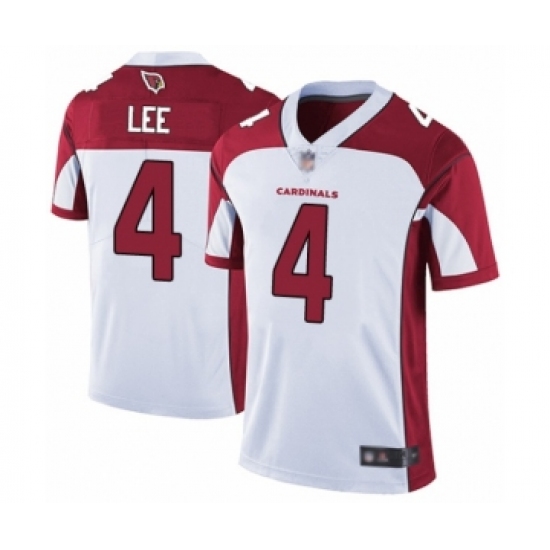
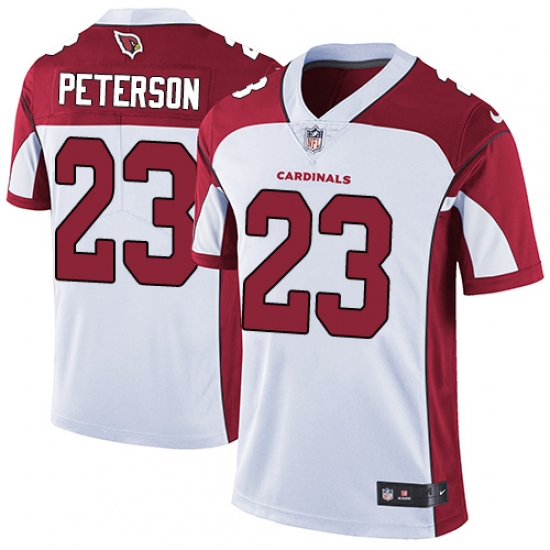
To see how those specs get packaged at true distributor pricing, the stitched NFL jerseys catalog is a useful benchmark — fabric weight, stitch type, and size range are listed per style rather than buried behind a generic quality claim. That transparency is uncommon, and it is the fastest way to judge any quote sitting on your desk.
Volume tier breaks are the other half of the pricing equation. Most US wholesale programs structure discounts in bands, and the jump between bands usually matters more than the base price gap between two suppliers. A typical ladder looks like this.
- 24–49 units: base price, mixed teams allowed
- 50–99 units: 8–12% off base
- 100–299 units: 15–20% off base
- 300–499 units: 22–28% off base
- 500+ units: negotiated pricing with custom spec options
The practical move is to merge your team mix into one order instead of placing four small ones. Twelve Cowboys, twelve Packers, and twelve Lions in a single 36-piece buy often pushes you into the next tier, and you needed all three teams anyway.
Landed cost is not unit cost. A $16 overseas quote looks better than a $19 domestic warehouse price until you add $2.50–$4.00 per unit for ocean freight, customs duty, and wire fees spread across the order. Then comes the real problem: 30–45 days of transit that can push delivery past the week your buyers start shopping.
US-stocked wholesale removes that risk. Goods already sit in domestic warehouses, orders dispatch in 1–3 business days, and you can reorder twelve pieces mid-season when a team gets hot instead of committing to 500 in July. Speed is a product feature when you are selling into the final month before kickoff.
Pre-shipment inspection standards worth writing into your PO. If you source direct or through an agent, hold the factory to a real AQL standard rather than "we check everything."
- AQL 2.5 on major defects: wrong number, wrong team color, lifted stitching, misaligned nameplate
- Spot-check 10% of each carton for fabric weight and stitch density against the approved sample
- Measure 5 pieces per size against the size chart with a ±0.5 inch tolerance
- Pull test one embroidered number per carton — the seam should not release under moderate hand tension
Document everything against a signed golden sample. Without one, a factory shipping 240 GSM mesh instead of 300 GSM has a legitimate argument. With one, you have a claim.
Size curve matters more than total quantity. Adult jersey demand in the US skews heavier than most first-time buyers assume. A workable curve on a 100-piece adult order is roughly 6% Small, 22% Medium, 30% Large, 24% XL, 12% 2XL, and 6% 3XL. Running light on XL and 2XL is the most common inventory mistake in this category.
Youth sizing behaves differently. Age labels overlap badly between manufacturers, so sell youth jerseys by chest measurement, not by "youth large." Print a measurement line on the product page and your return rate drops fast.
Run the margin math before you fall in love with a price. Take a double-stitched jersey at $21 landed. Sell it to fans at $58 and you are working a $37 spread. Sell wholesale to a small retailer at $34 and you still clear $13 per unit — thin per piece, but it moves in volume and builds a repeat account.
The number that really matters is turns per season, not spread per unit. A jersey sitting in your stockroom for eight months is worse than a $9 profit sold in two weeks.
Custom names and numbers change the conversation. Team buyers rarely want a stock roster name. They want their own. Adding a sewn nameplate and twill numbers typically runs $2–$4 per jersey in volume, and it lets you charge $15–$25 above the stock price. For a league manager ordering 30 matching sets, that custom build is the reason they go to a wholesaler instead of a retail site.
Care instructions sell more repeat orders than any ad. Put a simple card in every shipment.
- Machine wash cold, inside out, on a mild cycle
- Skip the dryer — air dry flat to protect twill edges and prevent number cracking
- No bleach, no fabric softener, and never iron directly on embroidery
- Wash stitched jerseys separately from towels and anything with zippers
Follow that routine and a 300 GSM stitched jersey holds shape and color for years. Ignore it and heat does the damage — dryer temperatures soften the adhesive layer under the twill and edges start lifting within a few cycles.
Buy on the calendar, not on impulse. Football buying peaks from late July through September, with a second bump around the playoffs. Wholesale inventory is cheapest and most complete in spring, before rosters finalize and demand spikes. Locking a spring order at a lower tier beats paying rush pricing in August, every time.
How much should I pay per unit for 100 stitched NFL jerseys?
Plan on $17–$26 per adult jersey for double-stitched Tackle Twill builds at that quantity, and $11–$17 for youth sizes. Anything under $14 for an adult stitched jersey at 100 pieces usually means 200 GSM mesh and single-layer twill.
Is there a minimum order?
Low MOQ is standard for US-stocked wholesale. Many programs start at 24 pieces, and mixed-team orders count toward the same tier, which is how smaller resellers reach tier-break pricing without committing to one team.
How fast can a bulk order ship inside the US?
Domestic warehouses typically process and ship within 1–3 business days, with 2–5 day ground transit depending on destination. That compares to 30–45 days for ocean freight from an overseas factory.
Should I stock stitched or printed jerseys for resale?
Printed jerseys cost less and sell to price-sensitive fans. Stitched jerseys cost more, hold value longer, and are what team and league buyers ask for. A roughly 70/30 split of stitched to printed covers both ends of your customer base.
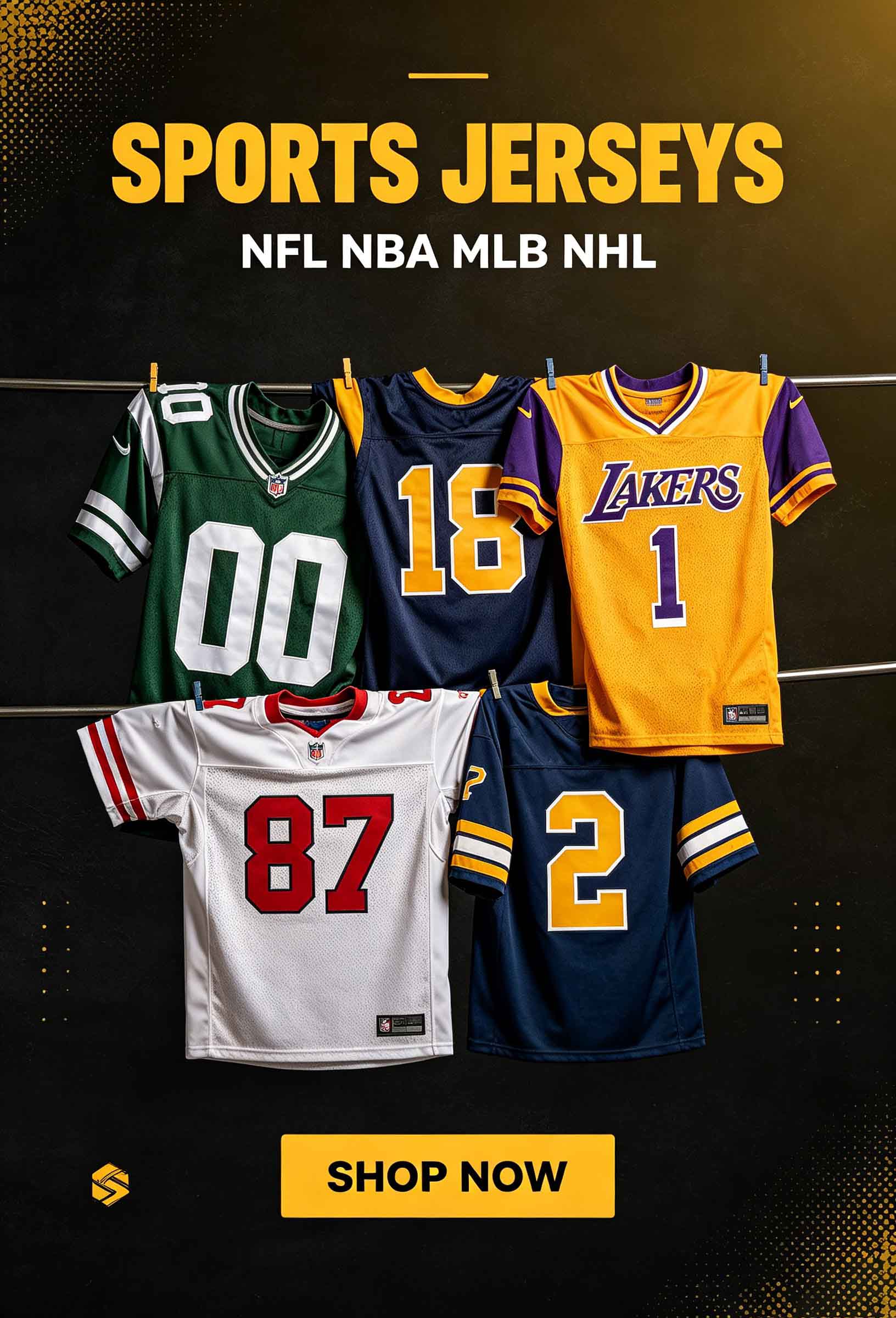
Ready to price your next order? Cheap Jerseys Wholesale US carries stitched NFL, MLB, NBA, and NHL stock in US warehouses with tier pricing that opens at low MOQs, 1–3 day dispatch, and wholesale rates built around reseller margin. Browse the full catalog at www.cheapjerseyswholesaleus.com and lock your tier before the season rush hits.