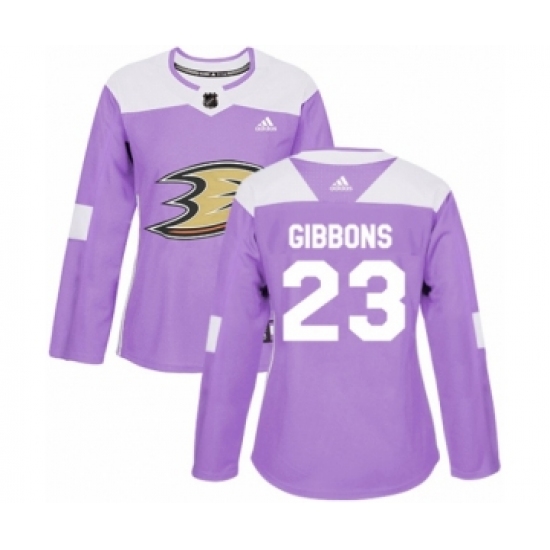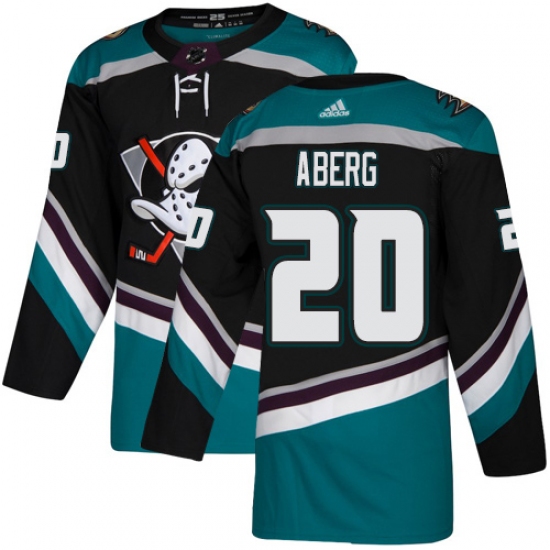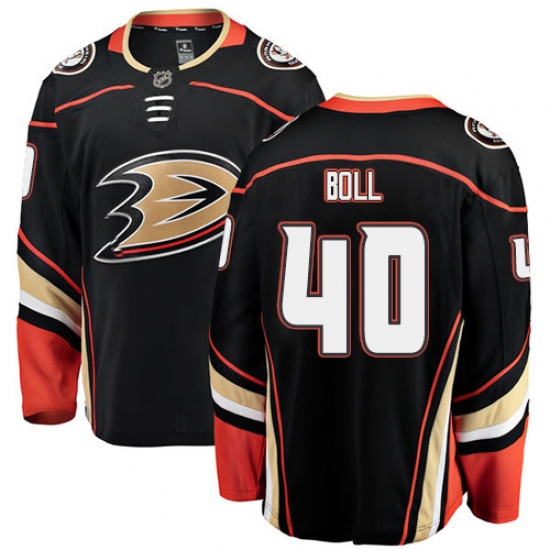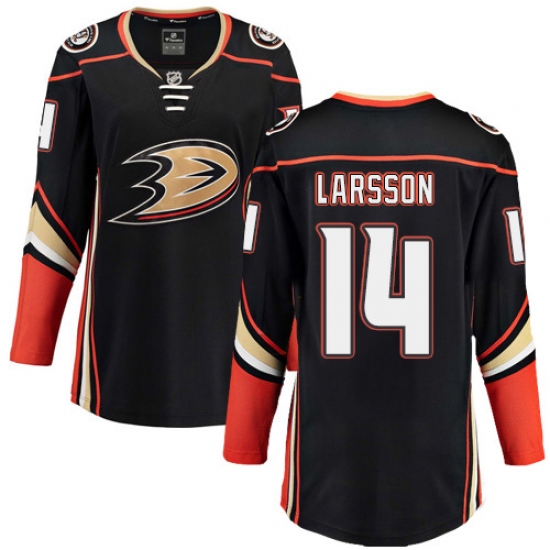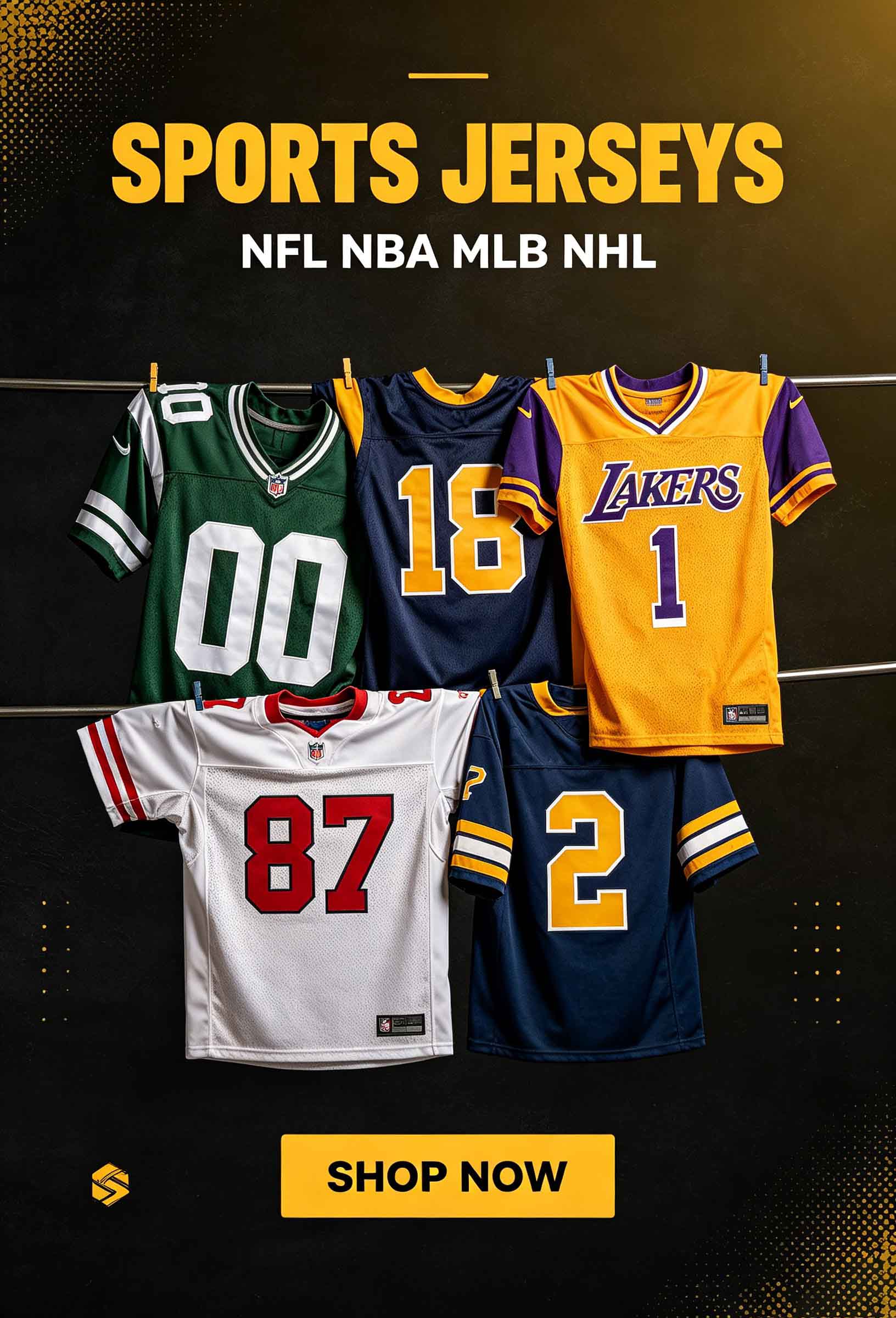
If you buy stitched NFL jerseys wholesale for resale, you already know the squeeze: retail prices stay flat while landed cost keeps climbing. That is exactly why smart US distributors now source stitched NFL jerseys wholesale through domestic warehouses instead of gambling on overseas direct shipping.
The pain is familiar. You find a supplier quoting $12 a jersey, then the shipment arrives with crooked numbers, single-stitch shoulder seams, and fabric so thin you can read a newspaper through it. Or you pay a fair price overseas and watch your container sit in customs for six weeks while the playoffs come and go. Either way, your margin dies before the first jersey hits a rack.
This guide breaks down what a real wholesale stitched football jersey should deliver, how to inspect a bulk order in under an hour, and where US buyers are pulling consistent inventory at prices that still leave 60% to 80% retail markup on the table.
Start with fabric weight, because it is the first place cheap manufacturing cuts corners. A legitimate game-quality jersey uses 100% breathable polyester mesh in the 280 to 320 GSM range. That is roughly 8.5 to 9.5 ounces per square yard. Anything under 250 GSM will feel slick, cling badly, and pill after three washes.
Heavyweight mesh does two things for your business. It survives retail handling, and it photographs well, which matters if your buyers are selling online. Ask your supplier for the exact GSM before you place a bulk order. If they cannot answer in numbers, they are not a factory-direct source.
Next is the number and letter construction. Entry-level jerseys use printed vinyl or heat-transfer film. Real stitched product uses double-stitched Tackle Twill numbers, layered twill sewn down with a dense zigzag border. Run your thumbnail along the edge of a sample. You should feel a raised, firm border with no loose thread ends.
There is a simple way to tell a truly sewn jersey from a convincing fake. Turn it inside out. Actual stitched numbers leave a clean bobbin-stitch pattern on the back panel with a soft backing layer covering it. Printed jerseys show a flat, faint mirror image or nothing at all.
That backing layer matters more than most buyers realize. A quality jersey has soft interior backing behind the tackle twill so the embroidery thread never scratches the wearer's chest or shoulder blades. Without it, customers complain after one game, and returns eat your profit faster than any sourcing mistake.
Check the collar while you are inspecting. Reinforced collar bands keep the neckline from stretching into a wavy mess after a season of wear. Look for a ribbed band with a tight, even knit and a clean double row of stitching where it meets the body panel.
Shoulder and side seams deserve the same scrutiny. Every stress point should be double-stitched, and premium runs add bar-tack reinforcement at the shoulder yoke and underarm. These are the spots that blow out first on cheap jerseys, and they are the first thing a return customer mentions.
Now the part that actually protects your margin: where the goods ship from. Domestic US stock means you order Monday and have freight moving Tuesday, not six weeks from now. That timing advantage is worth real money during preseason and playoff spikes, when a two-week delay turns a profitable buy into dead inventory.
Domestic sourcing also removes the customs and tariff guesswork that wrecks landed-cost math on overseas orders. You know your unit cost before you commit, and you can reorder in small batches to test a market instead of tying up cash in one big container.
For buyers who want stitched construction, domestic warehouse stock, and pricing built for resale, the cheap jerseys wholesale us stitched NFL jerseys program is set up exactly for that flow, with tiered pricing that drops as order volume climbs.
Here is the inspection routine we recommend for any incoming bulk shipment. It takes about 45 minutes per 100 units and catches nearly every defect that matters.
- Spot-check 10% of units across every size run in the carton, not just the top layer.
- Measure GSM indirectly: weigh a single jersey on a kitchen scale. A men's large in 300 GSM mesh typically lands between 11 and 13 ounces.
- Flex the numbers: bend the twill at a 45-degree angle. Cracking or lifting means the stitch density is too low.
- Pull the collar: stretch it gently and release. It should snap back with no permanent distortion.
- Check the size tag against the actual chest measurement with a tape measure laid flat, pit to pit.
- Scan for color drift between the body panel and the sleeve inserts under daylight.
Get your size matrix right before you order, because misjudged sizing is the quiet killer of wholesale margins. Most US buyers stocking for adult resale should anchor on men's sizing, with a genuine nfl jersey size chart showing roughly 44 to 46 inches of chest on a large and 48 to 50 on an XL.
Youth sizing moves fast in school and league channels. Order youth in a tighter ratio than you think you need, then reorder once you see actual sell-through. Holding dead youth sizes through the offseason ties up capital you could be rotating into new stock.
If you are supplying teams rather than retail racks, custom work changes the math. Bulk orders with sewn names and numbers command higher per-unit revenue and lock in repeat business season after season. Ask for a pre-production sample before the full run ships, every time.
Washing guidance is a resale asset, not an afterthought. Print a short care card and include it with team orders. Cold water, inside out, gentle cycle, hang dry. That single card cuts complaints about cracked numbers and fading colors dramatically.
For wholesale buyers, the durability question comes down to cost per wear. A $14 jersey that survives two seasons beats a $9 jersey that gets returned in month three. Stock the heavier mesh, the sewn twill, and the backed interiors, and your return rate stays low enough to keep margins healthy.
Cold-chain logic does not apply here, but humidity does. Store bulk mesh jerseys in a dry, ventilated space off concrete floors. Polyester mesh picks up musty odors in damp warehouses, and a single funky carton can sour a wholesale account.
Pricing tiers are the lever most buyers underuse. Placing one order of 500 units at the 200-unit price leaves money on the table. Consolidate sizes and colors into a single purchase, or split across categories with one supplier to reach the next discount band.
Reorders are where domestic suppliers separate themselves. A supplier holding US stock can refill a hot size in days rather than months, which means you never tell a customer "out of stock" during the season that matters. That reliability is what keeps wholesale accounts loyal.
On quality control, do not accept "trust us" as an answer. Ask for the GSM spec, the stitch type, the backing material, and the collar construction in writing. A real factory-direct operation answers all four without hesitation, and that documentation protects you if a shipment goes sideways.
Watch for the classic red flags in bulk photographs too. Grainy images, one jersey photographed from five angles to look like five units, or a sample that arrives with different fabric than the quoted spec. Always request a physical sample before a large commitment.
Margins in this category are still strong for buyers who source correctly. A well-constructed stitched jersey landed at wholesale cost still supports a retail price three to five times higher in team and fan channels. The operators who win are the ones who treat sourcing as a technical discipline, not a price hunt.
Our warehouse runs daily pick-and-pack on domestic stock, with low minimums for first-time buyers and volume breaks that reward repeat purchasing. Shipping is fast enough to fill a preseason order and restock mid-season without the customs delay that sinks overseas-only operations.
Frequently Asked Questions
How can I tell if a stitched jersey is actually sewn or just printed to look sewn?
Flip it inside out. Genuine stitched jerseys show a full bobbin-stitch pattern on the reverse of the numbers with a soft backing layer over it. Printed jerseys show a flat surface or a faint transfer outline with no thread structure at all.
What GSM should I look for in a wholesale mesh football jersey?
Target 280 to 320 GSM for game-quality mesh. Below 250 GSM the fabric feels thin, clings poorly, and degrades quickly. Heavier mesh holds shape through repeated washing and photographs better for resale listings.
What is a typical minimum order for US-stocked wholesale jerseys?
Many domestic suppliers set minimums in the 20 to 50 unit range for first orders, with real price breaks starting around 100 to 200 units. Consolidating sizes and colors into one purchase is the fastest way to reach the next discount tier.
How long should a stitched wholesale jersey last with normal wear?
With cold-water washing, inside-out turning, and air drying, a 300 GSM double-stitched jersey should hold its shape and number integrity for two to three full seasons of regular wear. Print-on-demand alternatives often fail within a single season.
If you are ready to stop losing margin to slow freight and inconsistent quality, review the full in-stock catalog at www.cheapjerseyswholesaleus.com and lock in wholesale pricing before the next season rush. Low minimums, tiered bulk discounts, and fast US-based fulfillment are waiting on the other side of that click.