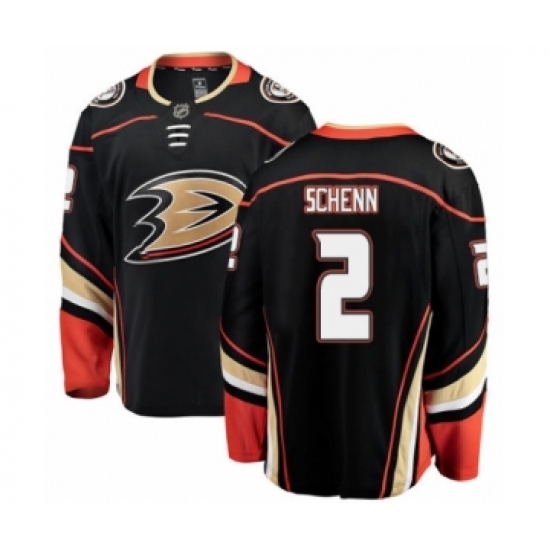
If your retail margin lives or dies on the number you pay per unit, the only question that matters is how much do NFL jerseys cost wholesale when you buy from a supplier that already holds stock on US soil. Most overseas quotes look unbeatable until the shipment lands: 180 GSM paper-thin mesh, heat-pressed numbers peeling in week two, and a five-week ocean delay that puts your boxes in the warehouse after the season opener.
This breakdown comes from the buying desk, not a marketing page. We move thousands of stitched football jerseys a month out of US warehouses, and the pricing, specs, and QC standards below are the same ones we use on our own purchase orders.
Start with the honest cost curve. A stitched NFL jersey is not a $6 item, no matter what a trading company tells you. Anyone quoting single-digit pricing is selling printed or glued goods and calling it embroidery.
- 12–24 units: $26.50–$29.00 per jersey, mixed teams and sizes allowed
- 25–99 units: $22.90–$24.80 per jersey
- 100–299 units: $19.75–$21.50 per jersey
- 300+ units: contract pricing, typically 12–18% below the 100-unit tier
Those numbers include double-stitched tackle twill numbers, a sewn nameplate, and US domestic fulfillment. They exclude retail packaging and anything custom-cut, which we quote separately.
Now the part most buyers skip: what actually separates a jersey that survives a season from one that comes back as a refund. Fabric weight is the first tell. We build on 300 GSM heavyweight mesh, a 100% breathable polyester mesh body that holds its shape after twenty wash cycles and still vents properly under pads or in July heat.
Number application is the second tell. Cheap suppliers press a vinyl patch and call it stitched. We run double-stitched Tackle Twill numbers with a tight zigzag border, layered two colors deep when the design calls for it. The stitch density is what stops corners from lifting after the first wash.
Third, look inside the jersey. A real wholesale-grade garment has soft interior backing behind every embroidered zone so the thread never scratches skin. It also has reinforced collar bands that resist stretch, plus a jock tag and shoulder seam tape that keeps the body square instead of twisting.
Those four details — mesh weight, twill layers, interior backing, collar reinforcement — are exactly what you should cut open and inspect on any sample box before you wire a deposit. If a supplier gets defensive about a deconstructed sample, that supplier is a broker, not a manufacturer.
When you are buying stitched product at this price point, order from a partner that controls the whole chain. That is the model behind bulk stitched NFL football jerseys at Cheap Jerseys Wholesale US: factory contracts on the production side, US warehouse stock on the fulfillment side, and no middle layer padding the invoice.
Here is the receiving checklist we hand to every new reseller. Run it against your first shipment and you will catch 90% of quality problems in under an hour.
- Seam pull test: grip the shoulder seam and pull firmly — no visible gap or skipped stitches allowed
- Number edge check: run a thumb along the twill border, nothing should lift or curl
- Color match: compare three random units side by side under daylight, not warehouse lighting
- Size verification: measure chest and body length flat on 10% of the carton against the size chart
- Hardware: snap buttons, drawcords, and stitching at stress points
- Smell test: strong chemical odor means the dye bath was rushed — reject the batch
Sizing is where resellers lose the most money, usually through returns rather than defects. Keep a printed size grid at the packing table: chest width, body length, and sleeve length measured flat. US buyers expect a roomier cut than Asian domestic sizing, so always confirm the chart uses US measurements before you list.
For inventory planning, weight your buying toward the three sizes that move fastest in football: M, L, and XL. Together they should be roughly 65% of a standard order. Add 15% youth sizing if you sell to league parents, and keep a small tail of 2XL and 3XL because those sell at full price with almost no discounting.
Fabric care matters more than most buyers realize, because a jersey that washes well becomes a repeat customer. Tell your retail buyers three things: turn the jersey inside out, wash cold on a gentle cycle, and never put a stitched jersey in the dryer. Heat is what cracks twill and shrinks mesh.
- Wash: cold water, inside out, mild detergent, no bleach
- Dry: hang or lay flat — tumble drying on high kills stitched numbers
- Iron: never directly on embroidery; press the reverse side on low only
- Store: folded, not on wire hangers, to protect the collar band
Margin math is simple once you have firm unit costs. A stitched jersey landing at $21 wholesale sells at $65–$85 in a team shop or online store, which is a 3x to 4x markup before shipping. Even at aggressive retail pricing, you are holding $25–$40 of gross profit per unit — and that spread is the entire reason US-stocked wholesale beats drop-shipping.
Speed is the other half of the margin story. Overseas direct shipments take 25–45 days door to door, plus customs clearance risk on every container. US warehouse stock cuts that to 2–5 business days for domestic delivery, which means you can reorder mid-season against real sell-through instead of guessing in July.
Low minimums matter just as much for a new reseller. You should not have to commit to 500 units to test a market. Our entry tier starts at 12 pieces with mixed teams, sizes, and styles in one carton, so a league manager or a first-time eBay seller can validate demand before scaling up.
Payment and terms are worth negotiating once volume grows. For buyers in the 100+ tier, ask about net terms, split shipments, and holding inventory at the warehouse for release as you need it. That last one saves you storage cost and keeps your cash turning faster.
How much do NFL jerseys cost wholesale if I only need 20 pieces? Expect roughly $26.50–$29.00 per stitched unit at that tier, mixed sizes included. The price drops sharply once you cross 100 units, so many resellers combine teams in one order to hit the better bracket.
Is stitched better than printed for resale? Yes, if you are selling above $40 retail. Double-stitched tackle twill holds value, survives washes, and justifies a higher price tag. Printed jerseys work only as an entry-level or practice item.
What is the minimum order quantity? Twelve units on stocked styles. Custom-cut names and numbers carry a separate minimum, usually 25 pieces per design.
How fast do orders ship in the US? Stock orders leave the warehouse within 1–2 business days, with 2–5 day ground delivery depending on zone.
If you are ready to lock in the pricing above, pull the full live catalog at Cheap Jerseys Wholesale US and confirm current stock, tier breaks, and shipping zones. Low MOQs, US-based fulfillment, and factory-direct stitched quality are all on the table — and the earlier you place a season order, the more room you leave for a second reorder at peak demand.