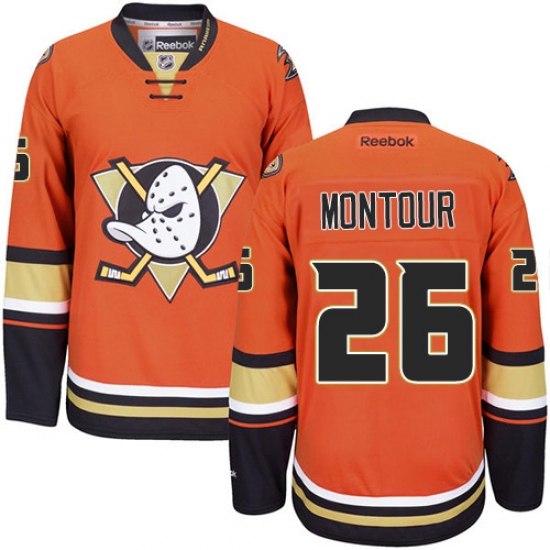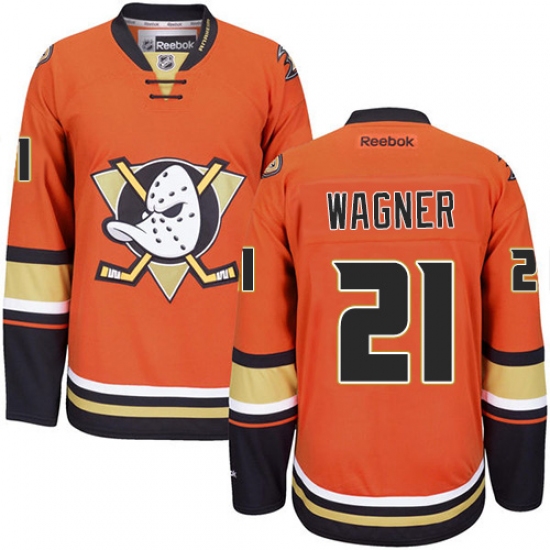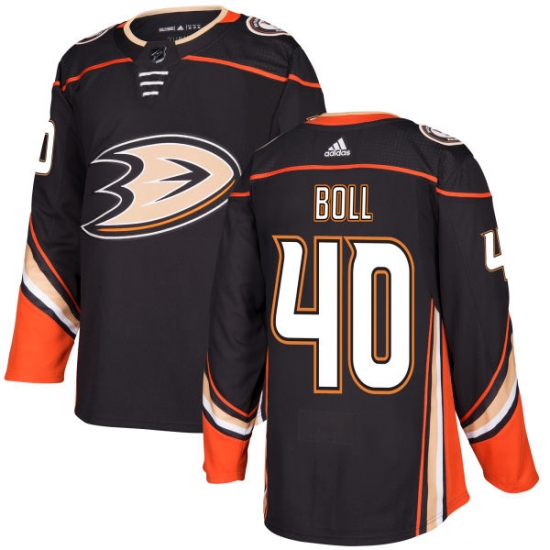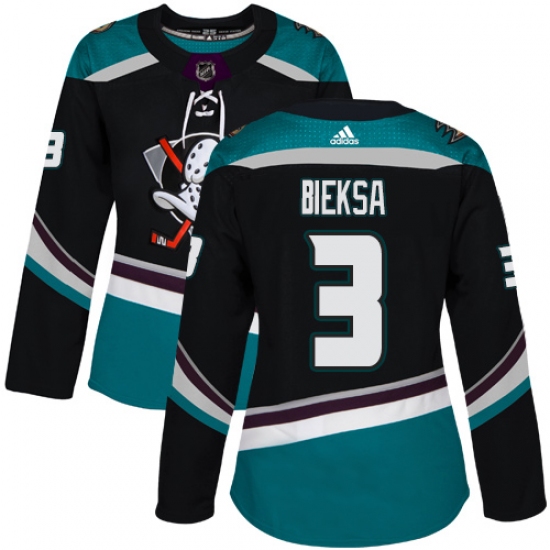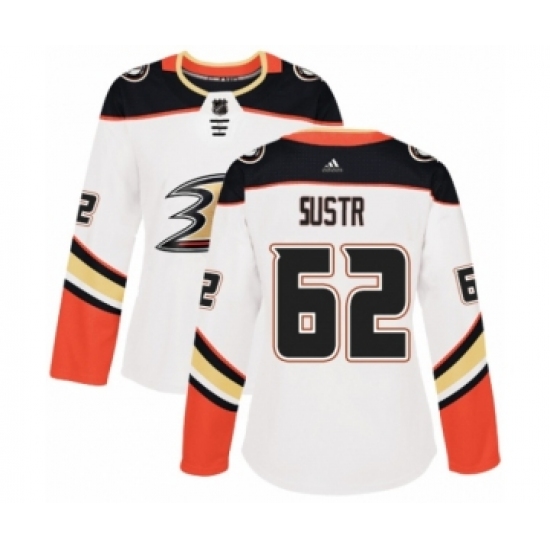
The stitched vs printed nfl jerseys question is not academic for a reseller; it decides mark-up, repeat orders, and complaint volume. If your current supplier charges too much, ships slow from overseas, or sends thin mesh with loose threads, the retail math stops working. This guide breaks down construction, bulk buying, and US stock tactics for B2B buyers who need sellable jerseys at a low landed cost.
Printed jerseys can look like a bargain at first quote. Then returns arrive: cracked numbers, peeling names, and a collar that rolls after two washes. Stitched jerseys cost a little more per unit, but they hold shape, survive team laundry, and support a higher retail price. For league managers and distributors, the lower return rate often matters more than the lowest invoice price.
Stitched NFL jerseys use separate twill or embroidered pieces sewn onto the body. The number edges are clean, the layers have depth, and the logo does not feel like a sticker. A proper double-stitched Tackle Twill number should sit flat, with dense thread and no puckering around corners. That construction changes how the jersey reads on a hanger and after repeated wear.
Printed jerseys apply graphics through heat transfer, screen print, or sublimation. Good print can be durable, but cheap print on thin fabric fails fast. The number surface may shine, crack along fold lines, or feel rubbery. Ask for a wash test sample before you commit a bulk order, especially if you sell to youth leagues and school programs.
Fabric is where many low quotes hide. For NFL-style resale, ask for 100% breathable polyester mesh, not a stiff knit with a mesh print. A 300 GSM heavyweight mesh gives the jersey body, holds stitching, and drapes correctly. Lighter 150–180 GSM mesh can work for fans, but it will not carry the same retail value or survive rough team use.
Look inside the jersey before you judge the outside. Soft interior backing behind the numbers prevents scratchy thread from digging into the chest. Reinforced collar bands keep the neckline from stretching into a wave. Z-style lock stitching at stress points, clean armhole seams, and even hem stitching separate a sellable jersey from a disposable one. This is the standard behind cheap stitched NFL jerseys that resellers can stand behind.
US warehouse stock removes the biggest cash-flow risk in jersey wholesale: the long overseas wait. When stock is already in the US, you can reorder after a playoff run, replace a short size, or fill a league deadline without air-freight math. Domestic dispatch also means fewer customs surprises and faster tracking for your own customers.
Wholesale price should improve as volume grows, but the program needs to be clear. Ask for a tier table with unit cost by quantity, customization fees, and turnaround times. A supplier that protects resale margin will show you landed cost, not just a headline price. Low MOQ helps you test teams and styles before you tie up cash in deep inventory.
Run a practical inspection on every bulk order. Open at least 10% of cartons, not just the top layer. Check stitching density, number alignment, collar recovery, and size consistency against the NFL jersey size chart. Pull one jersey from each size run and measure chest, length, and sleeve opening. Small variance is normal; wide swings will create returns.
- Stitch test: tug number edges and collar seams; no loose thread tails or skipped stitches.
- Alignment test: numbers centered, level, and spaced correctly from the collar to hem.
- Mesh test: hold fabric to light; airflow should be visible, hand feel should not be plastic.
- Size test: measure three pieces per size; flag any piece beyond your tolerance.
Size distribution is a profit issue, not a detail. Adult resellers often overbuy medium and underbuy XL and 2XL. League buyers need youth and adult blends that match roster sheets. Build a size curve from last season's sell-through, then use a small test order for new teams before you commit to a full run.
Custom football jerseys with names and numbers sell at a better margin than blank stock, but only when the lettering is clean. Ask for approved fonts, stitch or print options, and a digital proof. Confirm spelling twice, and set a clear policy for name bars, number layers, and special characters. The cost of one bad spelling run is higher than the customization fee.
Give buyers simple care instructions to reduce complaints. Wash stitched jerseys inside out in cold water, skip fabric softener, and hang dry when possible. Heat is the enemy of print and twill adhesive. For team laundry, avoid bleach and high dryer cycles. Good care keeps numbers from cracking and helps a cheap jersey feel premium for more seasons.
Low price is not proof of value. Thin mesh, glued numbers, and uneven collars often arrive from suppliers chasing the lowest quote. Ask for close-up photos of number edges, inside backing, collar seams, and size tags. A real wholesale partner will share production details because the goods can survive inspection. If a quote hides the fabric weight, assume it is light.
For B2B resellers, the right mix depends on channel. Fan shops need popular teams, throwback colors, and broad sizes. League managers need durable team sets with consistent color matching. Distributor buyers want fast-moving sizes and simple reorder codes. Do not load up on one style just because the unit price is low; inventory that sits is not cheap.
Plan around the NFL calendar, not after it. Preseason, playoffs, and draft weekends create short demand windows. US stock lets you place a second order when a team gets hot. Keep a baseline of core sizes and add custom names only when the order is confirmed. That rhythm protects cash and keeps shelves from going empty during the biggest selling weeks.
Use a short supplier checklist before you scale. Confirm fabric weight, stitch type, interior backing, collar construction, size chart, MOQ, tier pricing, US dispatch time, and return policy. Request a sample with a name and number if customization matters. A supplier that answers these points in writing is easier to reorder from when volume picks up.
Do not compare only the invoice total. Compare cost per sellable unit after returns, replacement shipping, and markdowns. A stitched jersey that arrives flat and clean can sell at full price; a printed one that cracks may need a discount. That difference is the real wholesale price.
Are stitched NFL jerseys always better for resale? Not always. Printed can work for low-price fan items if the print passes a wash test. For team use and higher retail prices, stitched Tackle Twill usually wins on durability and perceived value.
What should I ask before ordering bulk stitched jerseys? Ask for fabric weight, stitch density, interior backing, collar reinforcement, size chart, MOQ, and US dispatch time. Get close-up photos of number edges and collar seams.
How many jerseys should I order first? Start with a small test run across core sizes and two or three teams. Check sell-through and return reasons, then reorder winners. Low MOQ programs make this easier.
Can I customize names and numbers on wholesale orders? Yes, most programs offer names and numbers; confirm fonts, proof approval, and whether the work is stitched or printed. Spelling and number placement must be locked before production.
Ready to protect your margin with sellable stock instead of slow, risky imports? Review the full NFL catalog at Cheap Jerseys Wholesale US and check current US stock, tier pricing, and low MOQ options. The site is built for resellers who need fast domestic dispatch, consistent construction, and room to profit on every order. Visit www.cheapjerseyswholesaleus.com to compare styles and place your first bulk order.