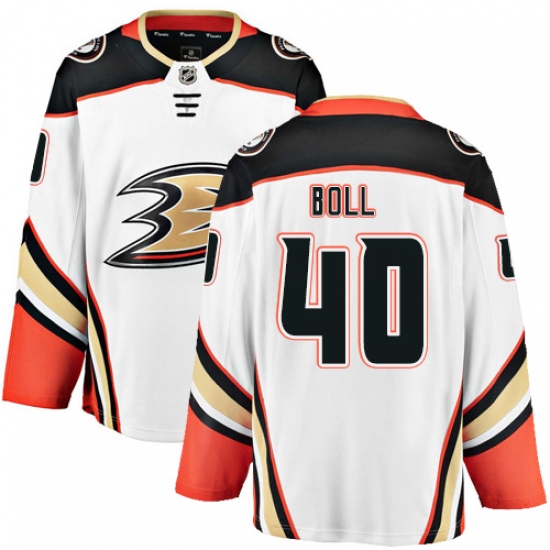
Knowing how to wash a hockey jersey correctly is one of the most overlooked profit levers in team apparel resale. Every buyer sourcing bulk stitched hockey uniforms needs a care protocol before the first shipment leaves the warehouse, because improper washing destroys embroidery, fades dye lots, and triggers replacement costs that eat straight into margin. The most common complaints we hear are predictable: numbers peeling after four washes, crests curling at the edges, and an entire team set looking washed-out before the season even ends. Heat is the silent killer, and it rarely shows up in a fabric spec sheet.
For B2B buyers, jersey care is not housekeeping. It is a return-rate problem. When a league manager's stitched uniforms fail in the wash, the blame lands on the supplier who sold them, not on the washing machine. A written care protocol handed over at delivery is one of the cheapest retention tools in wholesale apparel, and it separates professional distributors from box movers.
Start with what actually survives a wash cycle. The two specs that matter most are 100% breathable polyester mesh and stitched decoration. Polyester mesh resists shrinkage and holds color when washed cold, which is why serious hockey programs insist on it. Lightweight mesh in the 150–180 GSM range pills and stretches after a handful of cycles. A proper heavyweight construction in the 300 GSM range holds its shape through a full season of repeat washing.
The decoration is where most jerseys fail. Numbers and crests built with double-stitched Tackle Twill sit proud of the fabric without adhesive backing to peel, and the double stitch row stops edge curl. Single-stitched twill and heat-pressed vinyl are where the peeling complaints originate. At a low wholesale price, this is the single line item worth verifying on a sample before committing to a bulk order.
Collar and shoulder seams take the most stress during washing and drying. Look for reinforced collar bands with at least two rows of stitching and no exposed raw edges inside the neckline. A collar that sags after the first wash reads as cheap to the end buyer, no matter how good the rest of the jersey looks on the hanger.
Before you commit to any bulk order, wash one sample three to five times. Check for color bleed between the body and the trim, verify that no stitching has loosened at the number edges, and confirm the mesh has not gone limp. This five-minute test prevents a five-figure return. Ask your supplier directly whether their stock has been wash-tested at the factory, and get the answer in writing.
Inside the jersey, look for a soft interior backing behind every stitched number and crest. The backing does two jobs: it stops embroidery thread from scratching the wearer's skin, and it protects the stitch field from friction during the wash cycle. Jerseys built without it feel rough against the back and wear through faster at the shoulder blades.
The washing protocol itself is straightforward, and skipping any of these steps shortens jersey life considerably.
- Turn the jersey inside out before washing to protect the embroidered face of the numbers.
- Wash cold only. Hot water causes dye transfer between panels and shrinks polyester mesh over time.
- Use the gentle or delicate cycle with a low spin speed.
- Mild liquid detergent only. Skip fabric softener, which coats mesh fibers and cuts breathability.
- Never use bleach or chlorine on colored jerseys or on white jerseys with colored trim.
For bulk laundering, keep loads small and similar in color. Do not mix white and dark jerseys in one cycle, and do not overstuff a commercial machine with twenty stitched jerseys. Crowded drums cause abrasion at the crest edges and leave shoulders permanently creased. If your facility uses a top-load machine with a center agitator, use mesh laundry bags for individual jerseys.
Drying is where most damage happens. The dryer is the enemy of stitched decoration and mesh alike. High heat softens and shrinks polyester, and the tumbling action works against the twill edges until they lift. Air dry every jersey. Lay it flat on a clean drying rack or hang it on a wide plastic hanger, and keep it out of direct sun, which fades dyed mesh faster than any washing machine.
If a jersey must be ironed, turn it inside out and use the lowest synthetic setting with no steam. Never press the iron directly onto a stitched number or crest. A pressing cloth between the iron and the twill prevents the thread from flattening or scorching, and a scorched number cannot be repaired without re-stitching.
Treat stains before they set. Sweat, sports drink, and rink grime should get a short soak in cold water with a small amount of mild detergent before the regular cycle. Hot water sets protein-based stains and locks them into the mesh. For mud on white hockey socks or trim, work a soft brush gently over the area and rinse cold.
Give every team account a one-page care card with the jersey delivery. It costs almost nothing to print and cuts replacement requests sharply. Managers who know to wash cold, inside out, and air dry will get two to three seasons out of a set instead of one, and they will come back to the same wholesale source when it is time to expand the roster.
Sponsor and team branding deserves separate attention. Embroidered sponsor marks and player nameplates should be washed exactly like the crest: cold water, inside out, no dryer. If you are buying custom embroidered hockey team uniforms for a program with heavy sponsor obligations, confirm that every embroidered element uses the same backing and thread weight throughout. Mixed construction is where wash failures cluster.
Off-season storage matters too. Store stitched hockey jerseys folded rather than crammed onto wire hangers, which deform the shoulders over months. Keep them in a dry, climate-controlled space away from damp basement air, and add cedar blocks or silica packets to long-term storage bins to keep mildew and pests away from natural fiber trim.
After each wash, do a quick inspection pass. Trim any loose thread immediately rather than pulling it, since pulling unravels the lock stitch and opens the seam. Catch loose number edges early and have them re-stitched locally before they become a replacement claim. Small maintenance habits extend the working life of a stitched uniform by years.
Smart buyers plan replacement stock into every bulk order. Order five to ten percent extra jerseys per size run to cover damage, lost garments, and sizing exchanges without a second shipment. This protects the per-unit wholesale price you negotiated and keeps your retail margin intact when a single jersey fails.
When sourcing, ask for wash-survival documentation and request a pre-shipment sample from live stock, not a showroom piece. Suppliers who stand behind their construction will send one without hesitation. The NHL jersey collection at Cheap Jerseys Wholesale US is built around the specs covered here: heavyweight mesh, double-stitched twill, interior backing, and reinforced collars, all held in US stock for fast replenishment.
Turn care knowledge into margin. Stock best-selling team jerseys across a full size run, price them with a healthy retail spread, and use the wholesale savings to fund care accessories like mesh wash bags that customers genuinely value. A laundry bag plus a printed care card attached to a stitched jersey order is a low-cost way to reduce returns and build a reputation that brings league managers back season after season.
Frequently Asked Questions
Can I wash a stitched hockey jersey in hot water?
No. Hot water accelerates dye transfer between panels and softens polyester mesh, which leads to shrinkage and a limp drape. Always wash cold, inside out, on a gentle cycle.
How long does a stitched hockey jersey take to air dry?
Most heavyweight mesh jerseys dry in four to eight hours when laid flat in a ventilated room. Humidity and a thick interior backing extend that time. Never speed it up in a dryer.
What is the difference between stitched and printed hockey jerseys for care purposes?
Stitched twill numbers survive repeated washing far better than heat-pressed vinyl, but they need protection from abrasion and heat. Printed jerseys are more prone to cracking and peeling, especially after hot washes or dryer cycles.
How do I stop my hockey jersey numbers from fraying?
Wash inside out on cold, air dry, and trim loose threads rather than pulling them. Double-stitched Tackle Twill with a soft interior backing resists edge fray far better than single-stitched or glued decoration.
Ready to stock jerseys that hold up to a full season of washing? Browse the complete in-stock catalog at www.cheapjerseyswholesaleus.com, where low minimum order quantities, stepped bulk discounts, and fast US warehouse dispatch make it easy to protect your margin on every team order. Request a sample, run the wash test, and compare the construction against anything else on your supplier list.