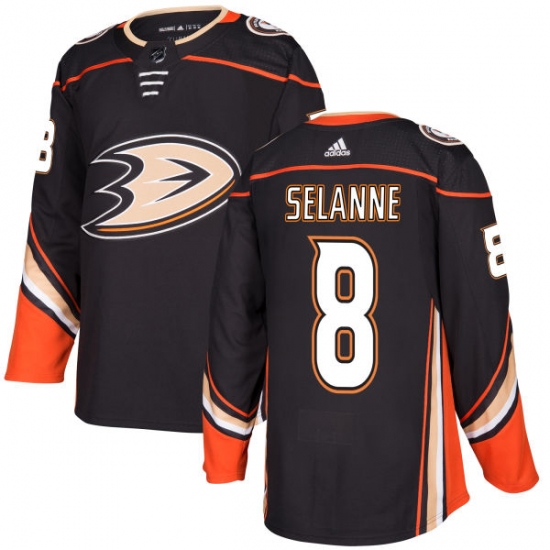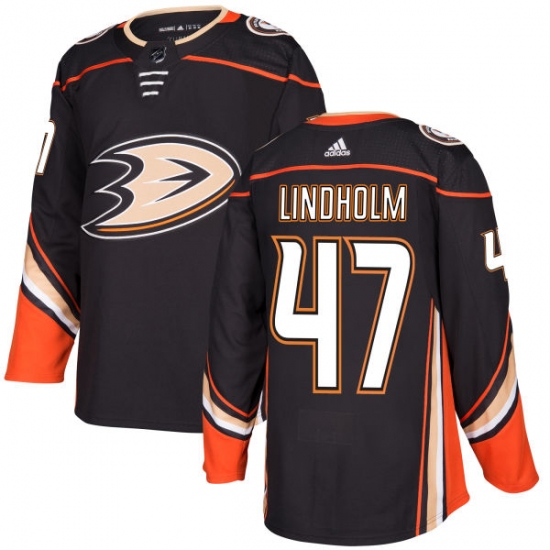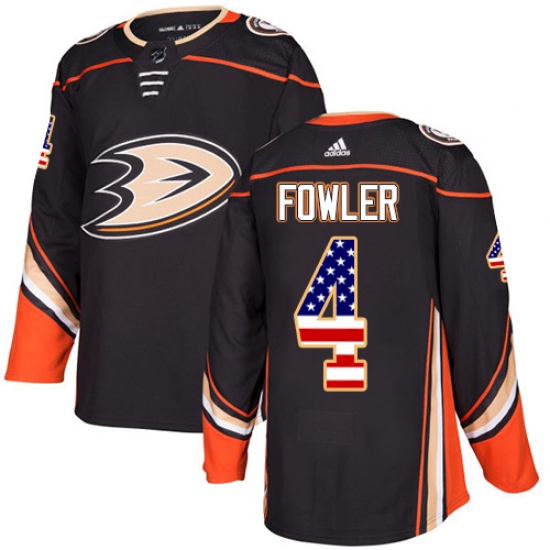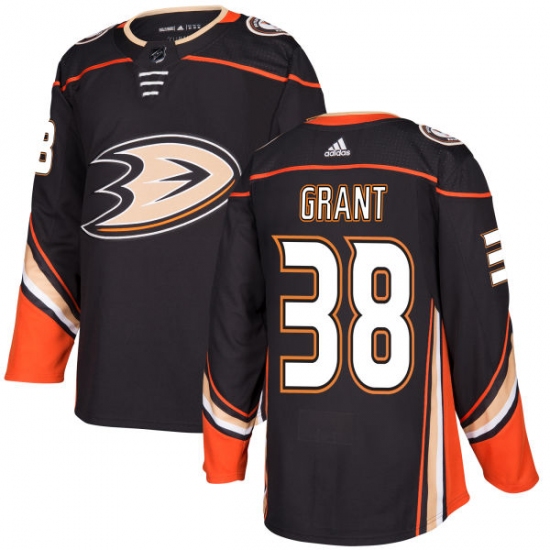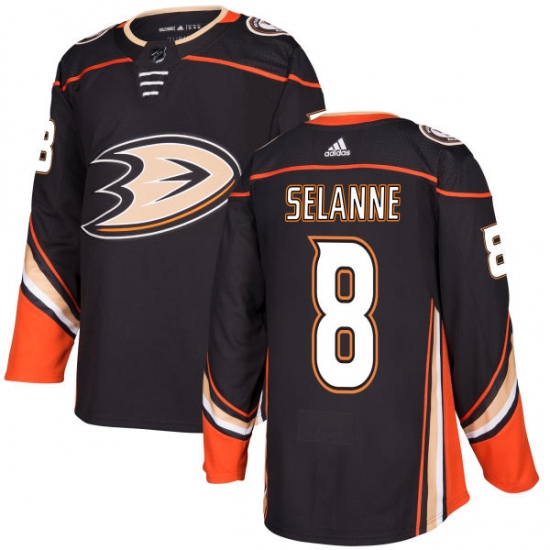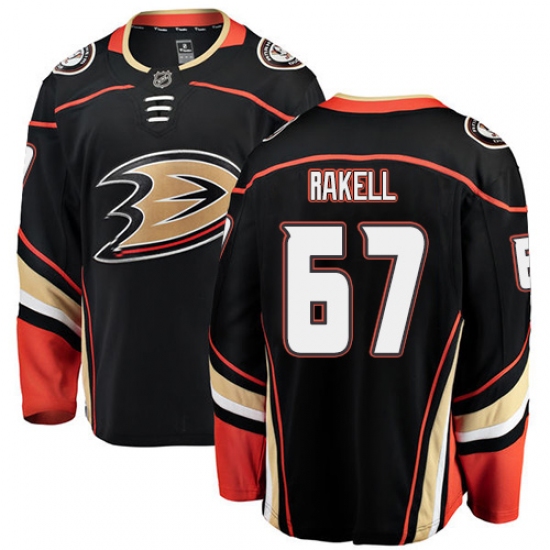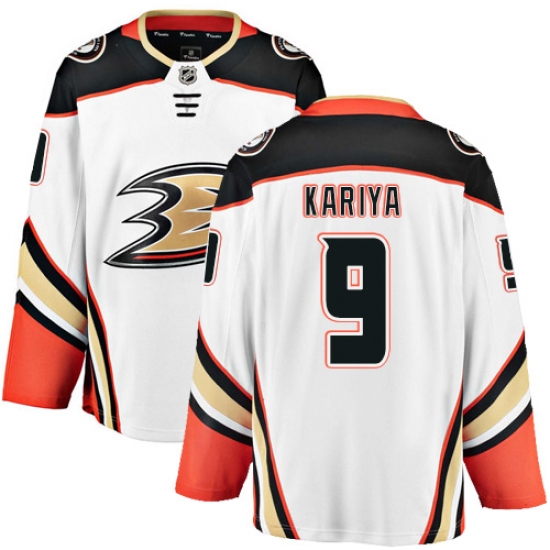
How much do NFL jerseys cost wholesale depends far less on the logo than on the mesh weight, stitch count, and where the goods physically sit when you order. Most buyers asking how much do NFL jerseys cost wholesale get three wildly different quotes for what looks like the same jersey, then discover the $14 unit has 180 GSM paper-thin mesh and heat-pressed numbers while the $27 unit is 300 GSM with double-stitched Tackle Twill. That gap is where retail profit either survives or gets eaten alive.
The other silent killer is freight. A container of jerseys that lands two weeks after Week 1 is dead inventory, and overseas direct shipping in Q3 routinely slips past your selling window. Domestic stock removes both problems: you buy at a landed price and it ships from a US warehouse in days, not months.
Here are realistic per-unit wholesale ranges for stitched NFL jerseys from US-held bulk stock. Treat these as planning numbers, not a quote sheet.
- 24–49 pieces: $29–$34 per unit
- 50–99 pieces: $26–$30 per unit
- 100–249 pieces: $23–$26 per unit
- 250–499 pieces: $20–$23 per unit
- 500+ pieces: $17–$20 per unit
- Youth sizing: typically $16–$21 per unit
Add $3–$5 per unit for custom names and numbers, and $2–$4 more if you need individual poly bags with size stickers and hang tags for retail display. Screen-printed replicas sit lower at $12–$16, but they do not carry the same resale price and they crack along the numbers after a dozen washes.
Four things move the price more than anything else. Fabric weight, twill quality, stitch density, and packaging. A 300 GSM jersey uses roughly 40% more yarn than a 180 GSM jersey, and you feel the difference the moment you pick it up. Buyers who skip the fabric question always end up reordering.
The mesh itself should be 100% breathable polyester mesh with a two-way airflow structure, not a flat knit that traps heat. Grab a shoulder seam and pull — quality mesh springs back and shows a clean perforation pattern under light. Cheap mesh goes shiny and stretches into a permanent hump.
Numbers and nameplates should be double-stitched Tackle Twill: two layers of dense poly-twill, cut cleanly, zigzag locked at every corner. Single-layer twill with a single run of stitching looks acceptable on a hanger and falls apart after five laundry cycles. Check the twill weight too — 3.2 oz is the working standard for pro-style builds.
Inside the jersey, look for soft interior backing over the embroidery zone. Good suppliers cover the stitch tail with a tricot or brushed patch so the number does not scratch the customer's shoulder blade. This is the detail that separates a jersey someone wears once from one they wear every Sunday.
Collar and shoulder seams need reinforced collar bands — 2x2 rib knit with a lock stitch at the neckline and a taped seam running shoulder to shoulder. A flat-locked collar that rolls after two washes is the number one complaint in league uniform programs, and it is completely avoidable at this price point.
Stitch density is your fastest quality test in a warehouse. Count the stitches per inch on a number border: 8 to 10 SPI is production-standard, anything under 7 is a corner cut. Also examine stress points — armhole, side vent, and the bottom hem — for a Z-stitch reinforcement. Missing Z-stitch means the hem will split at the first hard pull.
If you want a live snapshot of how much do NFL jerseys cost wholesale across every tier and size run, the current US stock catalog lists unit pricing by quantity break so you can build a margin sheet before you ever contact a rep.
Run the landed cost math before you fall in love with a unit price. Domestic stock means no ocean freight, no customs broker fee, and no 30–45 day cash float. Freight inside the US runs roughly $1.50–$2.50 per unit on a bulk pallet, so a $23 jersey lands near $25 and still sells at $85–$110 retail. That is a 70%+ gross margin, which is the number you should actually be negotiating against.
Set a real inspection standard on incoming bulk. Use AQL 2.5 for major defects and a 4-point fabric check across a 10% random pull. Measure chest, body length, and sleeve with a ±0.5 inch tolerance, verify every size tag against the packing list, and pull-test each stitched number to roughly 15 lbs. Log the failures by SKU so your next reorder is sharper than this one.
Mix sizes inside the MOQ instead of buying one run. A 48-piece order weighted 8/14/14/8/4 across S through 2XL moves faster than 48 mediums, and most US bulk suppliers will split boxes at no extra charge. Low minimums of 12–24 pieces are common on stocked styles — save the full custom order for your proven sellers.
Know the size chart before you promise anything to a league buyer. Adult chest measurements run S 34–36, M 38–40, L 42–44, XL 46–48, 2XL 50–52, 3XL 54–56, with youth at S 8, M 10–12, L 14–16, XL 18–20. Football jerseys are cut to layer over pads, so a customer who wears a large t-shirt usually wants a medium jersey. Publish the chart, and returns drop.
Care instructions protect your own resale value. Tell buyers to wash cold, inside out, on a gentle cycle with like colors, skip fabric softener entirely, and hang dry. No dryer sheets near twill, no bleach, and never iron directly on stitched numbers — press from the reverse side through a cloth on low heat. A stitched jersey cared for this way holds its shape for years.
Time your restock against the calendar, not against your feelings. Demand climbs from late July through September, spikes again around the holidays, and settles in February. Carry 60% of your season buy in stock by mid-August, and keep a reorder buffer for the two or three teams that catch fire after a hot start. Domestic warehouse turnover means you can refill in days while competitors wait on a boat.
Do stitched jerseys really cost more than printed ones? Yes, usually $6–$10 per unit at the same volume. The labor on double-stitched Tackle Twill is the reason, and the resale premium is larger than the cost gap.
What is the lowest MOQ for custom names and numbers? Most US bulk programs start custom work around 24–48 pieces per style. Plain stocked jerseys are available lower, often 12 pieces with mixed sizing.
How fast do bulk orders ship from a US warehouse? Stocked styles typically leave within 24–72 hours and arrive in 2–5 business days by ground. Custom stitched runs generally need 7–14 business days before dispatch.
How do I verify quality before placing a large order? Order a 12–24 piece sample run. Cut one jersey open at the side seam, count stitches per inch, check the interior backing, and wash one piece three times. If it passes, scale up.
Ready to price your season buy against real domestic stock instead of a slow overseas quote? Go to Cheap Jerseys Wholesale US to browse the full live catalog at www.cheapjerseyswholesaleus.com, where tiered bulk discounts start at low minimums, 300 GSM mesh and double-stitched twill are standard rather than upgrades, and US-based fulfillment gets your boxes moving in days so you never miss a kickoff window.