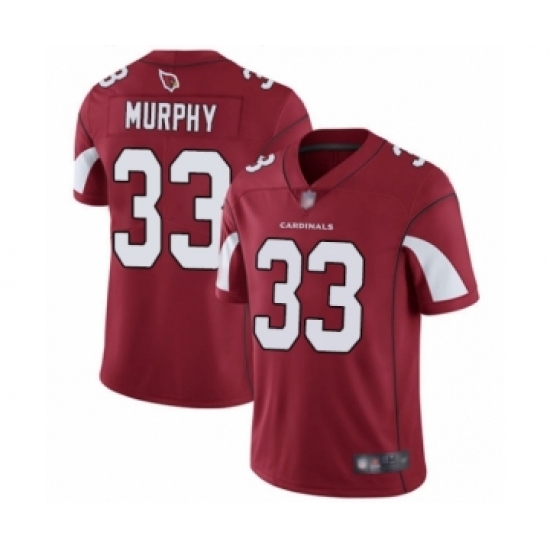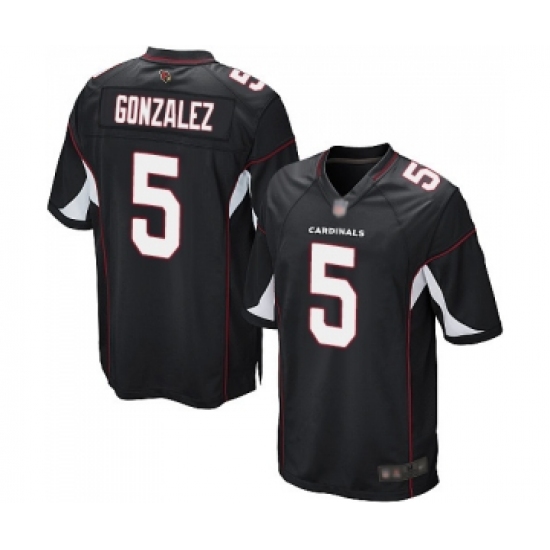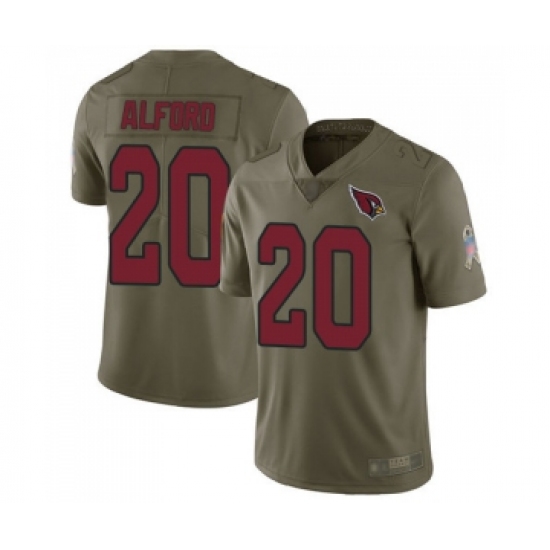
Sourcing dallas cowboys jerseys wholesale should not force a reseller to choose between margin and quality. Whether you run a team store, a league concession, or an online reseller account, the real cost of cheap stock shows up later in returns, chargebacks, and missed game-day windows.
Most buyers start with the unit price and stop there. That is a mistake. A jersey that costs two dollars less but arrives with loose threads, thin mesh, and crooked numbers will cost you far more in customer service and lost repeat business.
The US wholesale model works best when stock is already on the ground. Waiting on overseas production through a full season is a margin killer. By the time a container clears customs, the playoff run is over and your customers have moved on to the next drop.
A US-based bulk supplier shortens that cycle. The good ones hold core sizes, core colors, and core team styles in domestic warehouses, then dispatch within 24 to 48 hours. That means reorders during a hot streak do not turn into a four-week gamble.
Fabric is the first place low-end suppliers cut corners. A serious wholesale jersey should use 100% breathable polyester mesh in the 280 to 300 GSM range. That weight gives the jersey structure, hides print bleed, and holds shape after repeated wash cycles.
Lightweight 180 to 220 GSM mesh feels fine on the hanger. On the field, it clings, stretches at the shoulder, and shows every wrinkle. For resellers, that translates into size complaints and returns from league buyers who need uniforms to survive a full season.
Stitching is the second checkpoint. Look for double-stitched Tackle Twill numbers with tight, consistent row spacing. The number should sit flat, with no bubbling at the edges and no visible glue residue underneath.
Cheap heat-pressed or single-stitched numbers crack, peel, and lift after a few washes. A proper Tackle Twill build uses layered twill and reinforced zigzag stitching at stress points. That is the difference between a costume jersey and a team uniform.
Comfort details matter more than most buyers realize. A soft interior backing behind the numbers prevents scratchy thread ends from rubbing against the skin. Reinforced collar bands keep the neckline from stretching into a wave after repeated pull-overs.
Check the shoulder seams, armhole binding, and hem stitching as well. A good factory uses consistent thread tension and trims loose ends before packing. If you see skipped stitches or long thread tails inside the jersey, the QC process is weak.
Before placing a bulk order, run a small inspection on random units from the carton. Use a simple checklist that any team buyer or reseller can repeat:
- Mesh weight: confirm the hand feel matches the approved sample, not a lighter substitute.
- Stitch density: count stitches per inch on the twill border; loose spacing means early lifting.
- Number alignment: lay the jersey flat and check centering, spacing, and shoulder symmetry.
- Collar recovery: stretch the neckline gently and confirm it snaps back without waviness.
- Color match: compare team colors against the approved swatch under daylight.
- Seam strength: tug the side seam and armhole binding; they should not pull open.
For resellers, the second half of the equation is US local availability. A domestic supplier can mix sizes, hold back stock for reorders, and ship small restocks without forcing you into another full production run. That flexibility protects cash flow during unpredictable demand.
Ask about tiered pricing before you commit. A real wholesale program should publish clear price breaks by quantity, not force every buyer into a single flat rate. You want to see discount tiers for 25, 50, 100, and 250 units, plus mixed-size cartons that do not carry a hidden surcharge.
Low MOQ matters for test orders. League managers often need a small set for a new team, while resellers want to test a style before scaling. A supplier that can support low minimums and still offer bulk pricing is far more useful than one that only talks in container volumes.
Size accuracy is another quiet profit killer. Always work from a measured size chart, not just S, M, L, XL labels. Compare chest width, body length, and sleeve opening against a jersey your buyers already wear. Youth sizes need separate checks because a “youth large” can run close to an adult small in some factories.
If you are building a team order, request a sample set in the exact sizes you plan to sell. Measure the sample, wash it once, and compare the measurements again. A jersey that shrinks a full size after one wash will create returns no matter how good the stitch work looks on arrival.
Customization adds value but slows delivery if the supplier is not set up for it. Names, numbers, sleeve patches, and team logos should be quoted with a clear turnaround. Keep a stock of blank jerseys for fast fulfillment, and route custom work through a separate production schedule.
Trademarked team marks need care. If you sell branded NFL styles, confirm your licensing and supplier authorization. If you are selling custom team uniforms or blank performance jerseys, keep the branding generic and focus on fit, fabric, and stitching.
Care instructions should go on every product page and packing slip. Tell buyers to wash inside out in cold water, skip bleach and fabric softener, and hang dry. Direct ironing on Tackle Twill will melt the adhesive and flatten the stitch texture.
For stitched football jerseys, a mesh laundry bag reduces abrasion against zippers and Velcro. If a number edge starts to lift, a tailor can re-stitch it before it spreads. That simple service keeps a team uniform in rotation and protects your reseller reputation.
When comparing suppliers, ask for current stock depth by size. A low price means little if every carton is missing XL and XXL. The best wholesale partners show live inventory, confirm dispatch windows, and offer a clear reorder path for core styles.
Quality checks should happen before the goods leave the warehouse, not after your customer opens the box. Request a pre-shipment photo set for large orders: front, back, number close-up, collar, and inside backing. That five-photo habit catches most problems early.
Price breaks, US stock, and strict QC are the three levers that protect reseller margin. If one is missing, the cheap unit price is usually an illusion. Build your buying decision around landed cost, reorder speed, and return rate, not just the first quote.
For buyers who want a domestic source with real bulk pricing, wholesale Dallas Cowboys jerseys and other NFL styles can be checked against these standards before you commit. Request the size chart, confirm the mesh weight, and inspect the stitching on a sample first.
Q: What is the typical MOQ for wholesale NFL jerseys? A: It depends on the supplier and whether you need stock styles or custom work. Many programs support low minimums for stock jerseys and higher minimums for custom names and numbers. Always confirm mixed-size carton rules before ordering.
Q: How fast can US stock ship for a bulk order? A: A domestic warehouse can usually dispatch in-stock jerseys within 24 to 48 hours. Ground delivery then depends on destination, but most US buyers see 3 to 5 business days for standard freight. Custom orders need a separate production window.
Q: How do I check jersey quality before a large order? A: Order a sample or a small test carton. Measure the chest and body length, inspect the Tackle Twill stitching, stretch the collar, check the interior backing, and wash one jersey according to the care label. Compare the results against your retail standard.
Q: Can I mix sizes and styles in one bulk order? A: Many wholesale programs allow mixed-size cartons within the same style. Mixed styles may carry different price tiers or minimums. Ask for a written breakdown of size runs, price breaks, and any carton fees before you approve the order.
Ready to protect your margin with US-held stock and clear bulk pricing? Visit www.cheapjerseyswholesaleus.com to view the full NFL catalog, compare tier discounts, and confirm low-MOQ options. The program is built for resellers, league managers, and team buyers who need fast dispatch, strict stitching standards, and room to profit on every carton. Start with a sample, check the build, then scale with Cheap Jerseys Wholesale US.