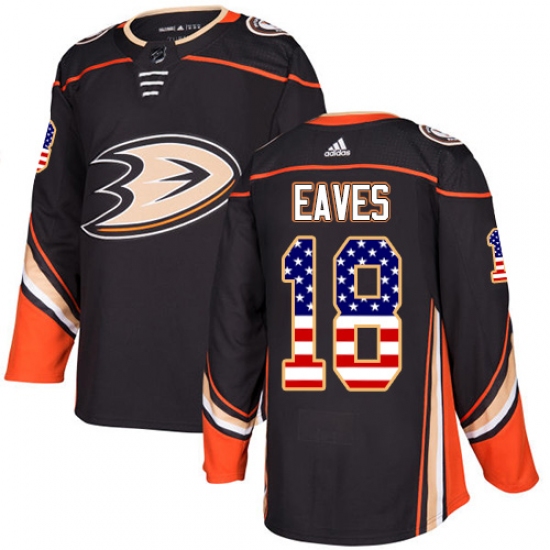
If you are learning how to spot a fake NFL jersey, you are really learning how to protect your margin. A counterfeit lot or a low-tier supplier both win the photo and lose the wash test, and the reseller holding 200 units eats every return. I have inspected enough containers and US warehouse pallets to say this plainly: the difference shows up in fabric weight, stitch density, and finishing — never in the listing image.
Fakes are cheap to copy on the surface. A printed logo and a team color scheme take ten minutes to replicate. What counterfeiters skip is exactly what costs real money: 300 GSM heavyweight mesh, double-stitched Tackle Twill numbers, and a soft interior backing that keeps twill off bare skin.
Here is the benchmark I hand to every new QC hire before they open a carton. If a jersey fails two or more of these, the lot goes back.
- Body fabric: 100% breathable polyester mesh, 300 GSM heavyweight — not 150–180 GSM budget knit that goes see-through under light
- Numbers and nameplate: double-stitched Tackle Twill, layer-on-layer, not single-pass heat press
- Interior finish: soft backing behind every stitched twill piece so the threads never scratch
- Collar: reinforced collar band with double-needle topstitch that holds shape after 20 washes
- Stress seams: Z-stitch reinforcement at armholes, shoulders, and side vents
- Tags: consistent woven jock tag, correct size tag, no glued or misaligned label
Weigh the jersey. A stitched adult NFL jersey in a legit heavyweight mesh build lands between 320 and 400 grams depending on size. Fakes typically come in under 250 grams because the mill ran a lighter yarn. Feel the mesh holes too — real mesh has a clean diamond structure that stays open. Cheap knit fuzzes over after one wash and traps heat.
Flip the jersey inside out. This is where counterfeits give themselves up instantly. Real production covers the back of every twill number with a soft interior backing. Fakes leave raw zigzag stitching exposed against the skin, which is the number one complaint that triggers a retail return.
Check the number edges for puckering. A properly set Tackle Twill number sits flat with even thread tension on all four sides. If the twill ripples or the stitch line wanders off the edge, the operator ran the machine too fast — and that same factory will cut corners on the next run too.
Pull the collar. Ribbed, reinforced collar bands snap back into shape. Counterfeit collars stretch out into a wavy neckline after three washes, and once the neckline is gone the jersey is unsellable at any price.
Do a color check under daylight, not warehouse fluorescent lighting. Team navy, royal, and scarlet are the three colors counterfeiters miss most often. If you are buying wholesale, ask for a pantone reference on the primary team color and compare a physical sample against it before you commit to a full run.
Look at the shield and any embroidered patch. Genuine stitched emblems have depth — the embroidery sits raised above the fabric with clean satin borders. Flat, glued, or single-color emblems are the fastest tell in the business.
Size consistency matters as much as build quality when you are moving bulk. Request the supplier's NFL jersey size chart with chest, body length, and sleeve measurements and check a sample across S through 3XL. A tolerance of plus or minus one inch is normal. Anything wider and your customers will return half of the order.
Stick to the size chart on your own product page instead of relabeling. Resellers who publish accurate measurements see return rates under 4 percent. Resellers who guess see 15 percent or higher, and that wipes out the margin on the entire lot.
Now the cost question. Stitched NFL jerseys in a heavyweight mesh build typically land between $18 and $32 per unit wholesale depending on tier, quantity, and whether you are buying domestic stock or importing direct. Below $15, you are almost certainly looking at printed numbers on light knit, regardless of what the photo claims.
Watch the MOQ structure. Serious suppliers run tiered pricing that drops the unit cost at 25, 50, 100, and 250 pieces, with low entry MOQs so a league manager or a small store can start without tying up capital. If a vendor demands 500 units before showing you a price break, you are funding their inventory, not yours.
Domestic US stock changes the math more than most buyers realize. Ocean freight takes 25 to 40 days plus customs clearance, and a delayed container that arrives two weeks after the season opener is dead stock. US warehouse inventory ships in 1 to 3 business days, which means you can restock mid-season on a Thursday and sell that weekend. That is why bulk buyers sourcing cheap jerseys wholesale US stitched NFL jerseys generally beat importers on total landed cost, even at a slightly higher unit price.
Run a real inspection protocol on every incoming lot. Pull a 10 percent sample, do a 15-pound pull test on the shoulder seams, wash three units five times in cold water, and check colorfastness against a white towel. Any lot that fails the wash test will fail in your customer's hands, not in your warehouse.
Use AQL 2.5 for major defects — stray threads longer than a quarter inch, misaligned numbers, uneven hems, and color drift. Minor defects like light thread trimming can be accepted at AQL 4.0. Document every inspection with photos and unit counts. That record is what gets you credit on the next order.
Train your customers on care and your returns drop again. Cold water, inside out, gentle cycle, no bleach, and hang dry. Never put a stitched jersey in a hot dryer — heat is what cracks twill and curls the backing. If a number does wrinkle, press it from the inside with a cloth barrier, never directly on the twill face.
Retail math for stitched NFL jerseys is straightforward. Buy at $18 to $26, sell at $59 to $89, and you are running a 2.5x to 3.5x markup with room to discount a slow size and still stay profitable. Printed jerseys at $12 wholesale can only sell for $35 to $45 in most markets, which is a thinner spread and a higher return rate.
Keep your size curve realistic. Adult size runs for NFL jerseys typically break down as roughly 10 percent S, 20 percent M, 30 percent L, 25 percent XL, and 15 percent split between 2XL and 3XL. Youth sizes sell strongest in leagues and school programs, and they carry the same per-unit margin without the sizing complaints.
Ask three questions before you sign with any supplier. Can you ship from a US warehouse this week? Can you send a physical sample of the exact build before a bulk run? What is your defect credit policy? A supplier who answers all three clearly is a supplier you can scale with.
Q: How much should a stitched NFL jersey cost wholesale?
Expect $18 to $32 per unit for a true heavyweight mesh build with double-stitched Tackle Twill. Anything under $15 is almost always printed numbers on light knit.
Q: How do I tell a stitched jersey from a printed one?
Look at the inside of the number. Stitched twill has visible thread lines and a backing layer. Printed numbers are flat, sit flush against the fabric, and have no backing.
Q: What is the minimum order for wholesale NFL jerseys?
Many US-stock suppliers start as low as 10 to 25 pieces per style, with tiered price breaks at higher volumes. Low entry MOQs let small buyers test a style before committing.
Q: How long does US warehouse shipping take?
Most domestic wholesale orders pick and ship within 1 to 3 business days, with transit of 2 to 5 days depending on the destination zone.
Stop gambling on lots you cannot inspect. Open the live stock sheet at Cheap Jerseys Wholesale US, pull current tier pricing on stitched NFL inventory, and see the size curve before you commit. Low MOQ entry, volume discounts that hold at every tier, and US-warehouse dispatch that keeps your rack full through the whole season — that is the difference between buying jerseys and building a business.