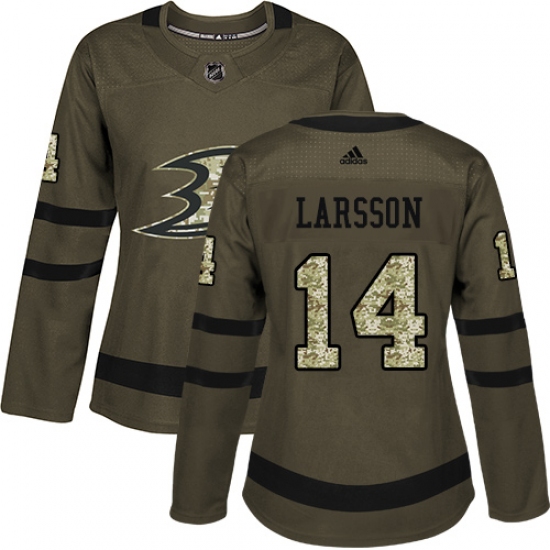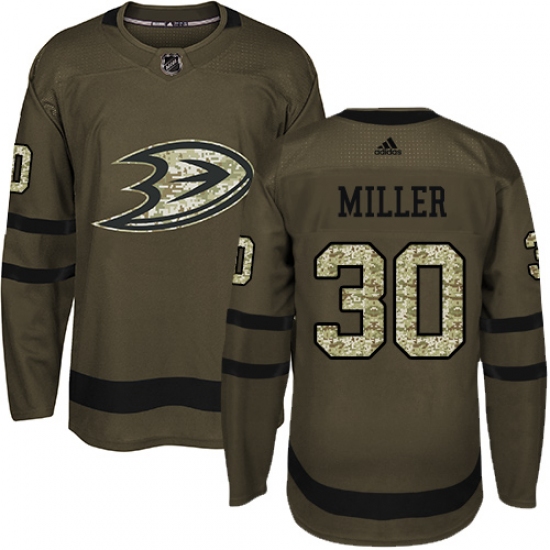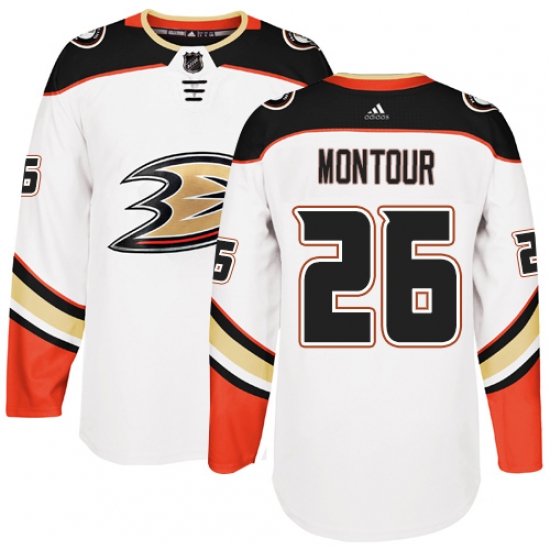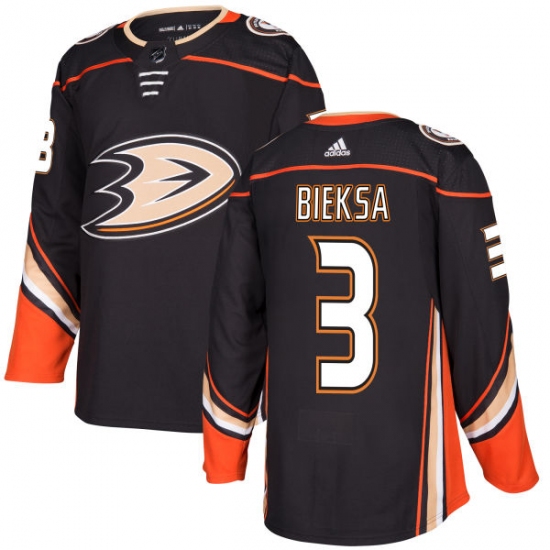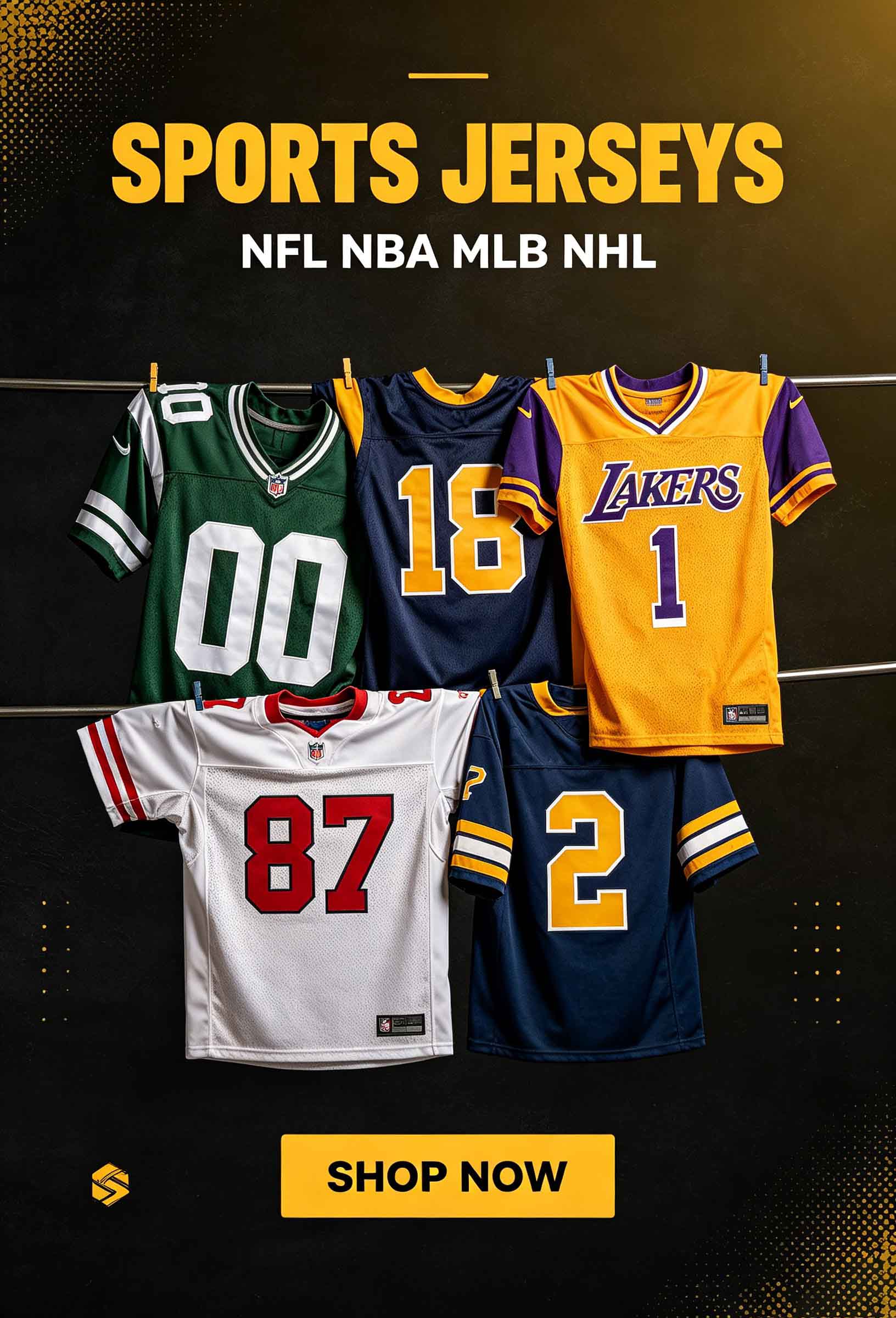
If you are building a purchase order and need a straight answer on how much do NFL jerseys cost wholesale, the honest range is $12.50 to $26 per unit depending on stitch work, fabric weight, and tier depth. That spread is wide because the market is flooded with two very different products at the same quoted price. Buyers who chase the lowest number on a supplier spreadsheet usually end up with 150 GSM polyester, glued numbers peeling off after one wash, and a freight bill that eats whatever margin looked good on paper.
The real cost problem for resellers and league buyers is not finding cheap jerseys, it is finding cheap jerseys that survive a full season of wear.
Here is what actual US wholesale pricing looks like on stitched NFL jerseys right now, based on domestic stock programs rather than overseas pre-orders:
- 10–49 units: $22–$26 per jersey (single team, mixed sizes allowed)
- 50–99 units: $18–$21 per jersey
- 100–299 units: $15–$17 per jersey
- 300+ units: $12.50–$14 per jersey
- Youth sizing: typically $2–$4 less than adult per unit
- Custom name and number add-on: $1.50–$3 per jersey depending on volume
Those numbers apply to 300 GSM heavyweight mesh with sewn tackle twill. Screen-printed replicas run $3–$5 cheaper per unit, but they crack, fade, and cannot be sold at a premium price point. If you are selling to fans, the stitched version is the product that generates repeat orders.
Fabric weight is the single biggest driver of unit cost. A 300 GSM 100% breathable polyester mesh body holds shape, resists snagging, and reads as a legitimate game jersey in hand. A 150–180 GSM body feels thin, clings, and shows every wrinkle straight out of the poly bag. The weight difference costs the factory roughly $2 per unit and costs you the entire resale value of the jersey.
Stitch work is the second driver. Double-stitched Tackle Twill numbers with clean edges require more machine time, more thread, and a skilled operator. On a properly built jersey you should see 8–10 stitches per inch, no wandering outlines, and no loose thread tails on the interior. Numbers should align within 1/8 inch across the chest and shoulders.
Construction details that separate wholesale-grade from bargain-bin grade:
- Soft interior backing behind all embroidery so numbers do not scratch the chest
- Reinforced collar bands with double needle stitching to stop stretching at the neckline
- Z-stitch bar tacks at stress points on the shoulder and side seams
- Lockstitch side seams with clean overlock finishing, no raw edges
- Pre-shrunk fabric so a size L stays a size L after ten washes
This is where domestic stock programs win. Buyers sourcing cheap jerseys wholesale US stitched NFL jerseys from a US-warehoused supplier can request a physical sample in 2–3 days and inspect the mesh weight, the backing, and the collar band before committing to a 300-piece order.
Run a real inspection on incoming bulk. Pull 10% of the carton, not the top three jerseys. Check number placement with a tape measure, flex every collar band, turn each jersey inside out and look for skipped stitches and glue residue, and wash one sample in cold water before you ship anything to a customer. A simple AQL 2.5 sampling plan catches almost every defect batch before it costs you refunds.
Watch for the classic counterfeit tells when a price looks too good: numbers that are heat-pressed instead of sewn, a single row of stitching on the twill edge, jock tag printing that smears, and shoulder seams that pucker after one wash. Any supplier quoting $8–$10 for a "stitched" jersey is selling a printed or glued product with a sewn outline.
Size runs matter for margin. Stock a full S–3XL curve plus a youth S–XL block; adult XL and 2XL move fastest in team and fan orders, while youth sizes drive league and school accounts. Ask every supplier for their actual measured chest width and body length in inches per size, not just a letter chart, because sizing varies by 1–2 inches between factories.
Minimum order quantity is negotiable in ways most buyers never test. A distributor holding live US stock can often break a case at 10–12 units per team, while custom name-and-number runs usually start at 25–50 units. Mix teams inside a single tier to hit the next price break without overstocking one design.
Freight is where overseas sourcing quietly destroys margin. A container pre-order placed in August lands in October and misses the entire early season buying window. Domestic warehouse fulfillment ships in 2–5 business days with no customs clearance, no duty surprises, and no 45-day cash lockup on inventory you cannot sell yet.
Run the margin math on a typical reseller order of 100 stitched jerseys at $16 landed:
- Cost: $1,600 total ($16 per unit)
- Fan resale at $45–$55: $4,500–$5,500 gross
- League fundraising at $60–$70: $6,000–$7,000 gross
- Flea market and event pricing at $35–$40: still roughly 2x cost
That math only holds if the jersey survives the season. Protect the numbers with a simple care routine you can print on a card for every buyer: wash cold, inside out, mild detergent, no fabric softener, no dryer heat, hang dry. Heat is what cracks twill and shrinks mesh, not water.
Custom name and number programs are the highest-margin add-on you can sell. Collect the roster in a locked spreadsheet with exact spelling, number, and size per player, confirm it back in writing, and order 2–3 blanks per team as replacements for misspellings and late additions. Standard turnaround on domestic custom runs is 7–12 business days, which still beats any overseas timeline.
Plan reorders before you need them. Youth medium and adult large are always the first sizes to sell out in a playoff run, and restocking mid-season from a US warehouse is what keeps accounts from switching suppliers. Ask about net terms and standing tier pricing once you clear 300 units per quarter.
Ready to price out a real order? Browse the full live inventory at shop the full NFL jersey catalog at www.cheapjerseyswholesaleus.com, where tier pricing starts at 10 units, stitched construction is standard, and domestic stock ships in days rather than months. Request a sample, confirm your size curve, and lock your per-unit pricing before the next season rush.
Are wholesale NFL jerseys stitched or printed at these prices?
Both exist in the market, but the pricing above covers sewn tackle twill numbers and letters on 300 GSM mesh. Printed replicas should cost $3–$5 less per unit, and any supplier charging stitched prices for a printed body is misrepresenting the product.
What is the minimum order for custom names and numbers?
Most domestic programs start custom runs at 25–50 units per design. Blank stock orders can often be broken at 10–12 units per team, and mixing teams inside one tier is a common way to reach the next price break.
How long does shipping take for bulk orders?
In-stock domestic orders typically leave the warehouse in 2–5 business days. Custom stitched runs take 7–12 business days depending on roster size and queue position during peak season.
How do I keep stitched numbers from cracking?
Wash cold and inside out, skip fabric softener, and never put a stitched jersey in a hot dryer. Hang drying preserves the twill edge and stops the mesh body from shrinking out of size.